

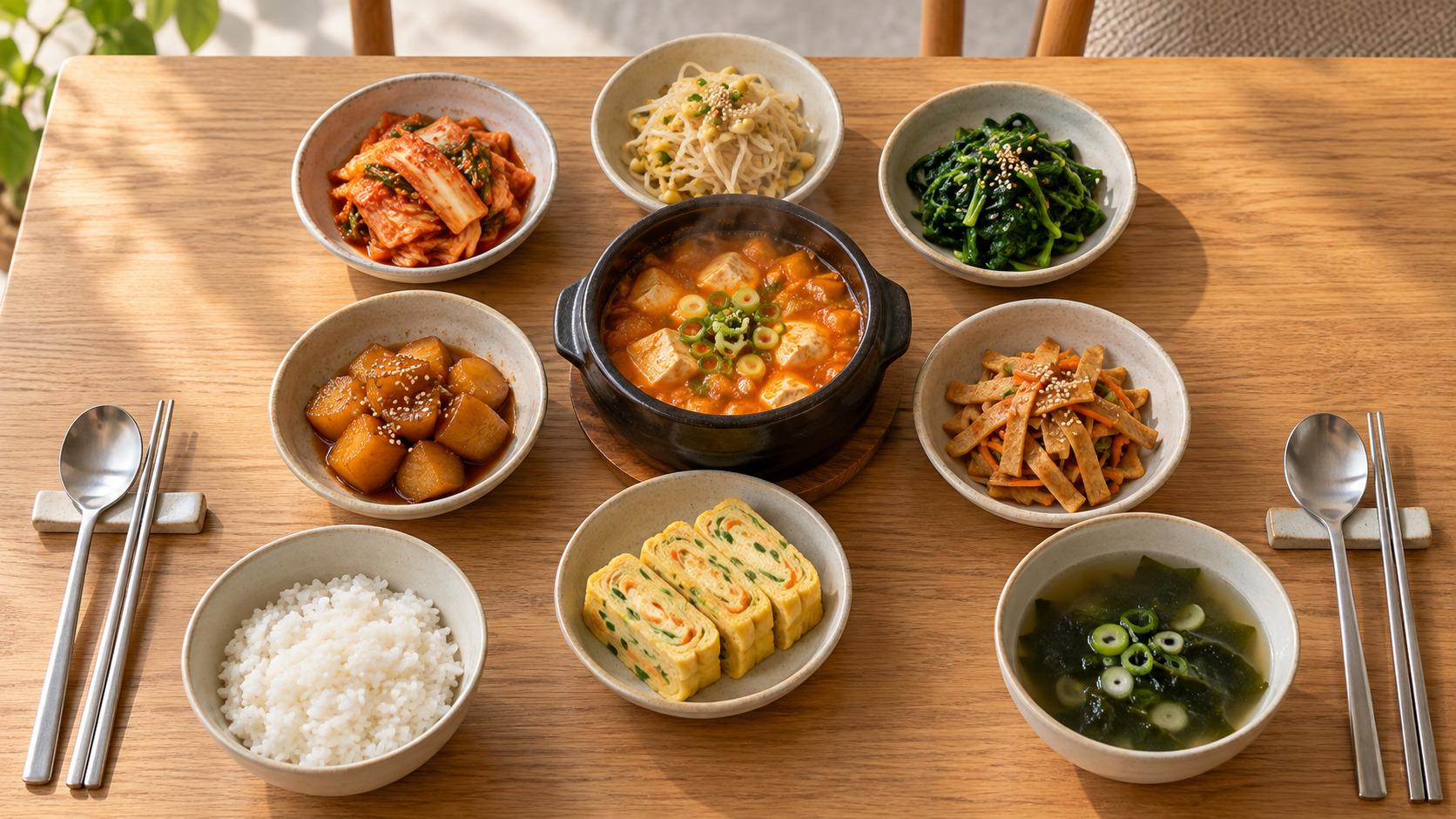
What Is Banchan? The Small Shared Dishes That Make a Korean Meal
Banchan are the small shared dishes served with rice, soup and a main dish at a Korean meal. Learn how they work at home and in restaurants, what common names mean and what to check before you eat.
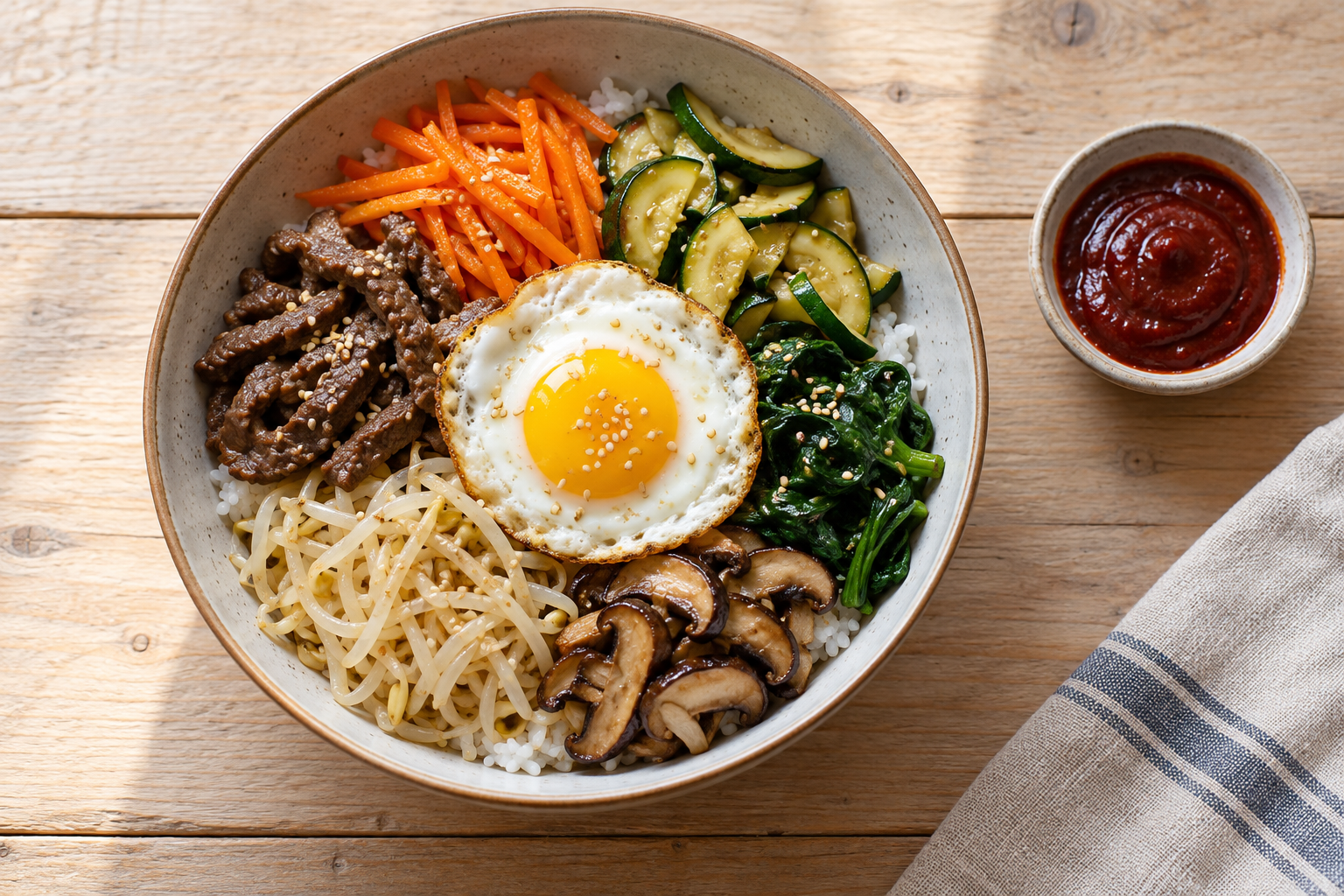
Bibimbap Ingredients: How to Build a Bowl From What You Have
A practical guide to bibimbap ingredients: which vegetables, proteins, and sauces to use, what must be cooked, easy U.S. grocery swaps, and how to build vegan or non-vegan bowls from what you already have.
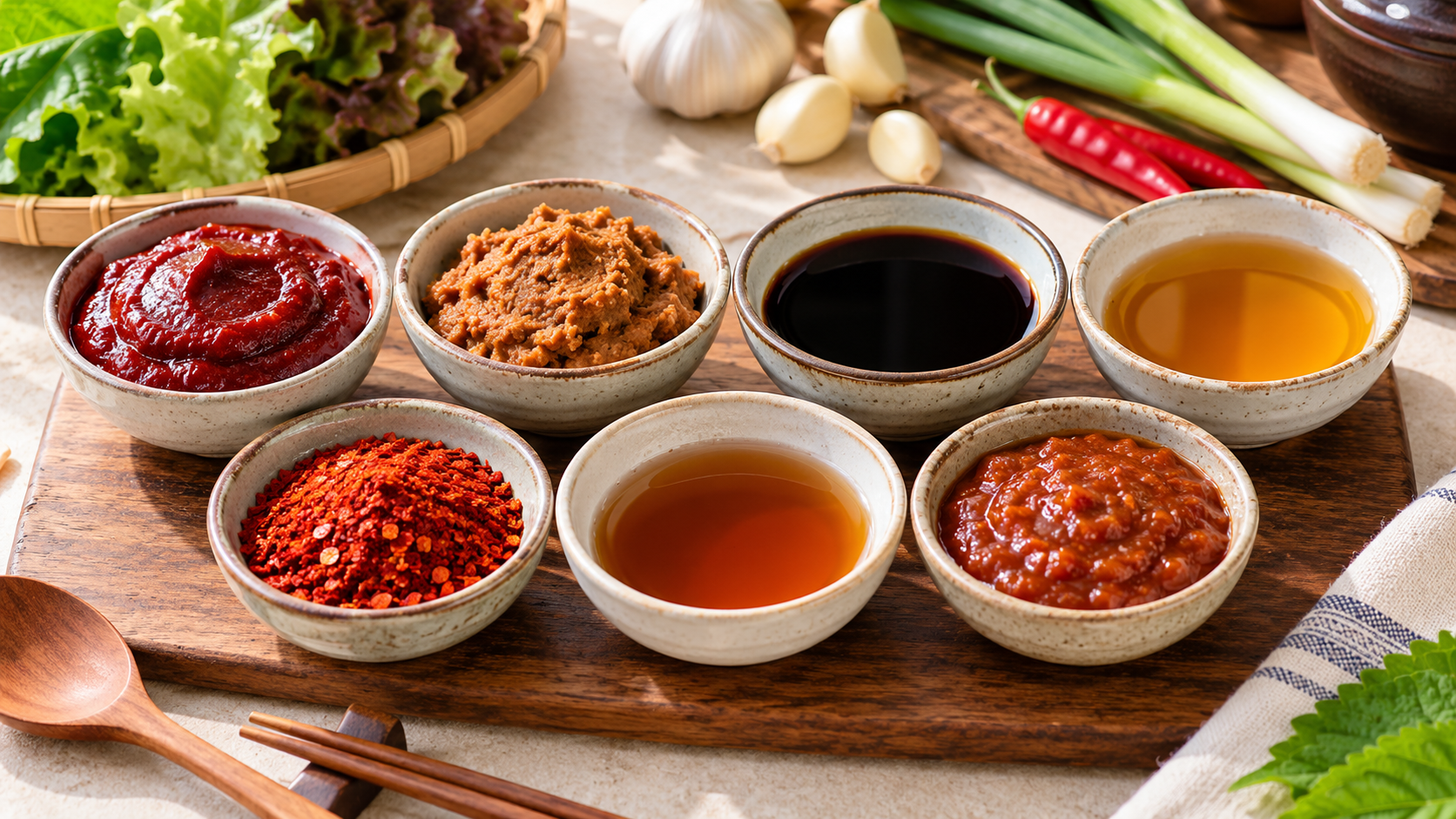
Korean Food Condiments: 7 Essential Sauces and Seasonings for Beginners
Korean food condiments start with seven staples. Learn how gochujang, doenjang, soy sauce, and four more taste, how spicy each one is, which dishes they belong in, and what to buy first.
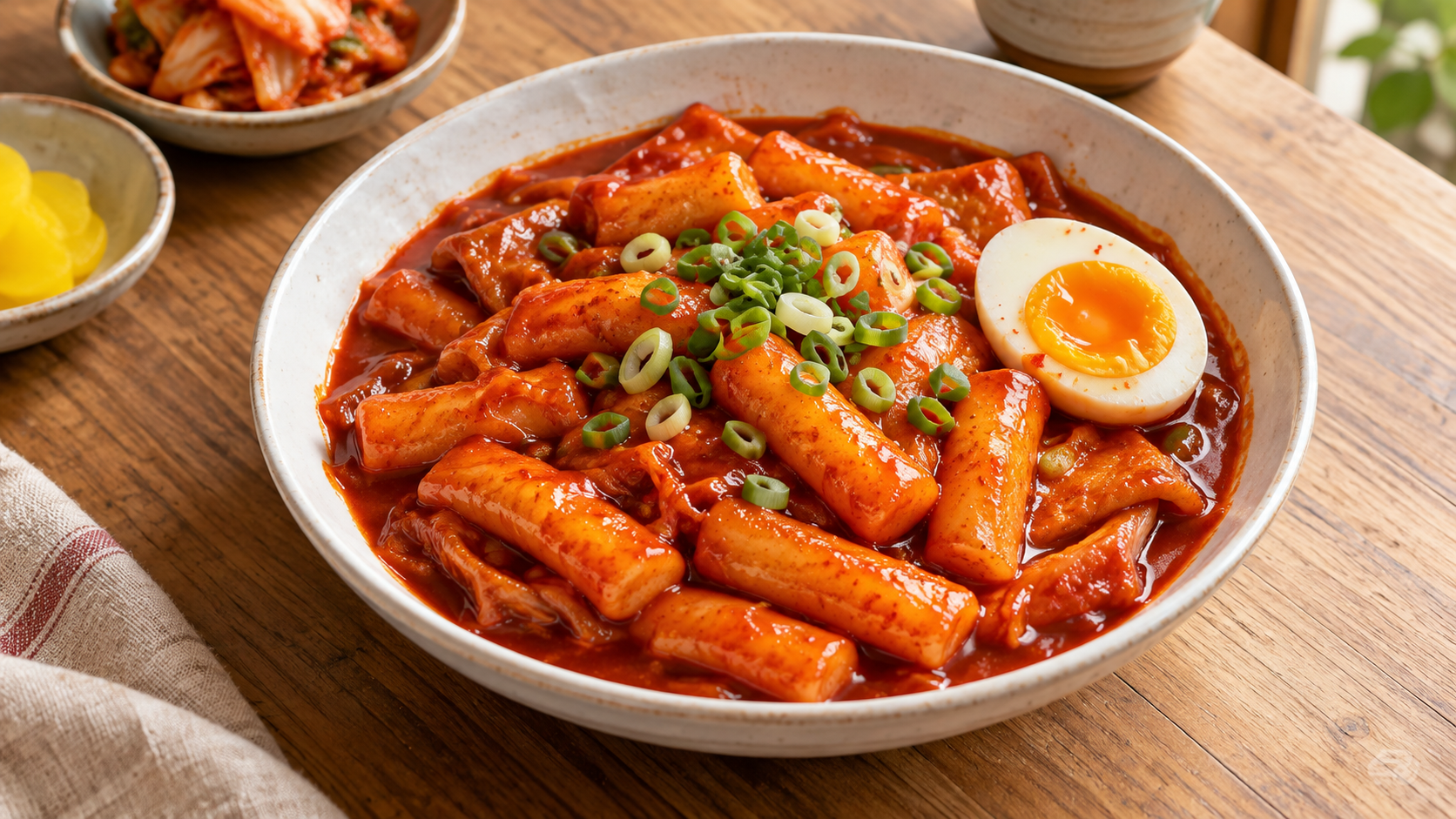
Is Tteokbokki Gluten Free? What to Check Before You Eat It
Tteokbokki may or may not be gluten free. Learn what to check in the rice cakes, gochujang, soy sauce, fish cakes, packaged kits, and restaurant preparation
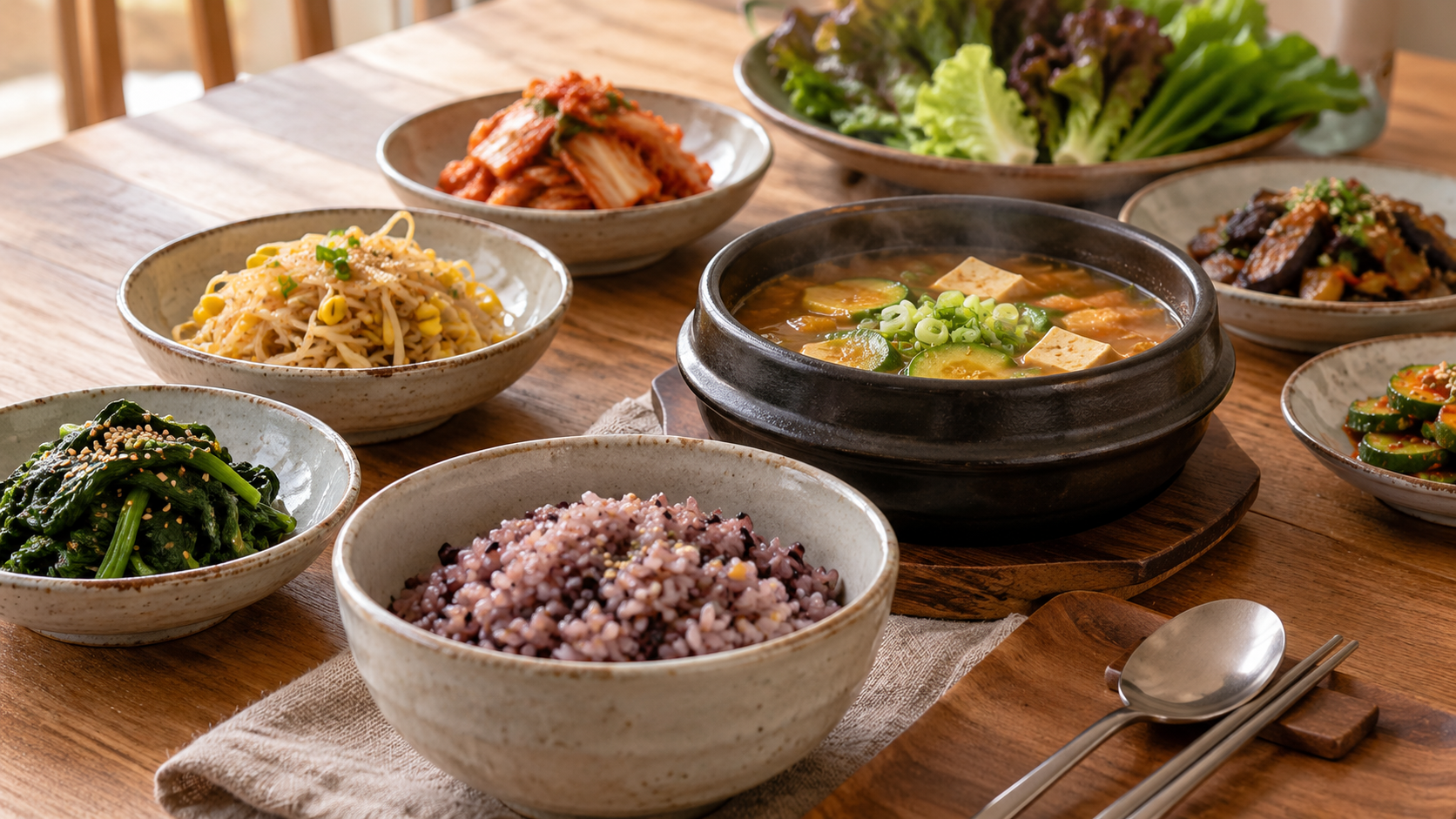
High-Fiber Korean Recipes: 8 Dishes to Try at Home
Looking for high-fiber recipes beyond lentils and oats? These 8 Korean dishes, from mixed-grain rice and spinach banchan to cold soybean noodles, build everyday meals from grains, beans, and vegetables.
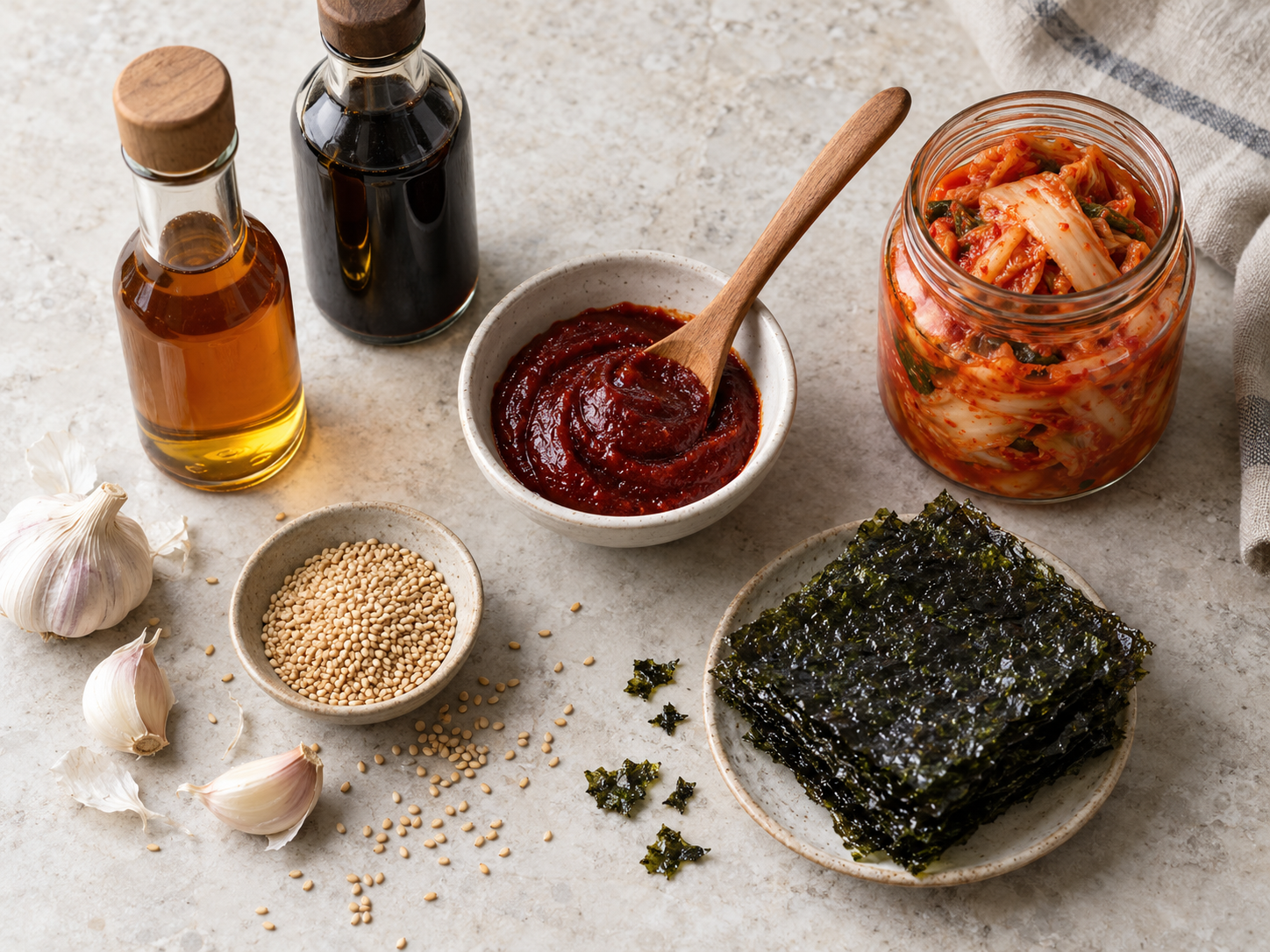
Easy Healthy Dinner Recipes: How Koreans Build a Simple Weeknight Meal
A Korean weeknight dinner is less a recipe than a structure: rice, one protein, a vegetable or two, and a few pantry staples that do the seasoning for you. Here is how to put one together on a Tuesday.
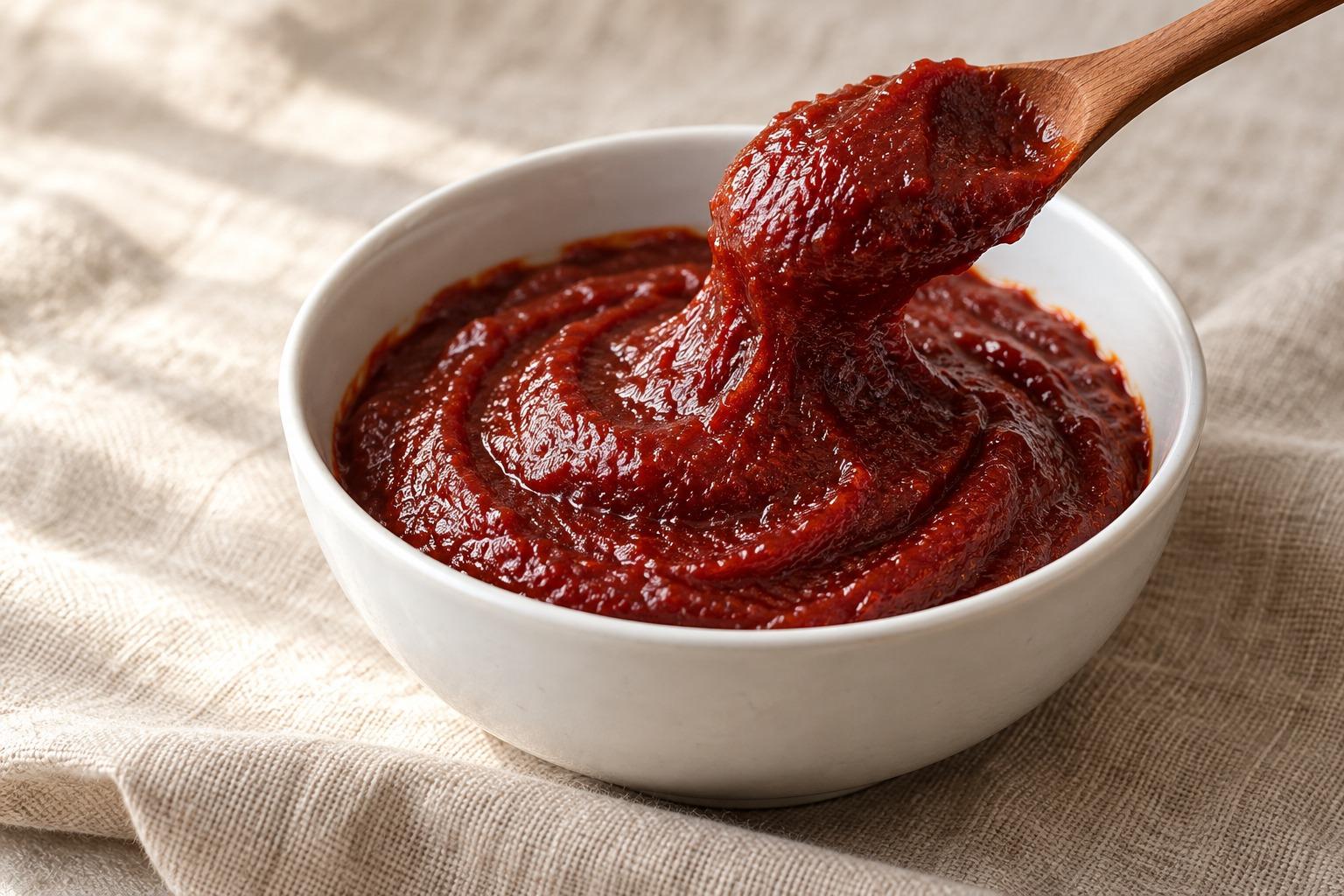
What Does Gochujang Taste Like? A Guide to Its Sweet, Savory Heat
Gochujang is a thick Korean fermented chili paste with savory, salty, mildly sweet, and spicy notes. Learn how it compares with sriracha, miso, and hot sauce, plus what to check before buying.
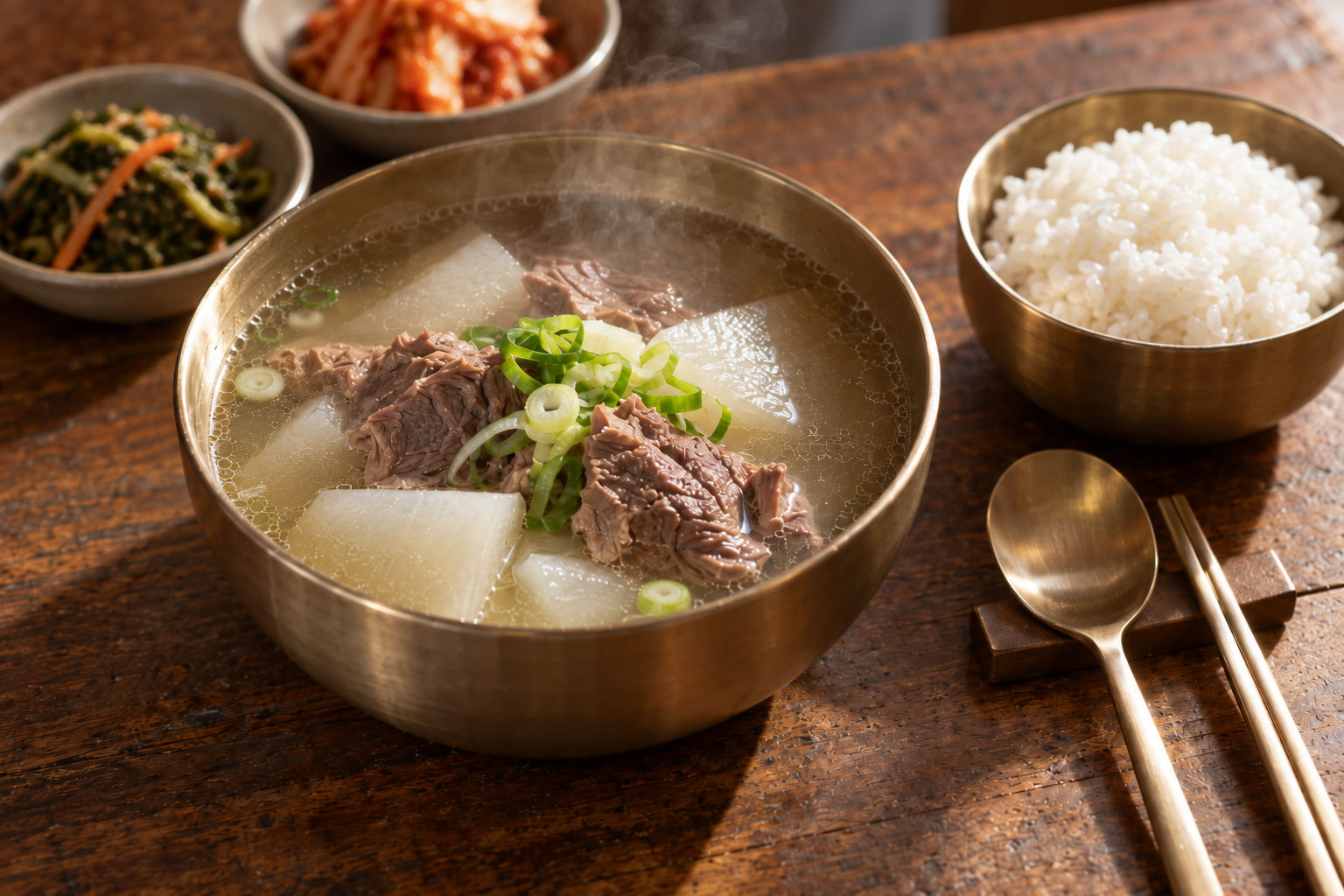
Korean Comfort Food Isn't One Dish. It Depends on the Day.
There is a technique in Korean soup shops called toryeom (토렴), and I think about it more than is reasonable. The cook puts cooled rice in a bowl, ladles hot broth over it, pours the broth back into the pot, and repeats that four or five times until the rice comes up to temperature. That is the entire method. It exists because rice used to be made once a day in one big pot, so it could not stay hot, and soup was how you brought cold food back to warm.
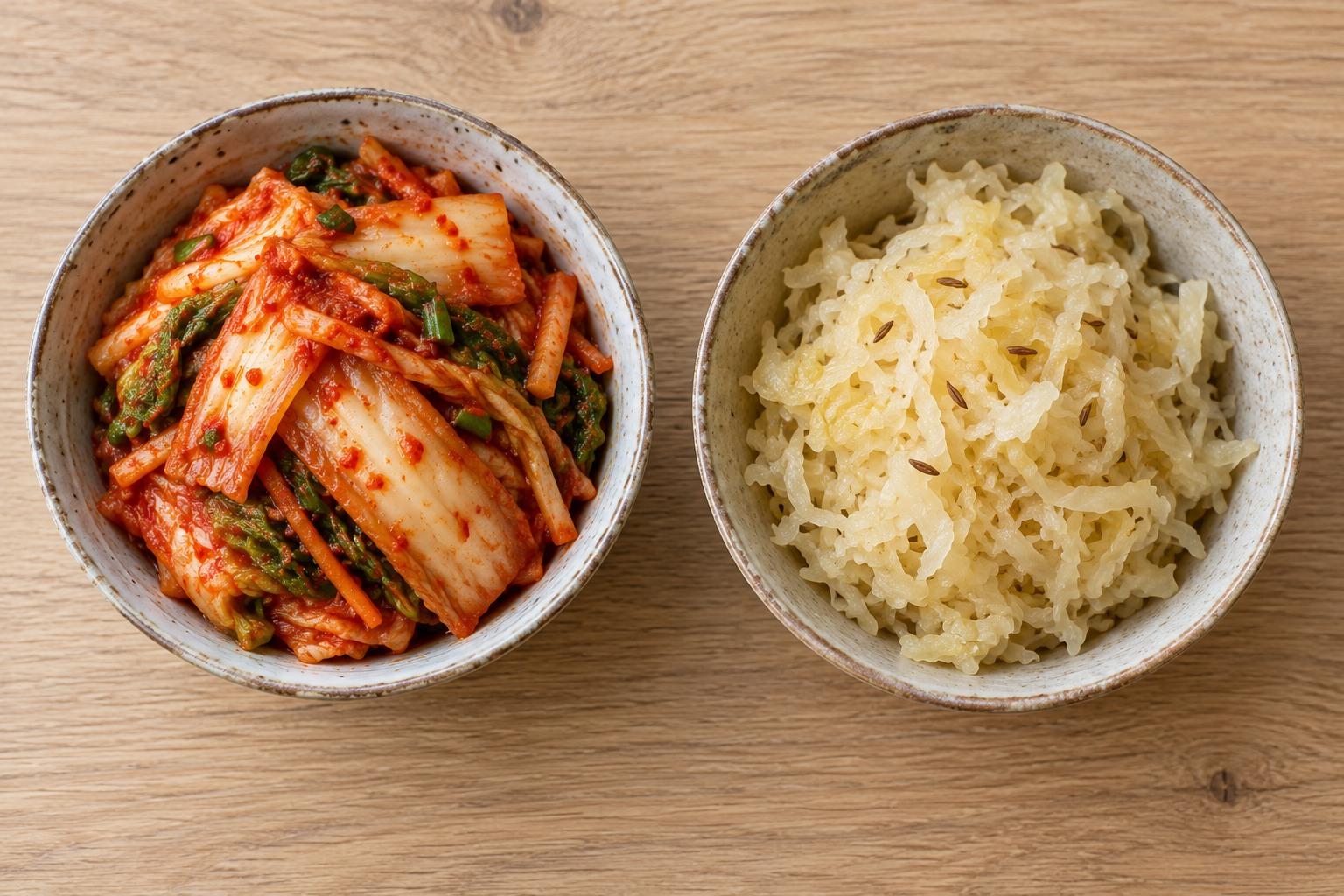
Kimchi vs Sauerkraut: Taste, Ingredients, and Live Cultures
Compare kimchi and sauerkraut by ingredients, flavor, texture, and uses, then learn what labels reveal about vegan options, live cultures, and sodium.
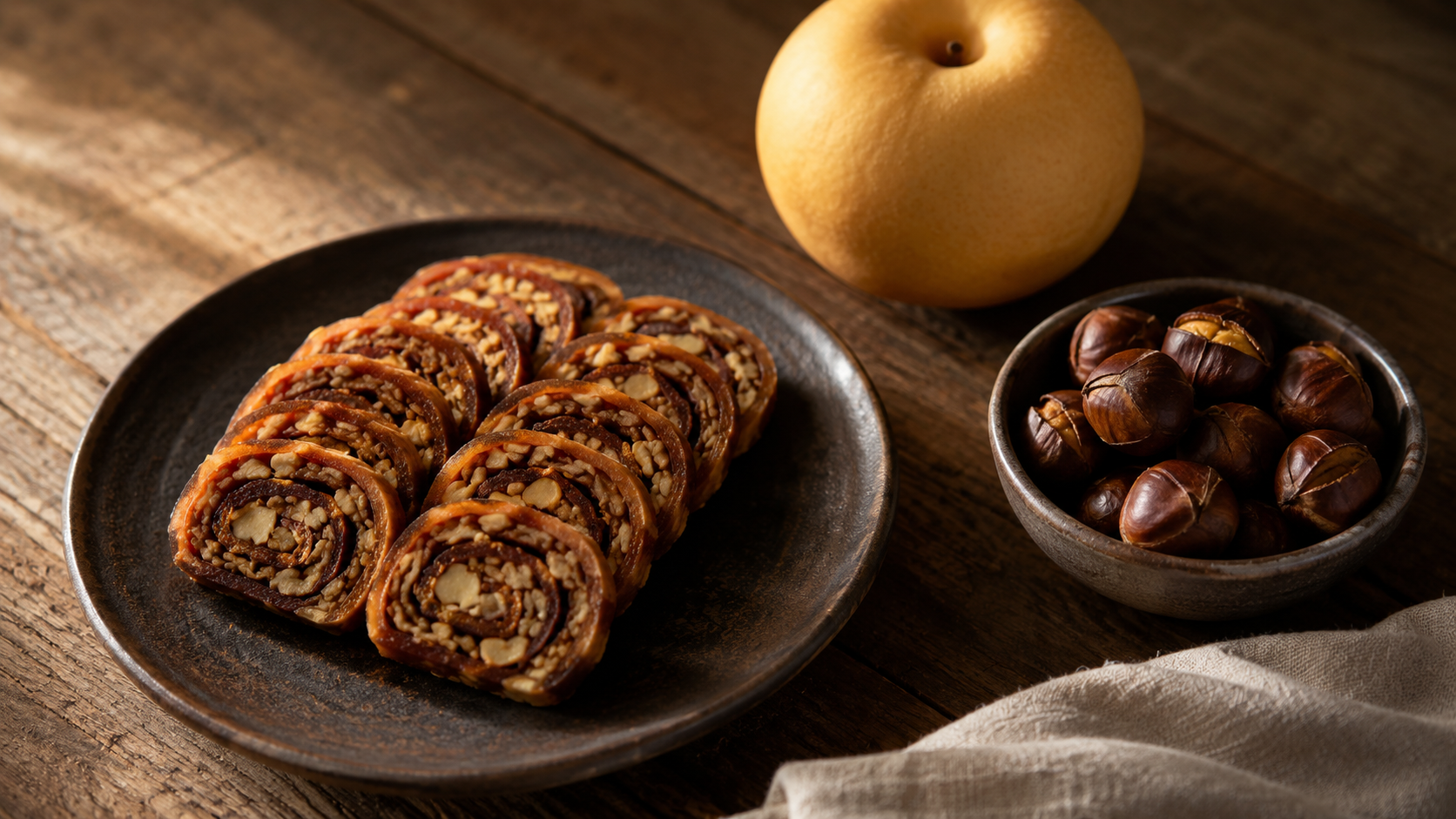
Beyond Pumpkin Pie: 5 Korean Thanksgiving Dessert Ideas for This Fall
Every November the internet produces another few hundred lists of desserts that supposedly break from tradition. Open one. It is pumpkin, in a bar. Open the next. It is pecan, in a cookie. The pan changes. The pantry never does.
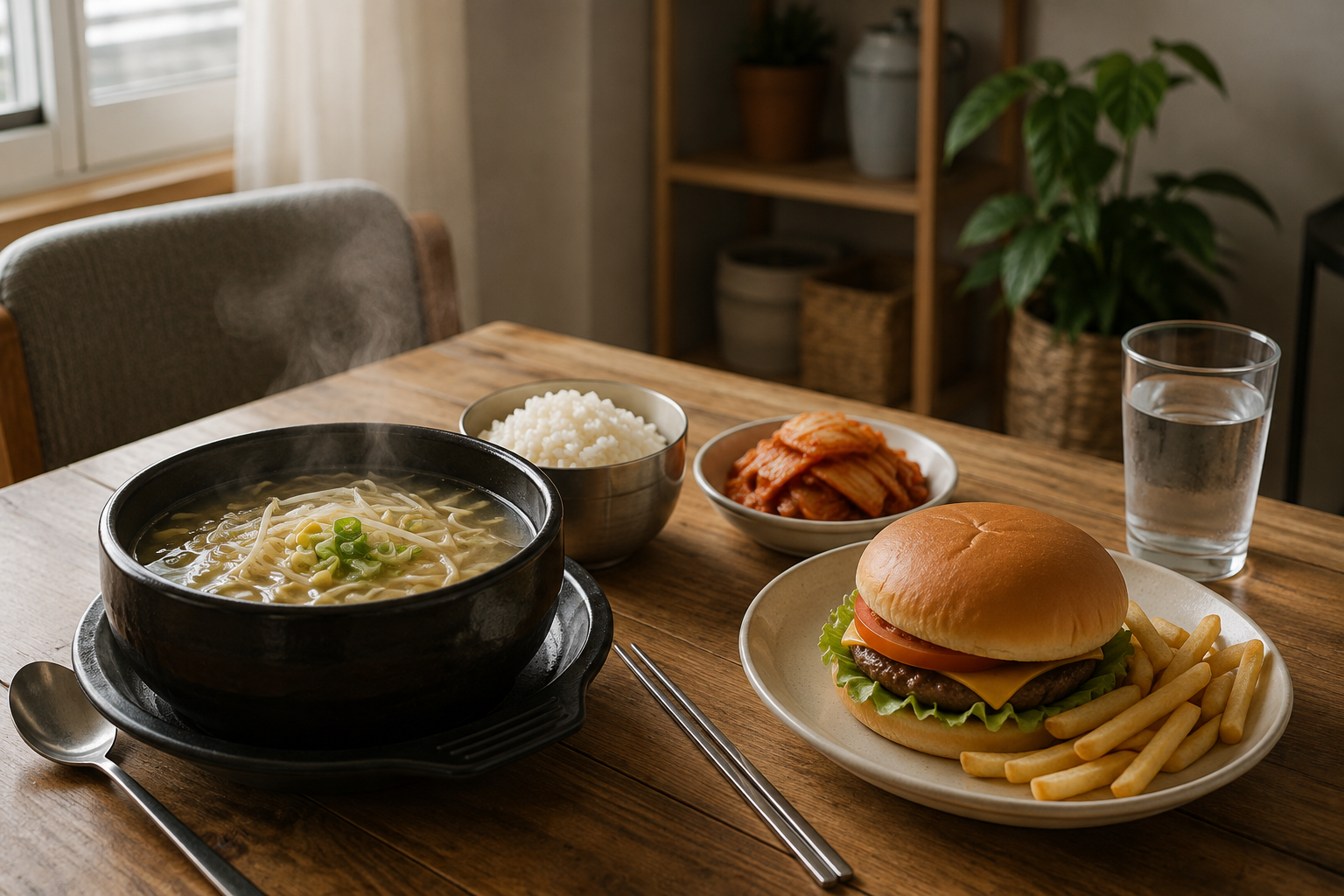
Hangover Food: What Koreans and Americans Eat After a Night Out
No dish can cure a hangover, but hangover food still says a lot about culture. Korean traditions often center on hot soup, while American choices vary by region and community. Today, the line between the two menus is becoming less distinct.
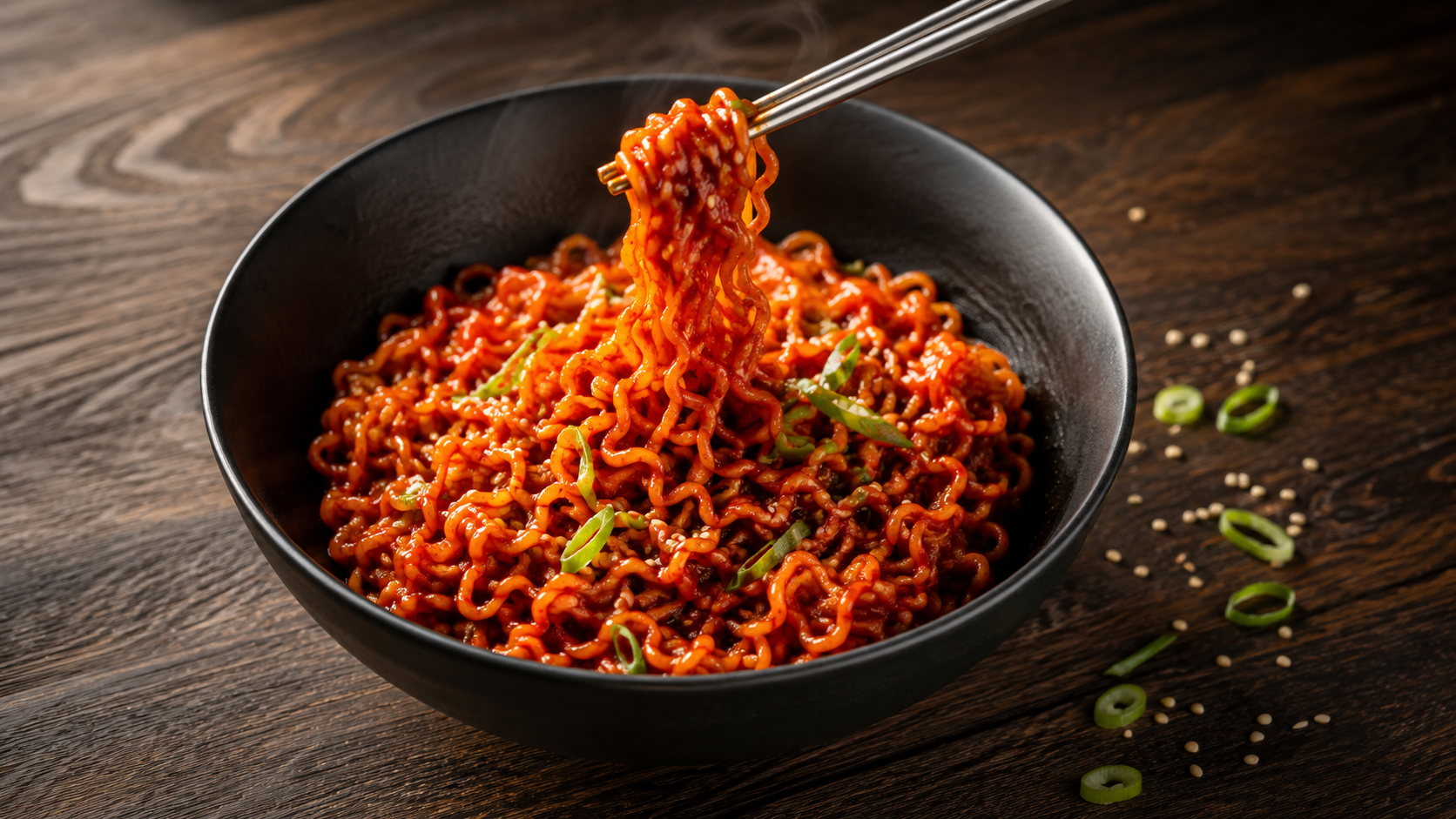
Buldak Ramen Spice Levels: Samyang's Official US Heat Tiers Explained
Compare Samyang's official US Buldak heat tiers from Swicy to 2X Spicy, learn why unofficial SHU charts differ, and see where 3X Spicy fits.


