

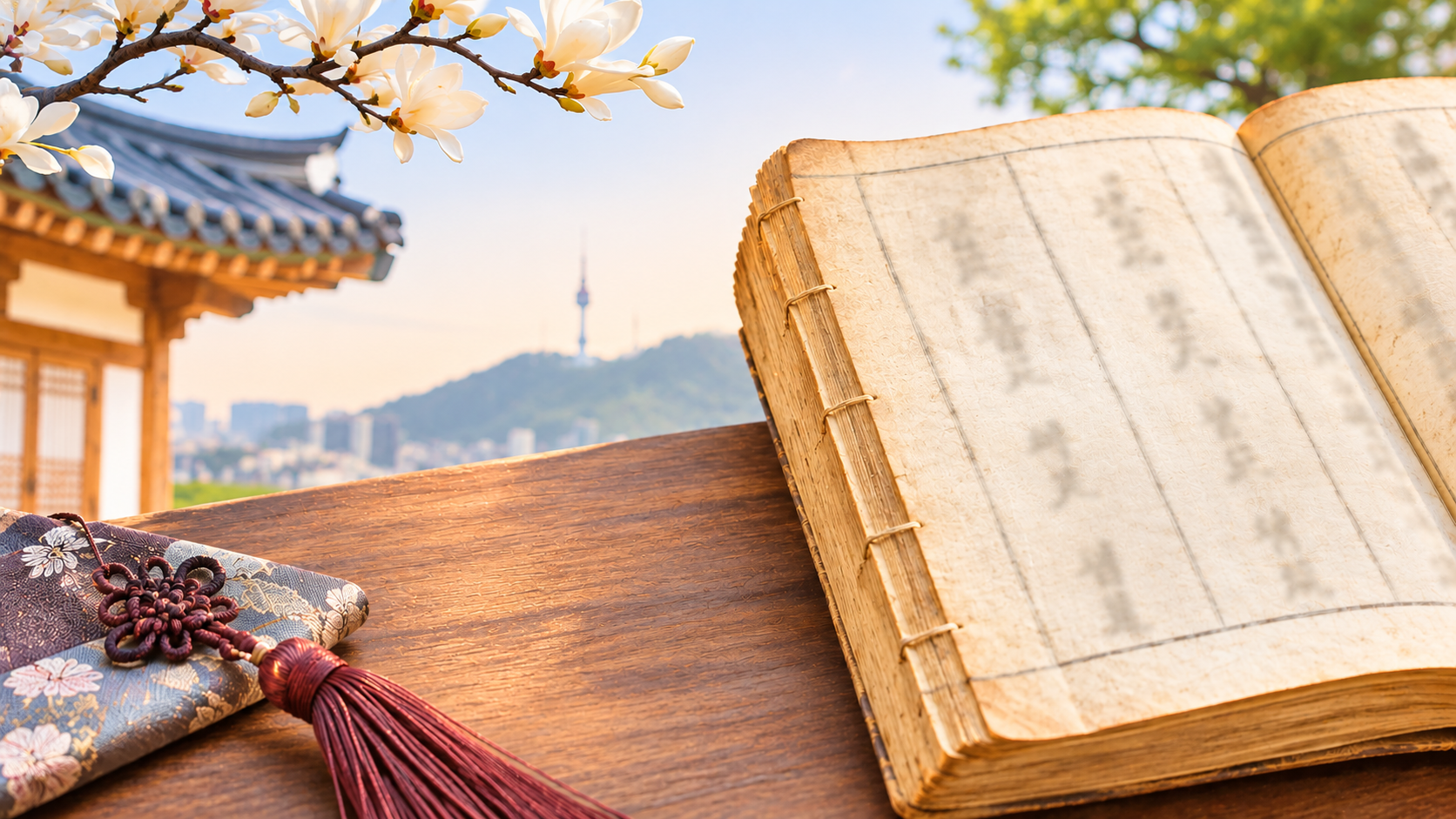
Korean Last Names: 20 Common Surnames, Meanings, and Cultural Facts
Kim, Lee, and Park cover about 45 percent of South Korean citizens. Here are 20 common Korean last names with Hangul, Hanja meanings, and spelling variants, plus what the bon-gwan says about family history.

Best Korean Horror Movies: 10 Picks for Every Horror Fan
Ten Korean horror films, from slow-burn ghost stories to a zombie outbreak on a bullet train, with spoiler-free setups and separate jump-scare and gore levels so you can pick by mood.
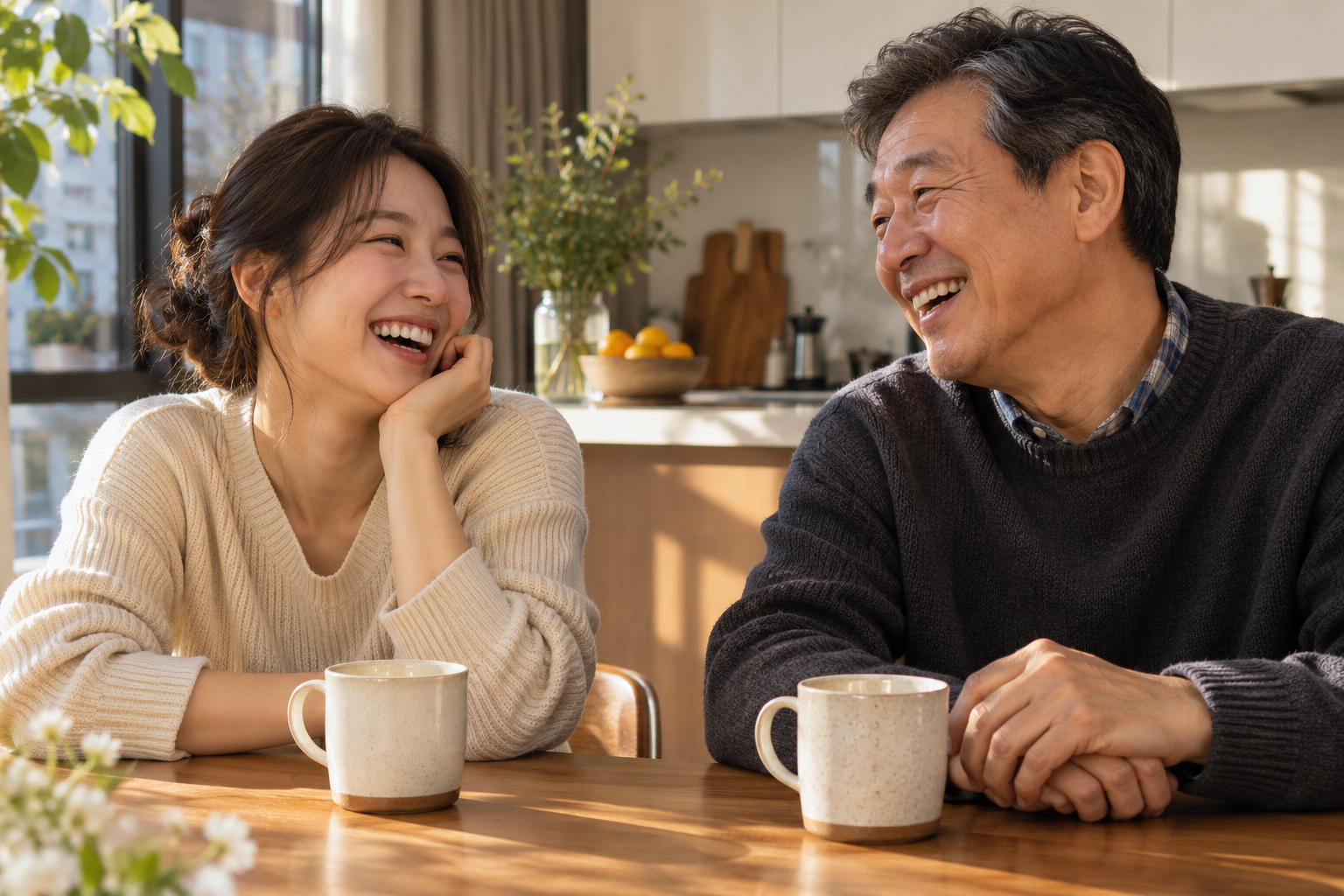
Dad in Korean: When to Say Appa and When to Say Abeoji
Appa is the everyday word for dad in Korean, and abeoji is closer to father. Here is how to choose between them, pronounce them, and use them in sentences like "My dad" and "Dad, I love you."
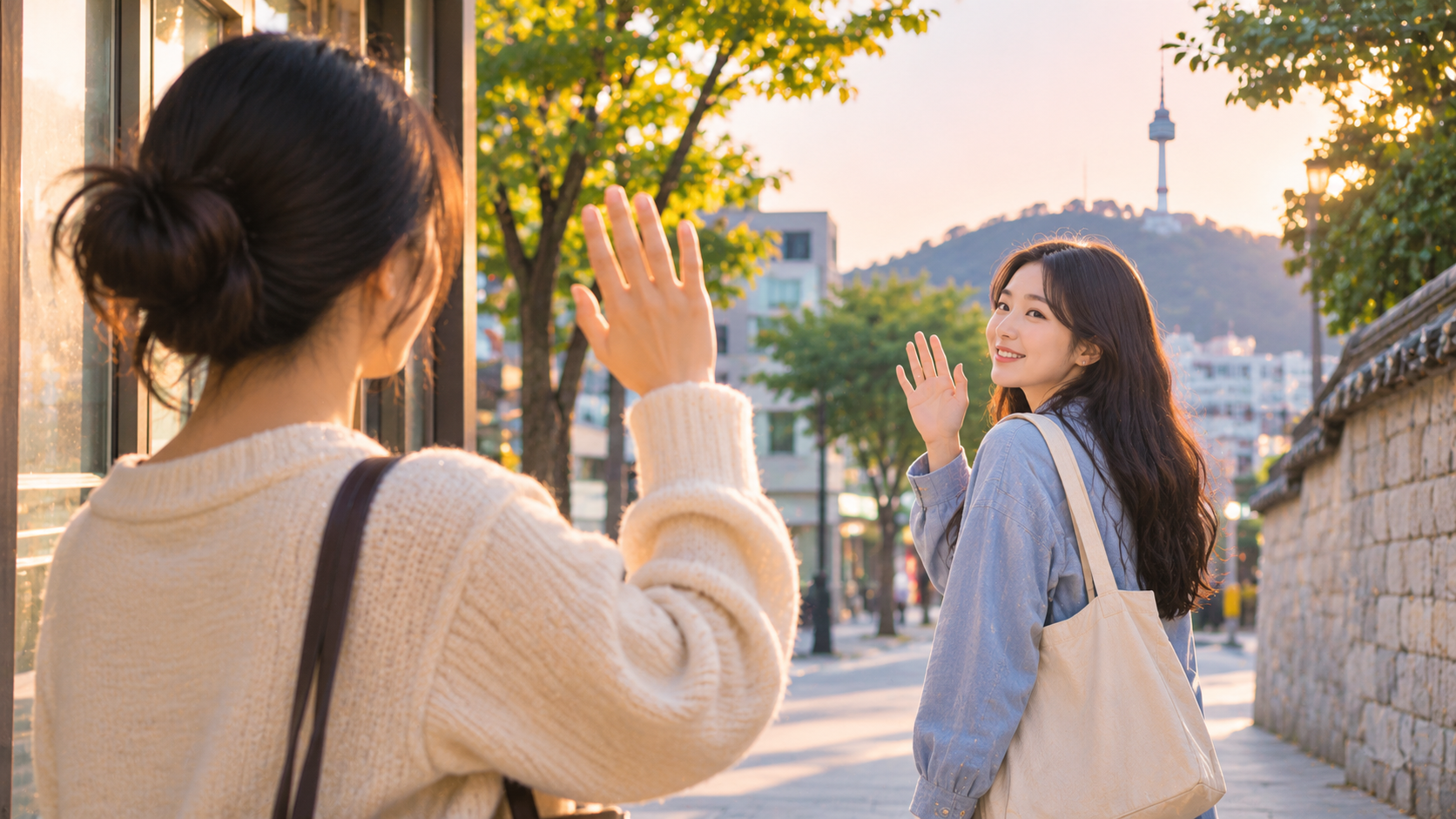
Goodbye in Korean: 8 Common Phrases and When to Use Them
Learn how to say goodbye in Korean the way native speakers do, with 8 common phrases, the difference between annyeonghi gaseyo and annyeonghi gyeseyo, and when to use polite or casual forms.
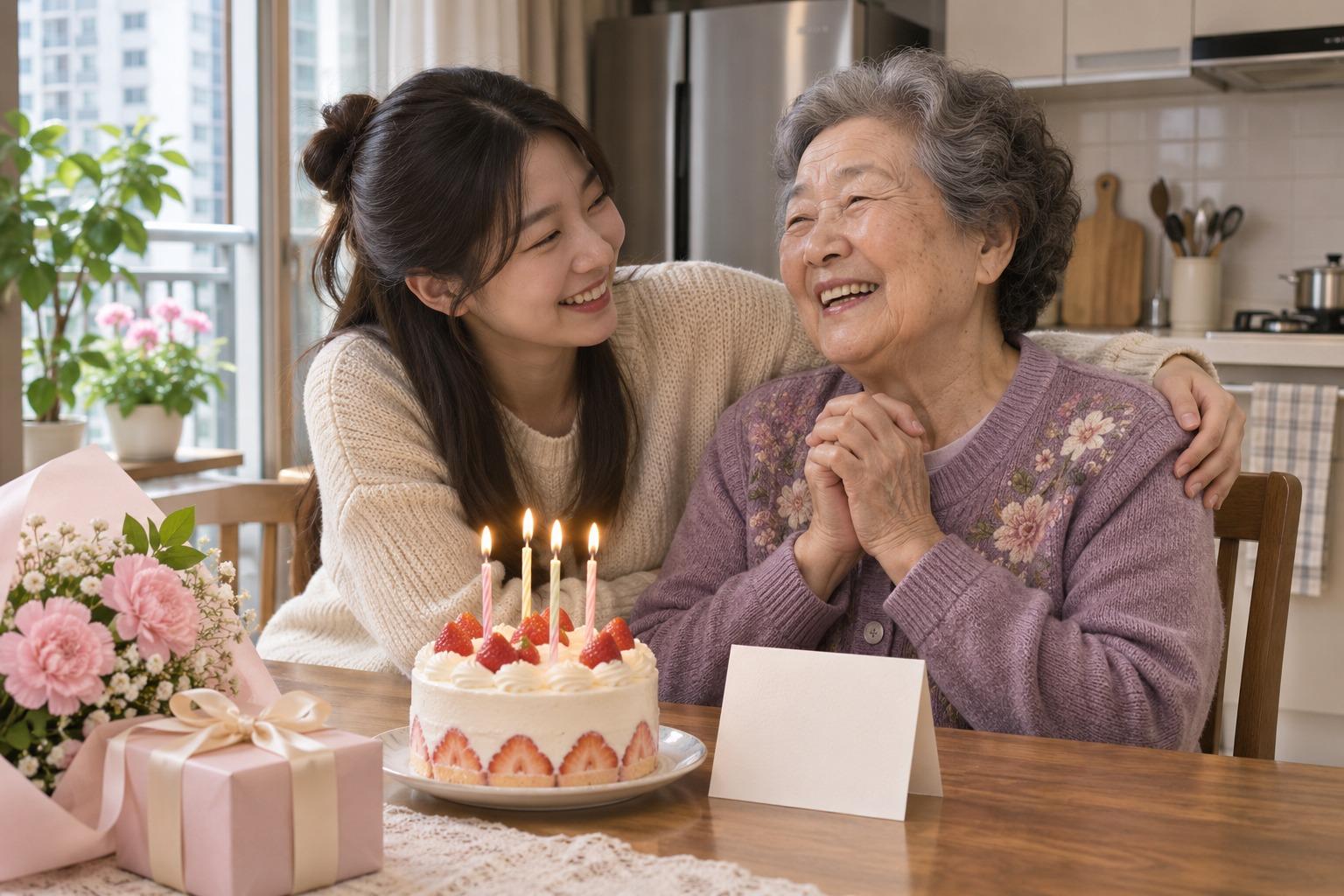
How to Say Happy Birthday in Korean, From Friends to Grandparents
Learn the polite saengil chukahaeyo, the casual and honorific versions, and ready-to-send birthday messages for friends, coworkers, and grandparents.
Korean Boy Names: Meanings, Pronunciation, and How to Read Them
Min-jun, Seo-jun, Ji-ho, Jun and more: a guide to Korean boy names with approximate pronunciations, meanings checked against how each name is written, and a clear explanation of name order and spelling variants.

Pepero Day in Korea: What Happens Every November 11
Every November 11, people across South Korea hand each other Pepero, a chocolate-coated biscuit stick. Here is why Pepero Day lands on the one date that looks like the snack, and how anyone can join in.
Beyond K-Dramas: Korean Novels Worth Reading in English
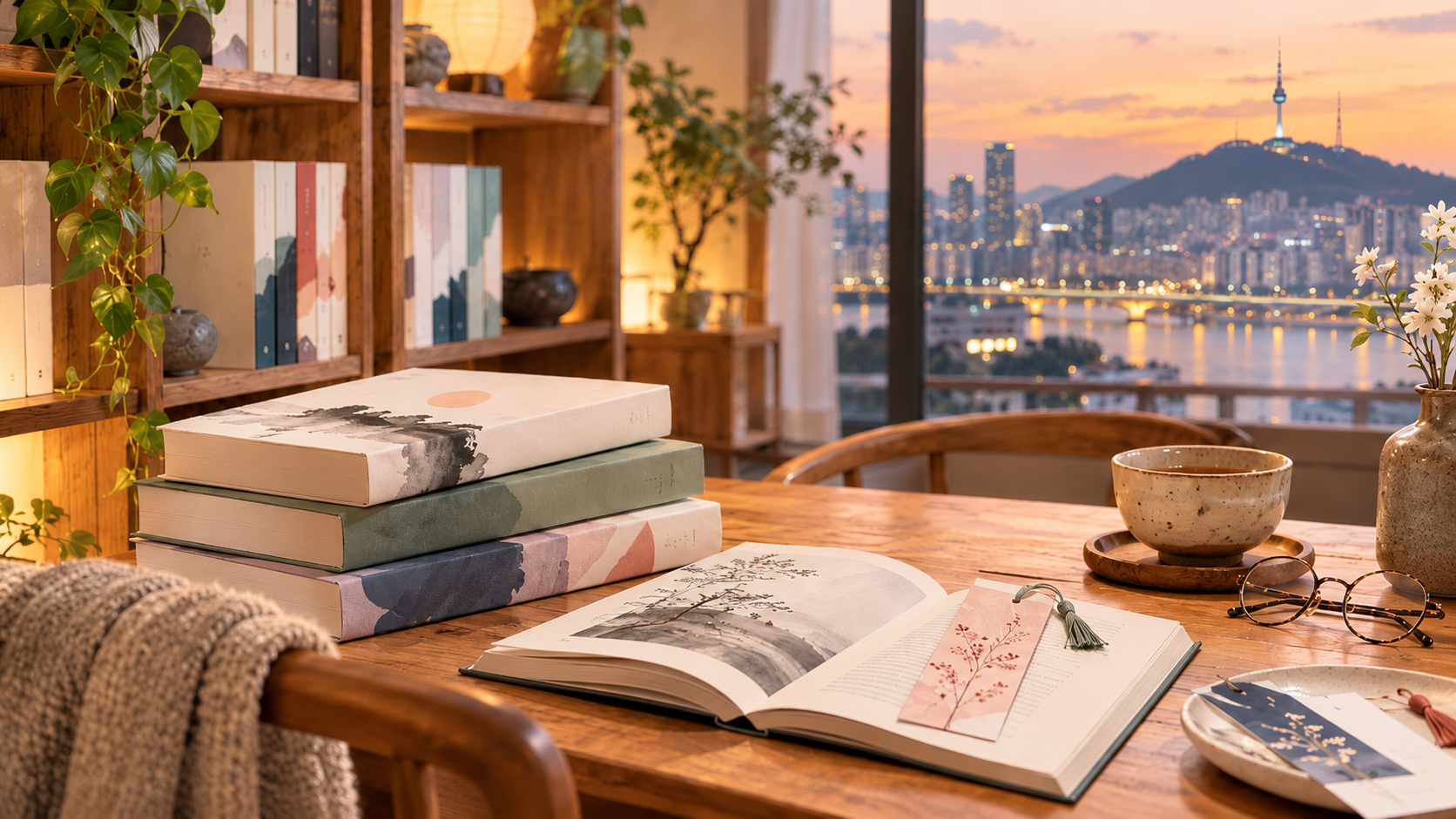
Loved the K-dramas? These eight Korean novels, all available in English translation, range from cozy bookshop stories and a dream-shop fantasy to a Seoul thriller, with a simple guide to choosing your first one.
What We Learned at CHIMAC FEST About How People Experience Korean Culture
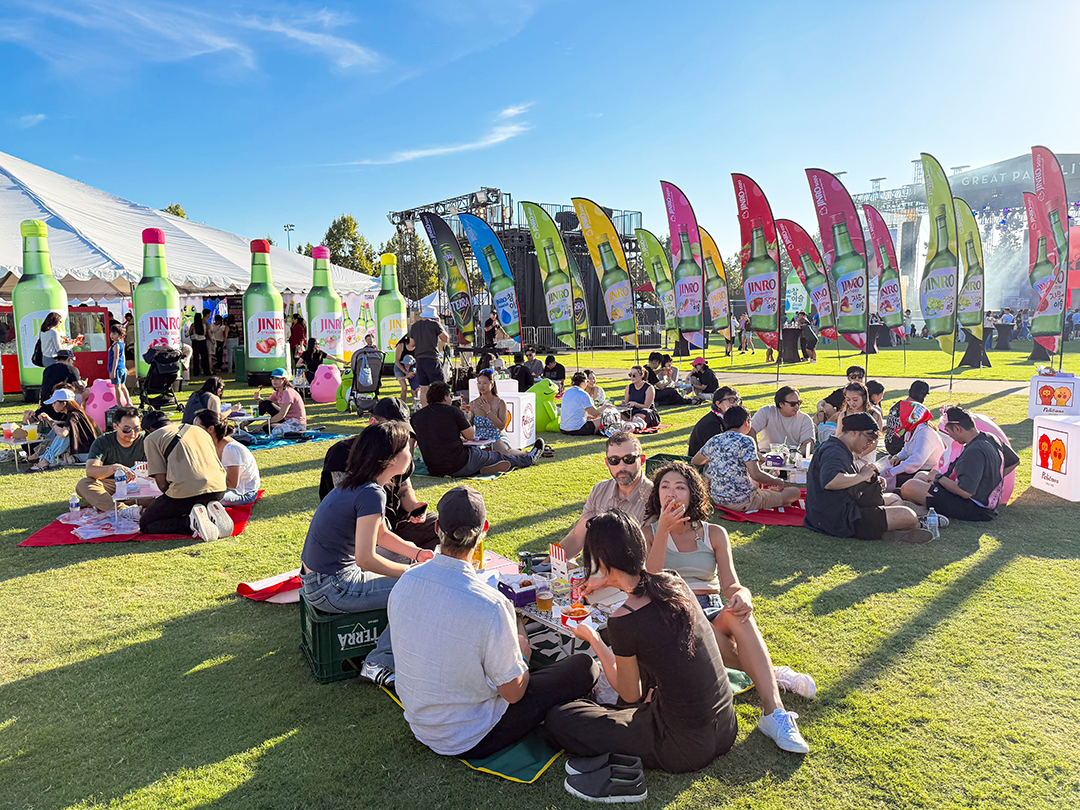
At CHIMAC FEST, K Gallery watched visitors play traditional games, try on hanbok, test Korean products, and choose what to take home. Here's what surprised us, and what it taught us about how people experience Korean culture.
Inside Seoul's Private Seshin Spas: The Korean Body Scrub Is a Bath Ritual, Not a Spa Treatment
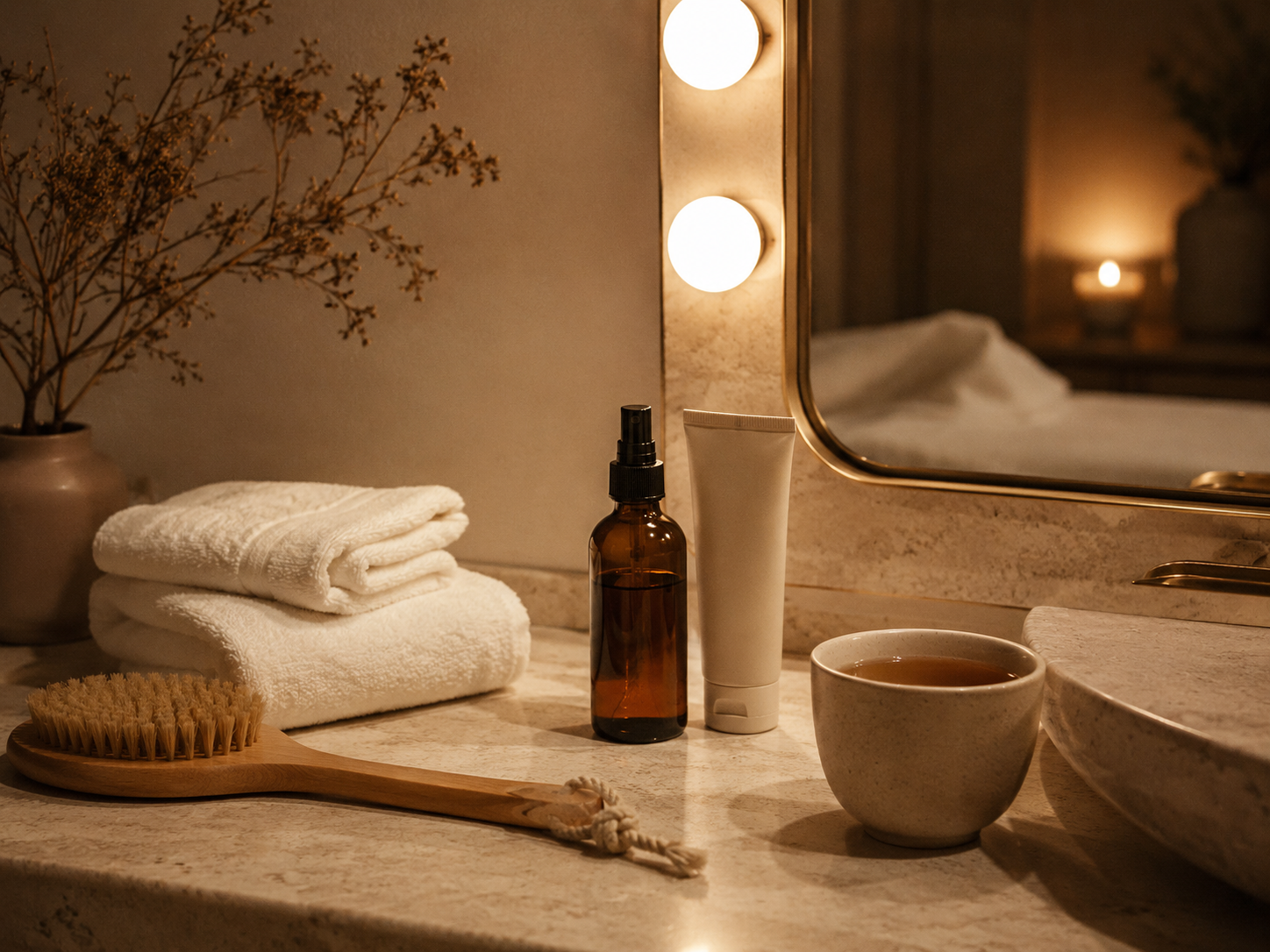
A Korean body scrub is not a massage. Nobody floats lavender past your nose while a harp plays. You soak for fifteen minutes, someone comes in with a green mitt, and then a visible quantity of you leaves your body and sits on the mat next to you.

From Paris to the World Cup: BTS Just Had the Most Historic Week in Pop Culture History
https://youtu.be/Z1CSj4FsGRk?si=F4GshL16e1Ef4MWn

Dongdaemun at Midnight: The Hours When Korea's Clothes Hit the Road
If you walk past Heunginjimun around 11 at night, the first thing you notice is the bags. Hundreds of them. Black, navy, faded red, stacked in waist-high piles right on the sidewalk and along the curb. Each pile has a small yellow sign poking out of it with a city name written in marker: 순천 (Suncheon), 구미 (Gumi), 천안 (Cheonan). These are not someone's lost luggage. They are tomorrow's inventory for clothing shops scattered across the country, and they are about to be loaded into vans that will drive through the night.


