Source: Eater (YouTube)
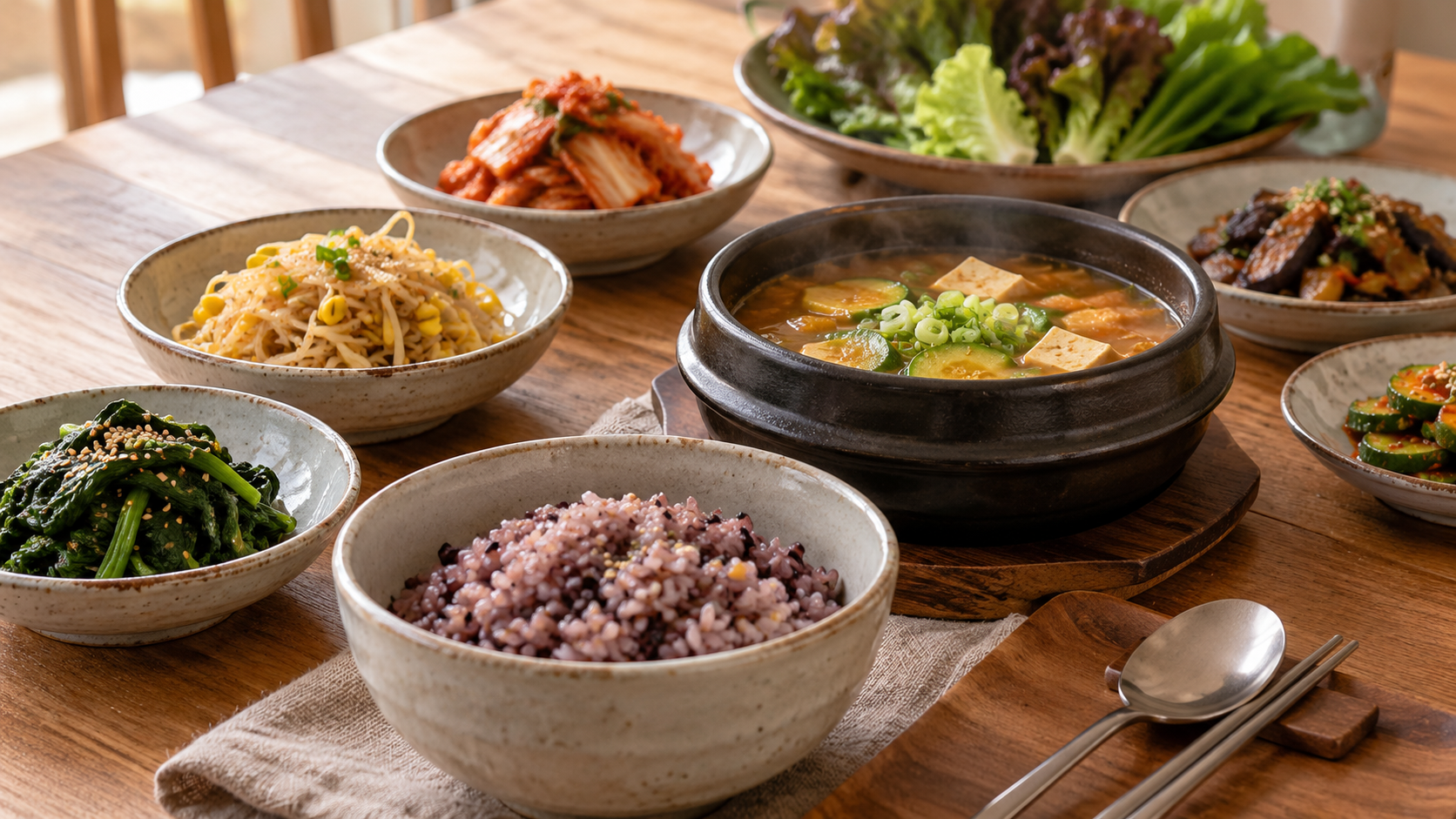
Before the main dish arrives at a Korean table, the table is already full.
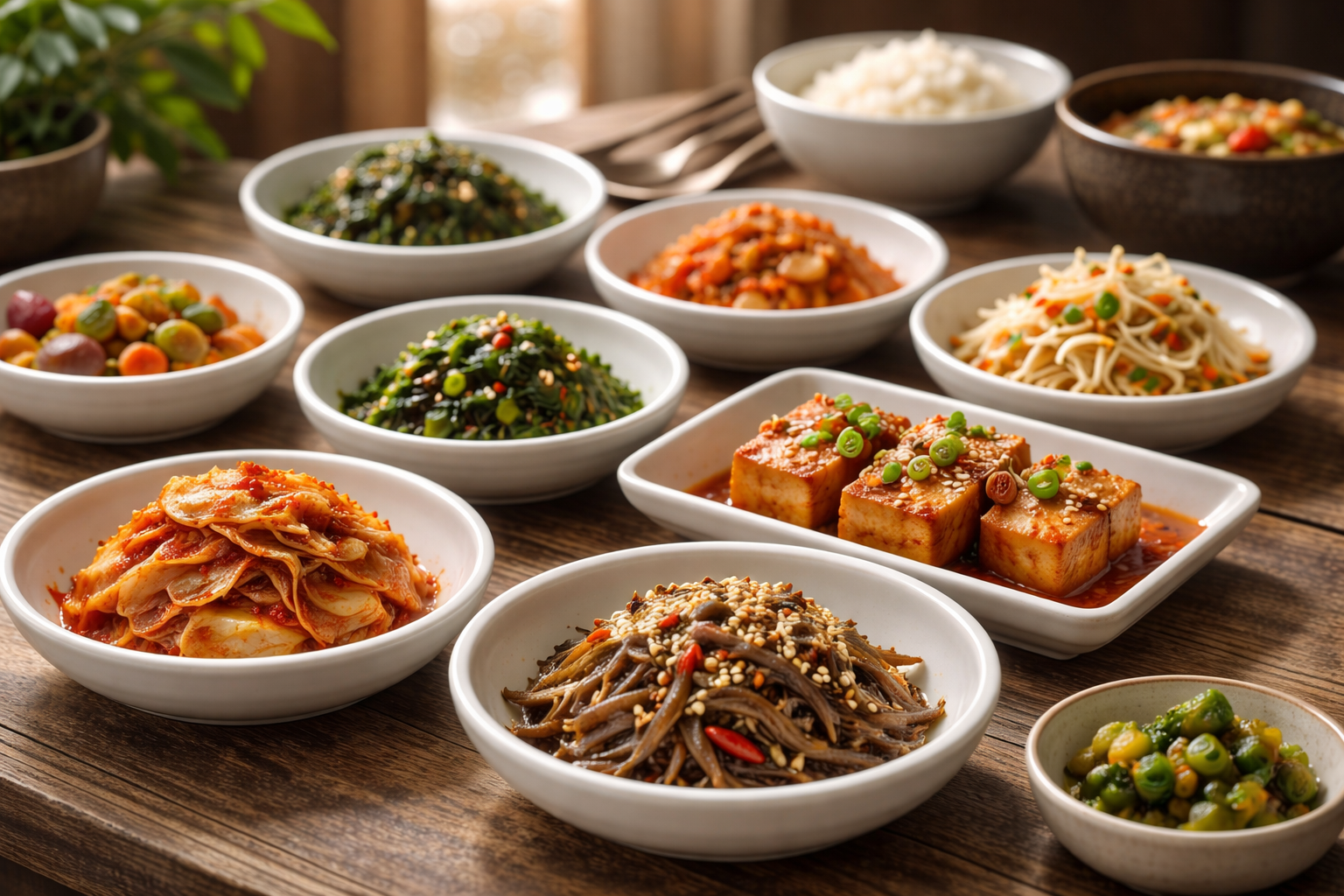
Small plates appear first — a dish of kimchi, a bowl of seasoned spinach, a few pieces of braised tofu, some stir-fried anchovies, perhaps a pile of crisp bean sprouts dressed in sesame oil. These are the banchan, and they are not appetizers in the Western sense. They don't precede the meal. They are the meal's foundation — the context in which everything else is eaten.
The word banchan simply means "side dishes," but the concept carries more weight than the translation suggests. In a traditional Korean meal, the rice and soup are personal — each person has their own bowl. But the banchan are shared. Everyone at the table reaches into the same plates, serves themselves freely, and takes what they want without ceremony. This shared access to a common spread is one of the defining characteristics of Korean dining culture, and it creates a particular kind of ease at the table that is difficult to replicate in settings where every dish belongs individually to someone.
The number and variety of banchan on a Korean table has historically been an indicator of hospitality and circumstance. A modest everyday meal might come with three or four small dishes. A more generous spread — the kind laid out for guests or on special occasions — might feature a dozen or more, covering the table so thoroughly that the tablecloth becomes invisible. Korean palace cuisine formalized this into elaborate spreads of dozens of individually prepared dishes, each representing a different flavor, texture, or cooking method.
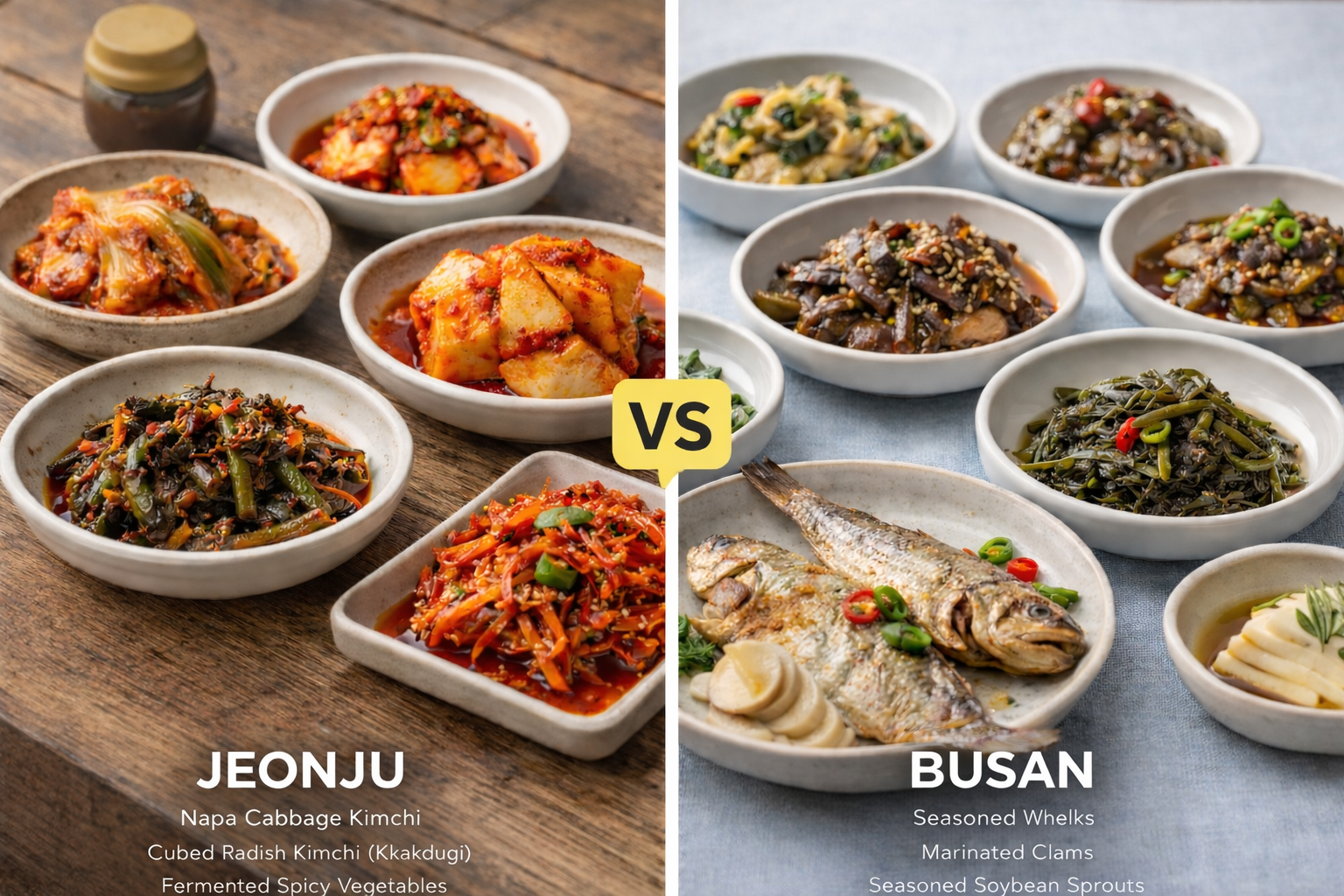
What makes banchan particularly interesting is how personal and regional it is. Ask ten Korean households what banchan they keep in the refrigerator and you'll receive ten different answers. A family from Jeonju might prioritize fermented and pickled preparations. A household in Busan might lean toward seafood-based side dishes. A Seoul apartment might keep a rotation of whatever is in season and whatever was on sale at the market. Banchan is, in this sense, a diary of a household — a record of where people are from, what season it is, and what the kitchen has been doing lately.
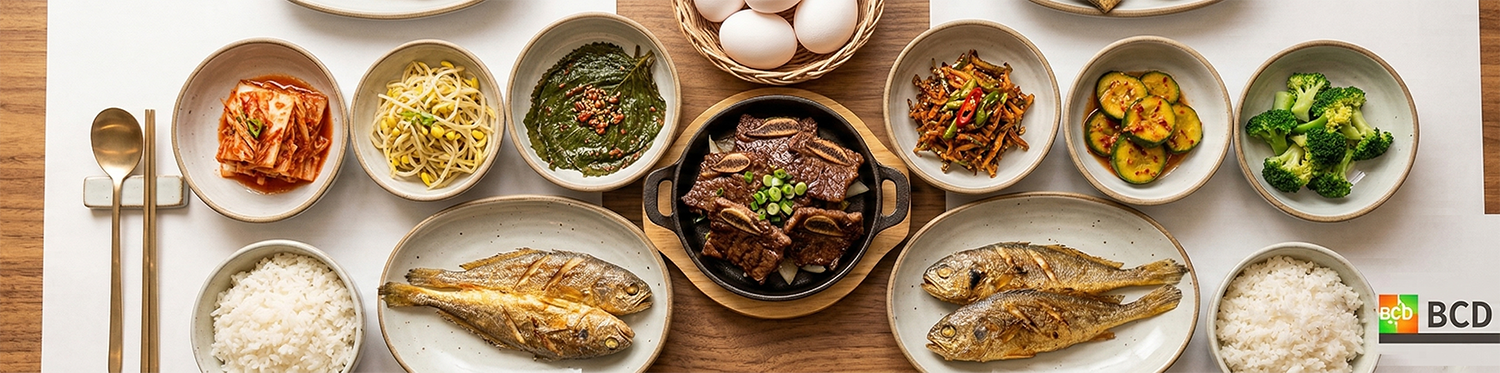
The practice of refilling banchan at no extra charge in Korean restaurants reflects this same spirit of generosity. The side dishes are not resources to be rationed — they are the hospitality of the table, offered freely and replenished as needed. For international visitors eating at a Korean restaurant for the first time, the arrival of four or five small dishes before they've ordered anything can be surprising. But it is one of the most immediate expressions of how Korean dining understands the relationship between host and guest.
To eat banchan is to participate in something ongoing. The dishes change with the seasons, shift with the pantry, and vary from kitchen to kitchen. There is no definitive banchan — only the ones on the table today, assembled from whatever is available and offered to whoever is sitting down.
#Banchan #KoreanFood #KFoodCulture #KoreanCuisine #HansikCulture #KoreanDining #SideDishes #KFoodBlog