Sea, Hills, Seafood, and a City That Moves to Its Own Rhythm
Most international visitors to Korea land in Seoul, explore Seoul, and leave Korea having seen Seoul. This is understandable — Seoul is enormous, endlessly layered, and genuinely worth the time. But Korea is not Seoul, and nowhere makes that clearer than Busan.
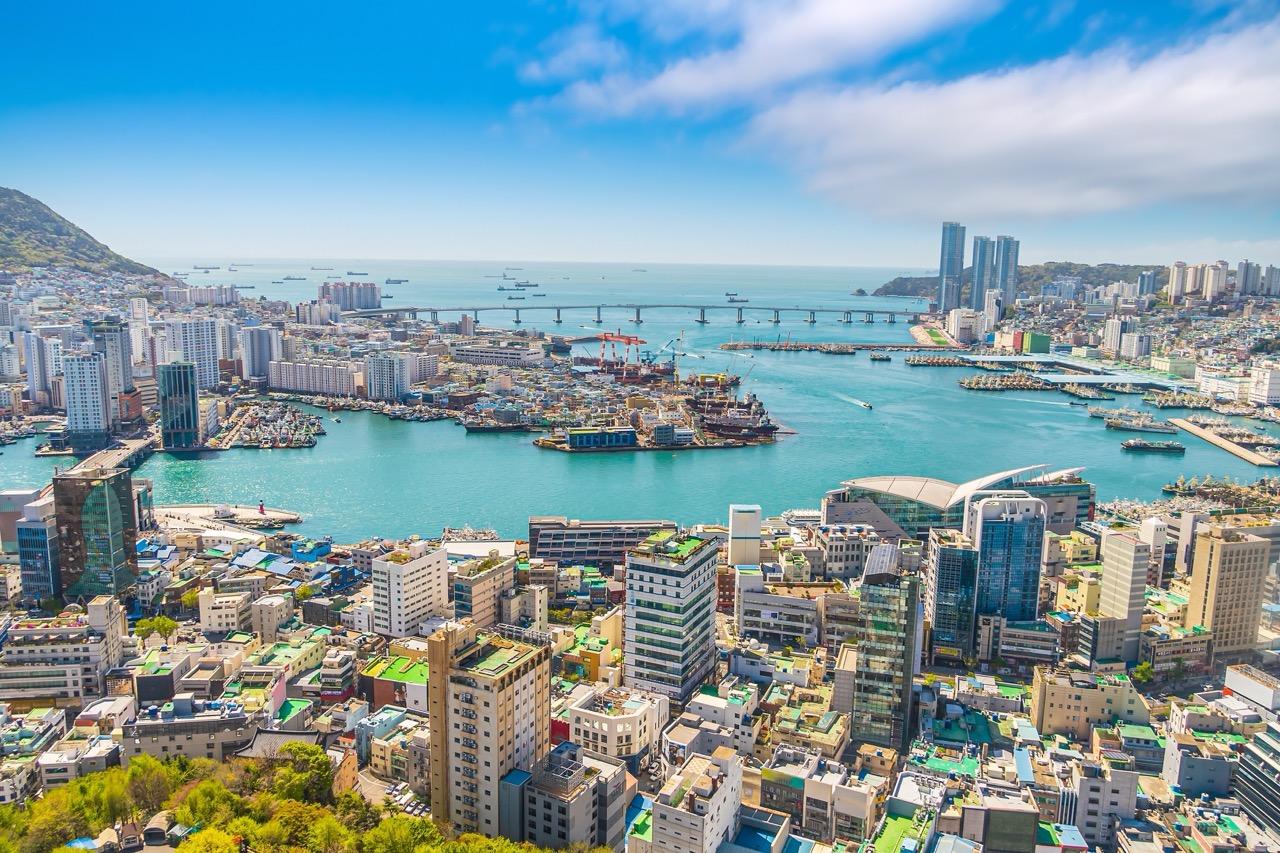
Busan sits at the southeastern tip of the Korean peninsula, facing the sea on three sides. It is Korea's second-largest city, but in character it feels like a different country entirely. Where Seoul moves at a relentless urban pace, Busan breathes differently — shaped by the sea, by hills that drop steeply into neighborhoods, and by a culture that has always been a little looser, a little louder, and a little more direct than the capital.
The first thing most visitors encounter is Haeundae Beach, and the first thing that surprises them is the scale. This is not a quiet seaside retreat. In summer, Haeundae is one of the most densely packed beaches in the world — a wall of people under a wall of apartment towers, with the East Sea stretching out beyond. It is spectacular in its own way, and it says something important about Korean ideas of leisure: beach time is communal time, shared in the company of tens of thousands of strangers.
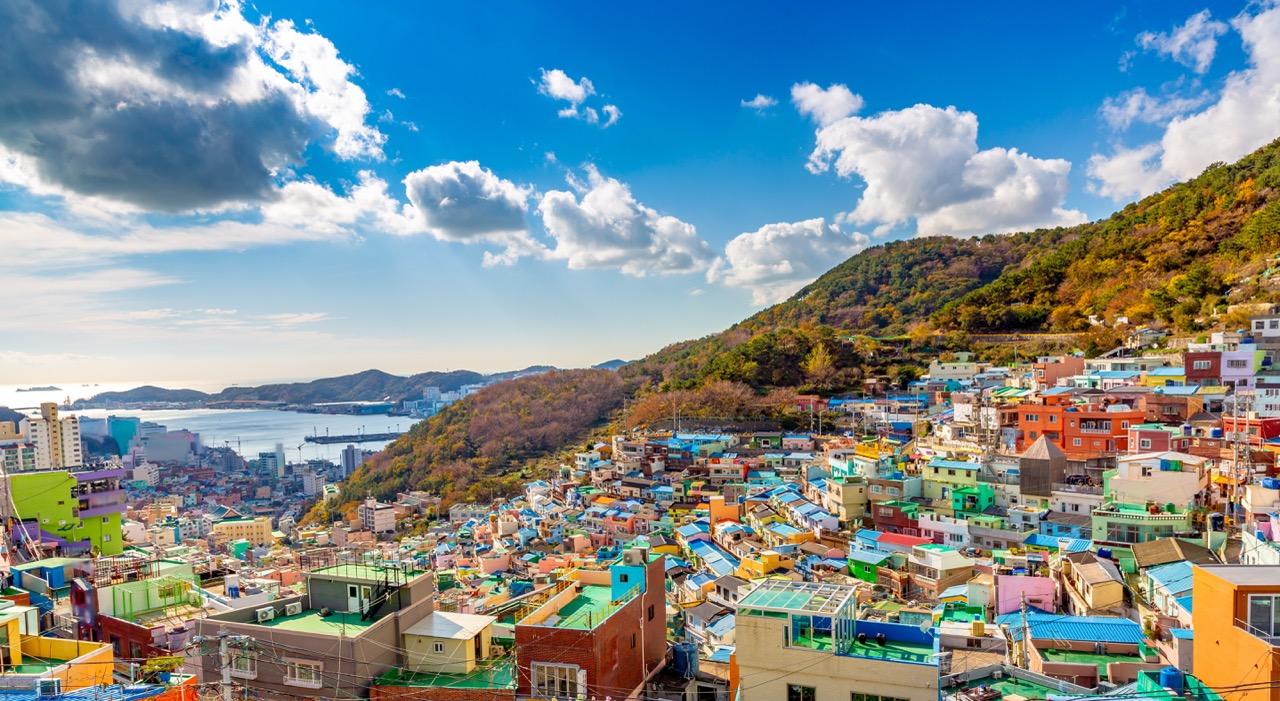
But Busan's most visually striking neighborhood is Gamcheon Culture Village, built on a hillside above the port. Originally settled by refugees during the Korean War, the neighborhood was later transformed through an arts initiative that painted the tightly packed houses in bright colors and turned the winding staircases and alleys into an open-air gallery. It looks, from a distance, like something from the pages of a picture book — stacked houses in blues, yellows, and pinks tumbling down toward the sea.
For food, Busan is defined by its seafood. The Jagalchi Fish Market is Korea's largest seafood market, a sprawling complex where the catch comes in fresh every morning and you can choose your fish, have it prepared, and eat it at a table on the upper floor. The energy at Jagalchi in the early morning — the ice, the shouting, the absolute freshness of everything on display — is as much a part of the Busan experience as any landmark.
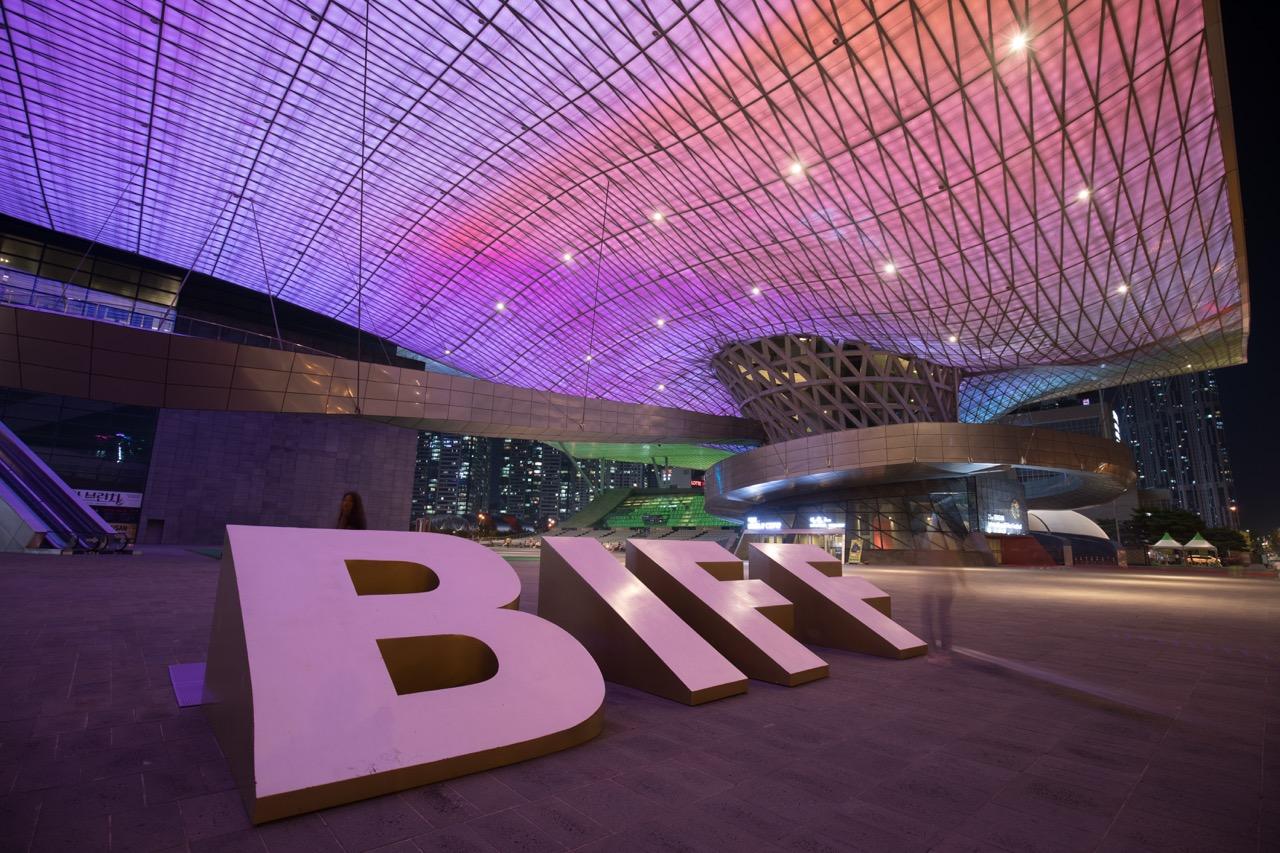
Then there is the Busan International Film Festival, held each October, which has made the city a genuine destination on the global film calendar and given it a cultural identity that extends well beyond the beach. The outdoor screenings and the atmosphere of the Haeundae district during festival week offer a different kind of Busan entirely.
Seoul and Busan are often compared. But they are not competing versions of the same city — they are two different expressions of what Korea is. A trip that includes both is, in most respects, a more complete picture than either one alone.
#Busan #VisitBusan #KoreaTravel #HaeundaeBeach #GamcheonVillage #JagalchiMarket #BusanFilmFestival #KTravelGuide