Three Neighborhoods, Three Ways of Keeping the Past Alive
Seoul is a city that moves fast. It rebuilt itself from near-complete destruction in the span of a few decades, and the speed of that rebuilding left marks — glass towers rising next to single-story wooden houses, eight-lane roads cutting through neighborhoods that were laid out centuries ago. The tension between old and new is everywhere. But in a handful of neighborhoods, the old has not just survived — it has been rediscovered.
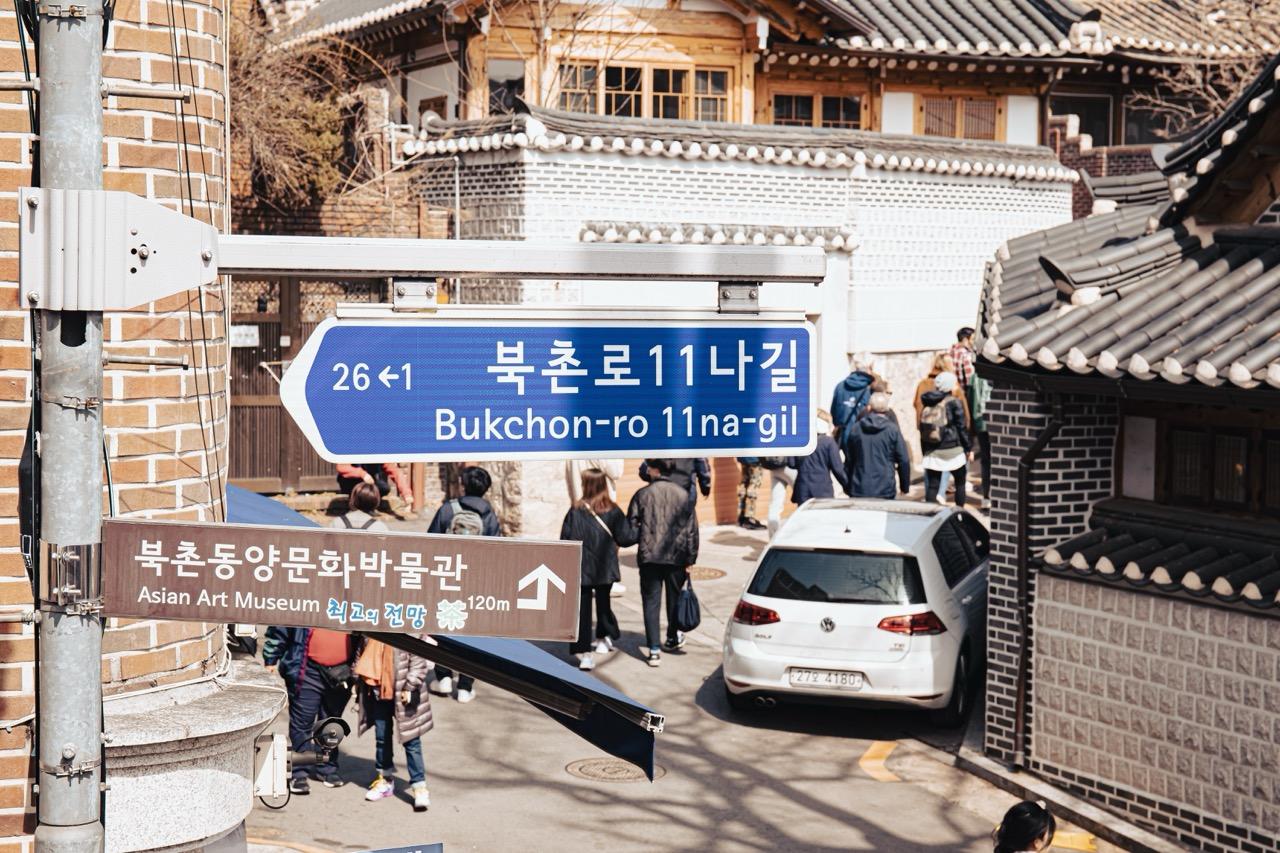
Bukchon Hanok Village sits on the hillside between Gyeongbokgung Palace and Changdeokgung Palace, in the geographic center of what was once the Joseon Dynasty's capital. The neighborhood is named for the hanok — the traditional Korean wooden house — and it contains the largest concentration of preserved hanok in Seoul. Walking through Bukchon's narrow alleyways in the early morning, before the tour groups arrive, offers something rare in a city this size: the experience of moving through a space that has not fundamentally changed in a hundred years.
What makes Bukchon worth understanding is not just its architecture but what it represents. The hanok was designed around principles of balance — between interior and exterior, between warmth and air, between the individual rooms and the shared courtyard at the center. The buildings face south to maximize winter sunlight. The wooden structures breathe with the seasons. To walk through Bukchon is to move through a philosophy of living that values harmony with the natural environment.
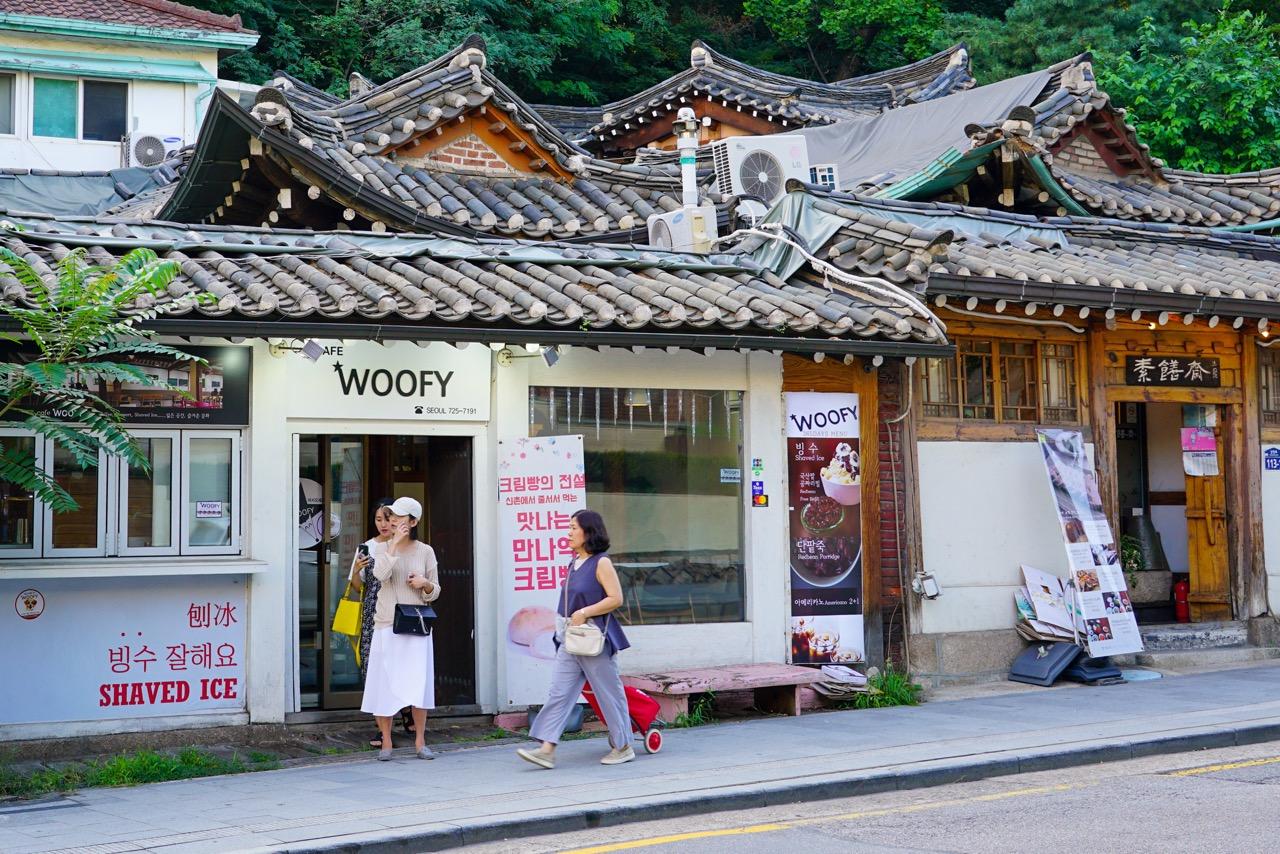
A short distance away, Ikseon-dong offers a different but equally telling experience. This neighborhood was once a modest urban block of small hanok homes that had fallen into disrepair. Rather than demolishing it — as happened with so many similar areas across Seoul — property owners and young entrepreneurs began converting the old buildings into cafes, restaurants, and small shops. The result is a neighborhood that feels both old and very alive, where you can drink coffee in a room whose wooden beams have been standing for eighty years.
(Source: You Go Too)
Euljiro tells yet another story. For decades it was the city's printing and manufacturing district — a place of noise and industry, small workshops making machine parts and signage for the businesses of central Seoul. As that industry declined and rents stayed low, artists and bar owners moved in, drawn by the raw character of the spaces. Today, Euljiro is one of the most interesting parts of the city precisely because it hasn't been polished. The old workshops are still there, working alongside bars that open at midnight and galleries that share walls with hardware suppliers. It is a neighborhood in conversation with itself.
Each of these three neighborhoods represents a different version of Seoul's relationship with its own history — one preserved, one adapted, and one repurposed. Together, they offer a more complete picture of the city than any single landmark can. Seoul is not only the Han River and the N Seoul Tower. It is also the alleyway behind the hanok where a cat sleeps on a stone wall, and the basement bar in Euljiro where the old machines have become part of the interior design.
#Bukchon #IkseonDong #Euljiro #SeoulHanok #SeoulTravel #VisitSeoul #KoreaTravel #SeoulHidden