Sowhwahaeng, Downshifting, and a Generation Negotiating With Its Own Speed
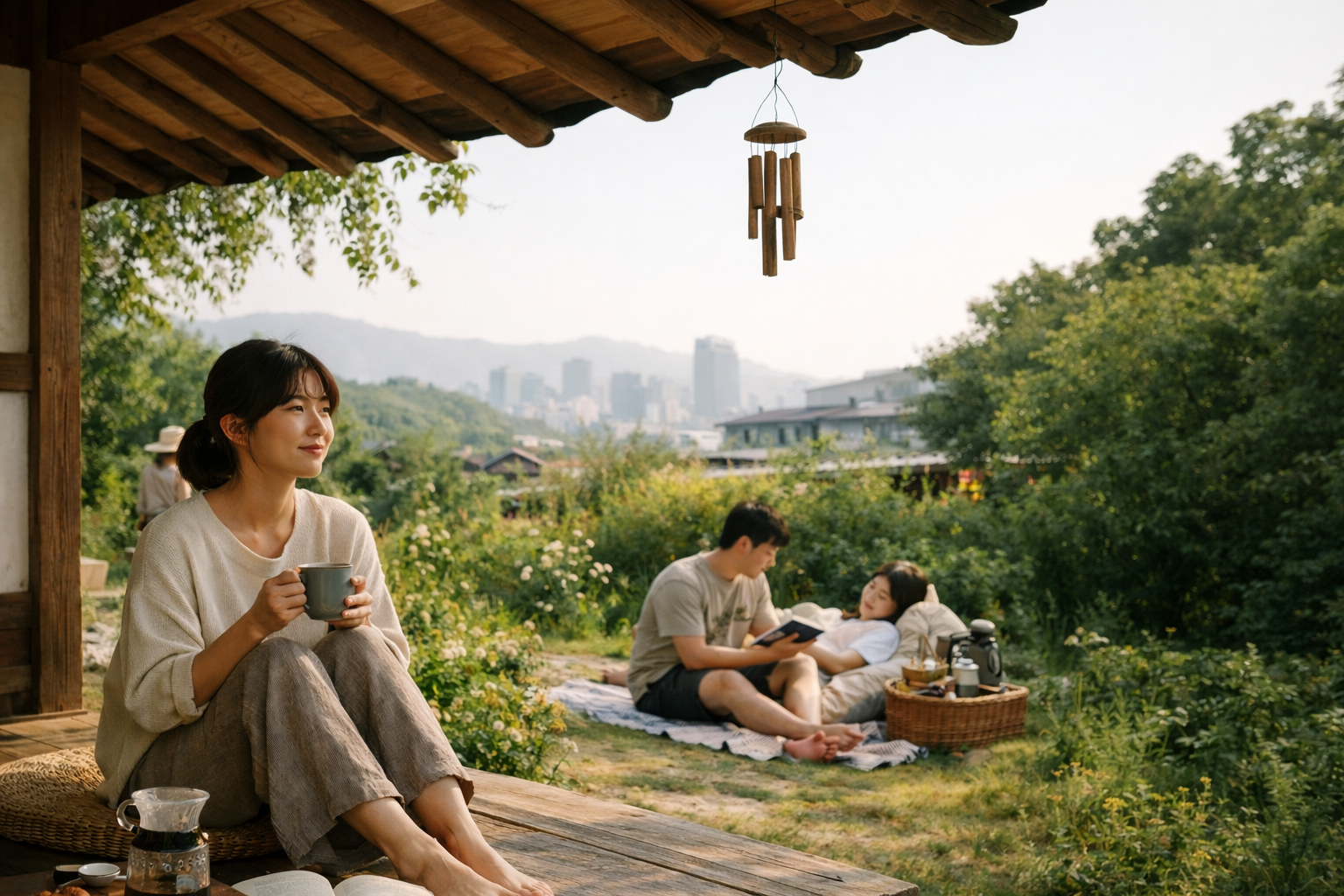
Somewhere in the middle of one of the world's most competitive societies, a counter-movement is growing. It is not loud, which is partly the point. It goes by different names in different contexts — sowhwahaeng, a Korean portmanteau meaning "small but certain happiness"; "slow living"; "down-shifting" — but the underlying impulse is consistent: a deliberate choice to step back from the pace and pressure that Korean society has long treated as baseline expectations.
For South Korea's younger generations, the pressure is not abstract. The education system that funnels students toward a small number of elite universities, the job market that demands credentials and resilience, the housing market that makes ownership feel perpetually out of reach, the social expectations around career achievement, marriage, and family: these are specific, concrete forces that many young Koreans have grown up navigating. The quiet life movement is, in part, a response to the accumulated weight of all of them.
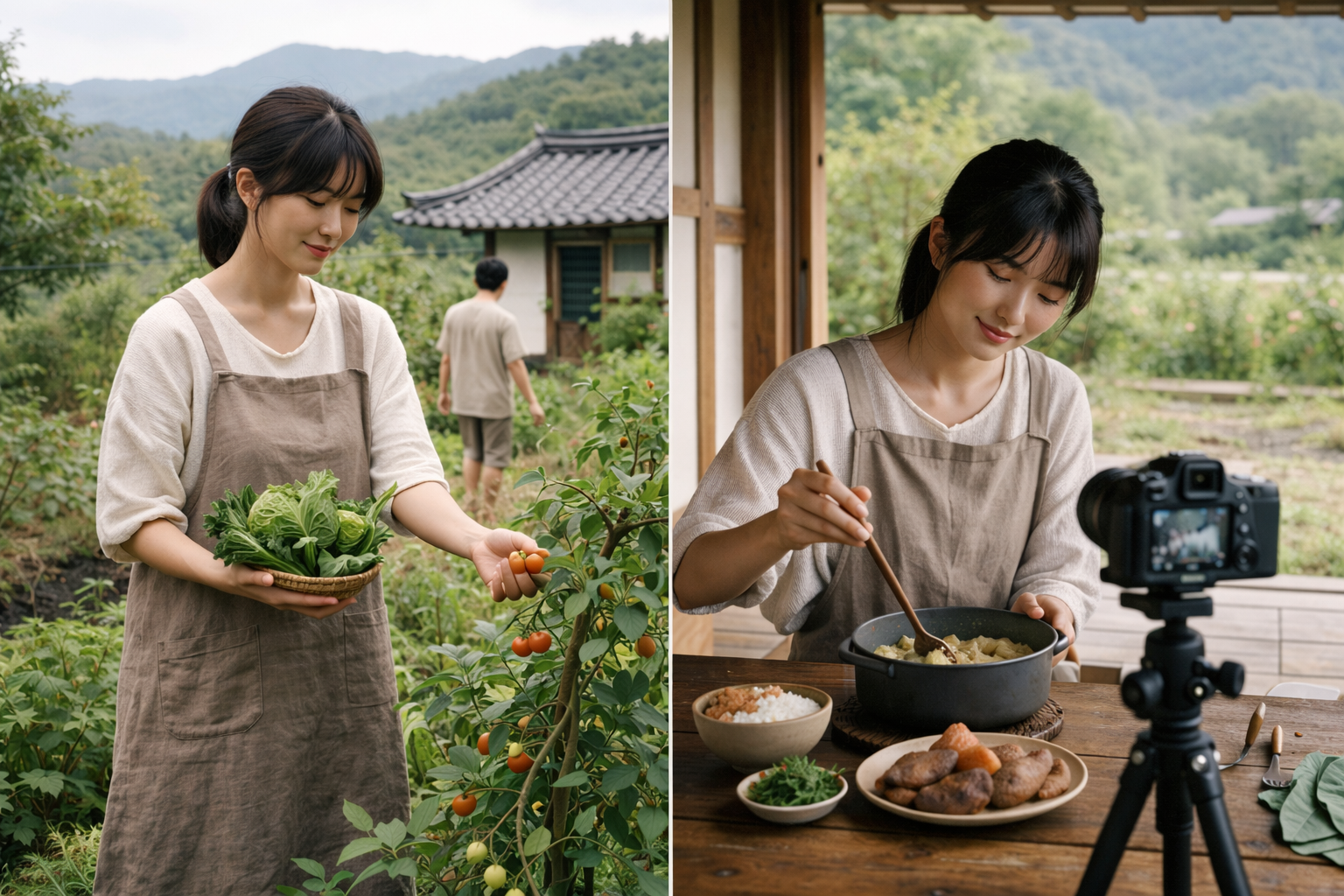
What that response looks like varies. For some, it is simply choosing a job with reasonable hours over a more prestigious position that would demand everything. For others, it is leaving Seoul — or leaving cities entirely — for smaller towns or rural areas where the cost of living is lower and the pace is different. A visible number of young Koreans have documented this transition on YouTube, creating a genre of content that shows what daily life looks like when you opt out of the standard script: cooking simple meals, tending a small garden, walking in landscapes that aren't concrete.
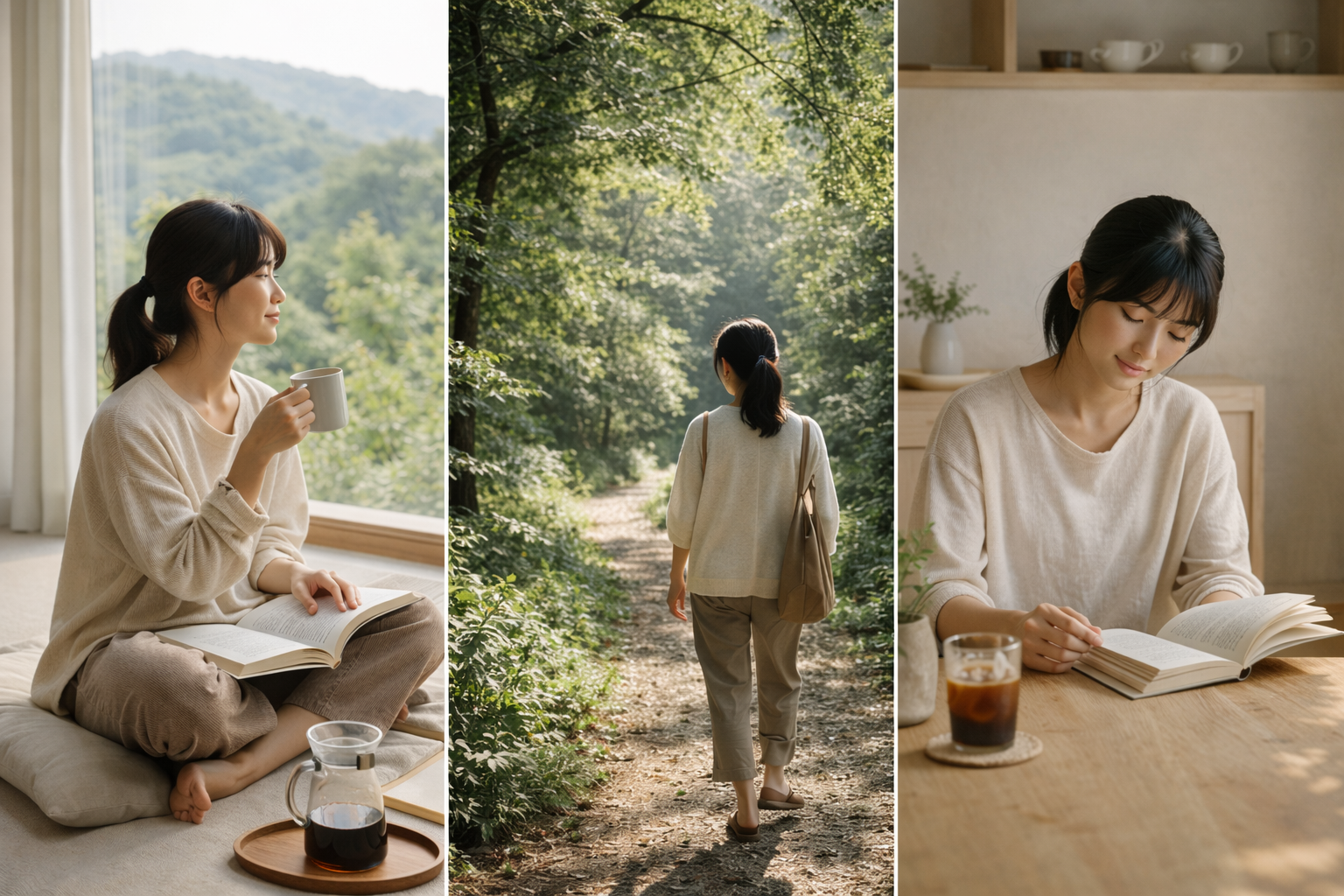
The minimalism thread runs through much of it. Owning less, consuming less, building a life around experiences and relationships rather than acquisitions. Korean minimalist content creators have built substantial audiences by documenting routines that emphasize quality over quantity — a carefully made cup of coffee, a morning walk, a book read slowly. The aesthetic is deliberately calm, and its popularity suggests that the audience for it is large.
This is not a movement against ambition, or against Korea. Most of its participants have not dropped out of society — they have simply renegotiated their terms with it. The quiet life is, at its core, about deciding what is actually worth working for, and then protecting that with intention.
In a country that has historically moved very fast, the growing appeal of moving slowly is itself a kind of cultural signal. Something is being reconsidered.
#KoreanSlowLiving #Sowhwahaeng #KoreanDownshift #QuietLifeKorea #MZGeneration #KoreanMinimalism #SlowLiving #KVibe