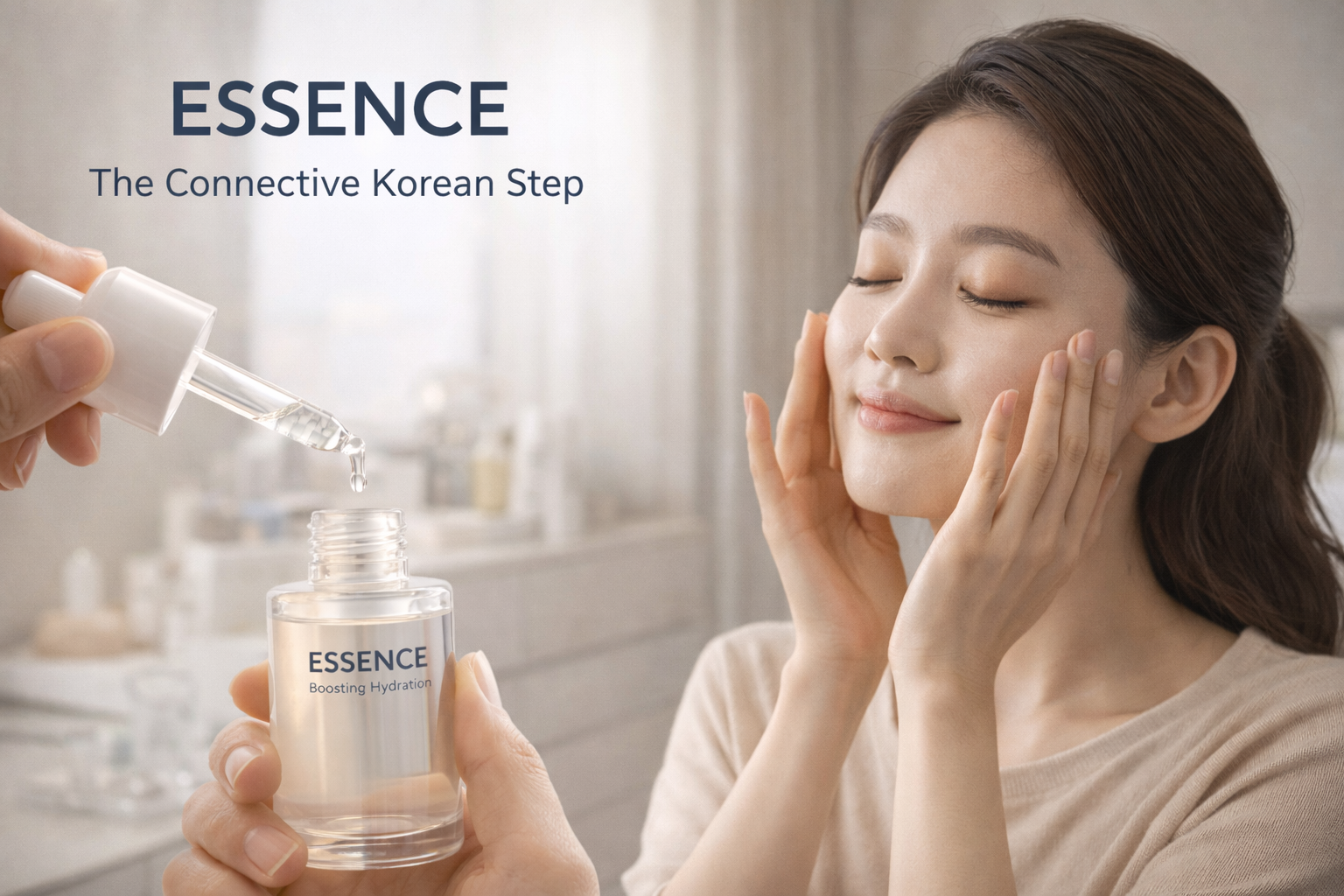
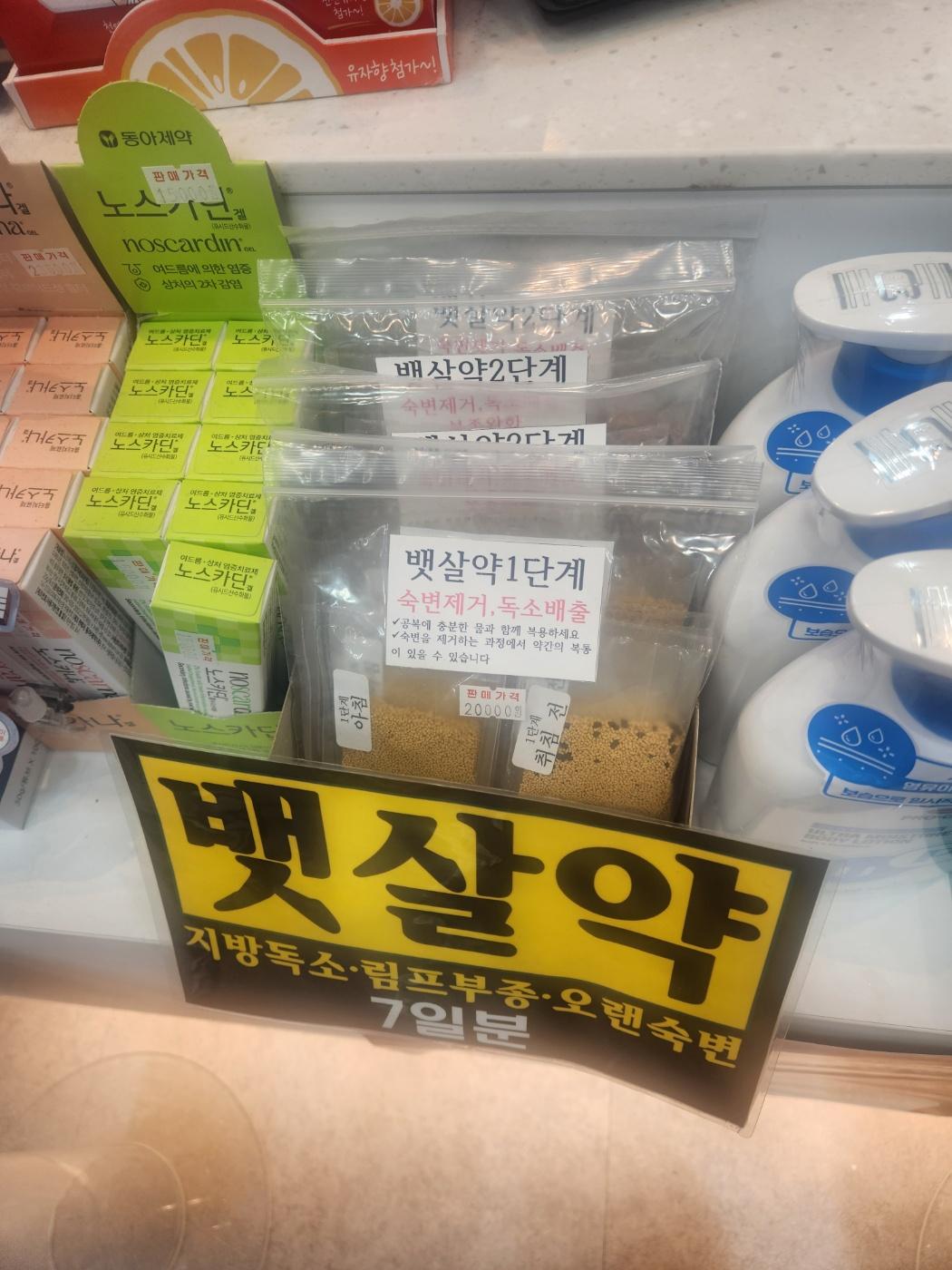
Walking into a Korean pharmacy as a first-timer is a small culture shock. Not the bad kind. The kind where you stand in front of a shelf for a full minute trying to decide if you're looking at medicine, a snack, or a marketing experiment. And then you spot the yellow sign. "뱃살약." Belly fat pills. Seven-day course. Step 1 and Step 2 in two cute little zip-packs, like a starter kit for a video game where the boss is your own waistline.If you've ever wondered why Korean wellness culture has taken over your TikTok feed, this shelf is part of the answer. Korea is the country that turned skincare into a 10-step ritual, so it makes sense that the body would get the same treatment. Detox is not a niche idea here. It is shelf space. Quite a lot of it.
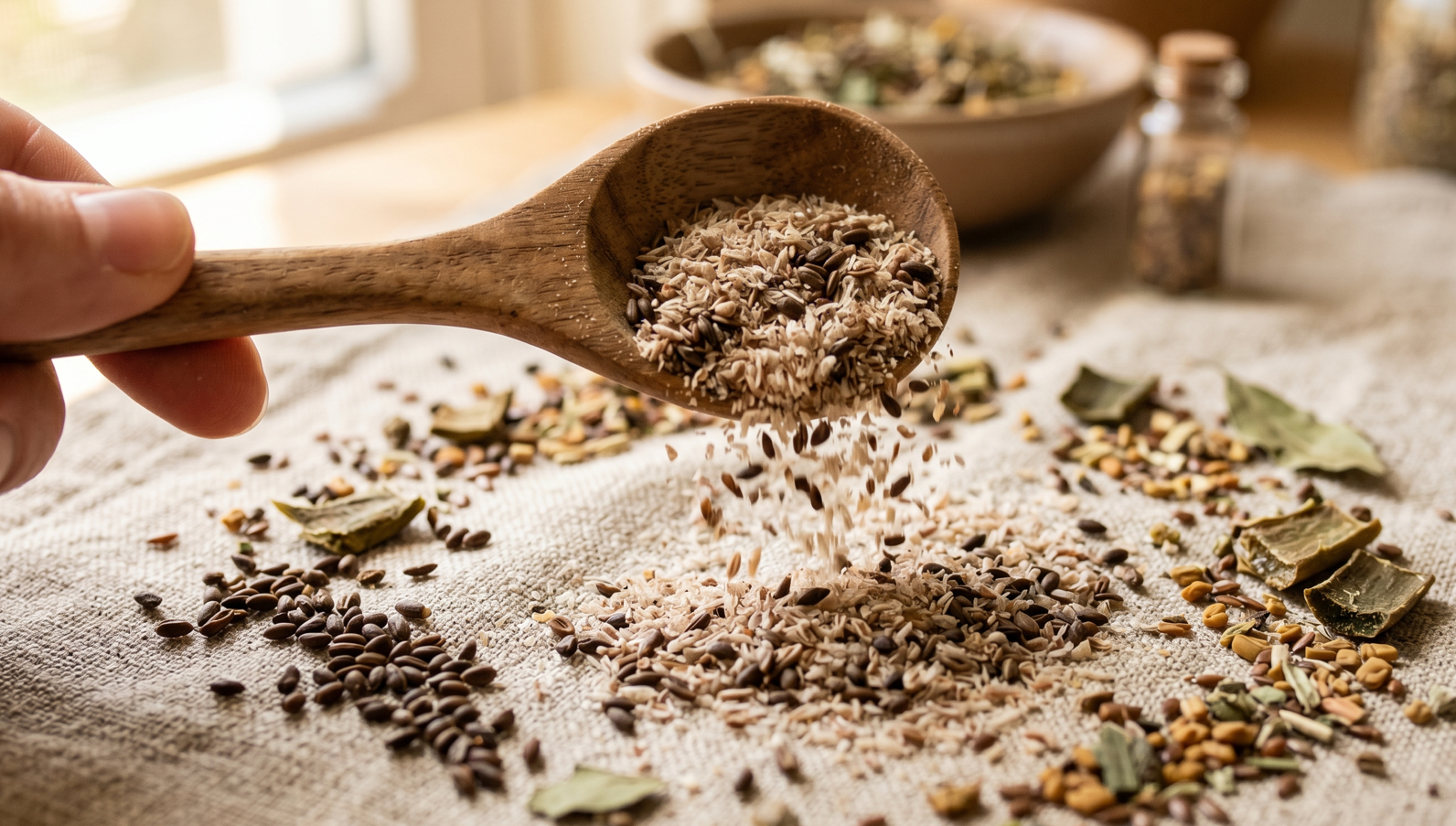
What "belly fat pills" actually areLet me clear up one thing right away. Despite the dramatic yellow signage, these products are usually not medicine in the regulated, doctor-prescribed sense. In Korea, real pharmaceuticals are dispensed by a licensed pharmacist and have approved indications registered with the Ministry of Food and Drug Safety. The packets you see on open shelves are almost always health functional foods, which is a separate category with its own rules.The granules inside are typically a blend of plant fibers and herbs. Psyllium husk shows up a lot. So does aloe, cassia seed, and sometimes senna leaf. Psyllium is a perfectly normal soluble fiber that helps you, well, move things along. Senna is a different story. It works fast because it irritates the colon into action, which is also why most reputable doctors will tell you not to make it a habit.So what does a seven-day "detox" actually do? Mostly, it helps you go to the bathroom more often. The science on flushing out long-trapped toxins from your intestines is, to put it kindly, thin. Modern gastroenterology does not really recognize the idea of old waste sticking to your colon walls. But the product isn't lying about the bathroom part. That part is real.
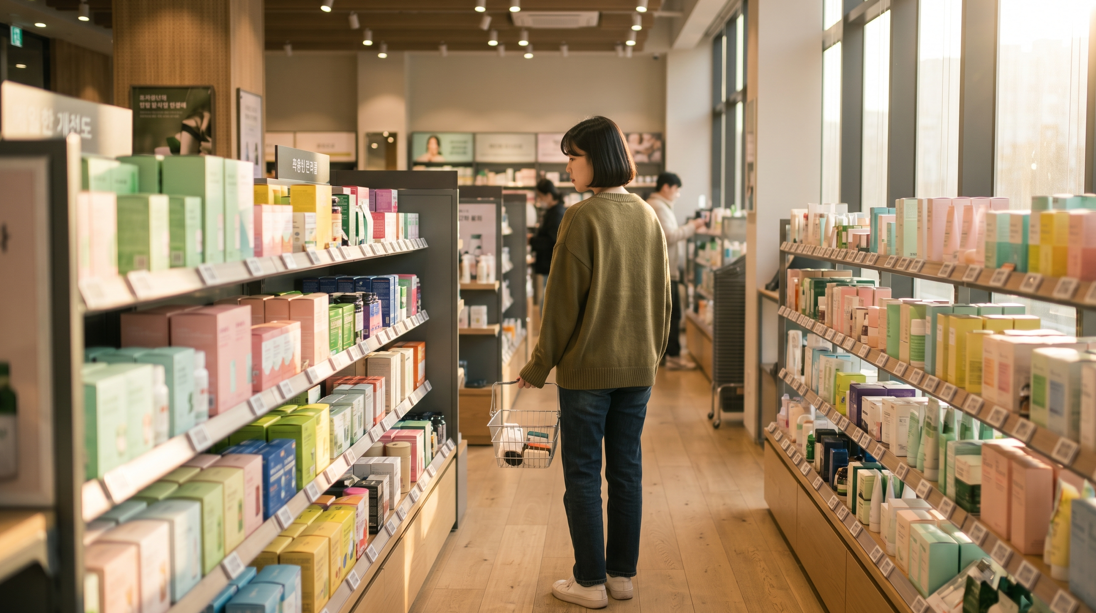
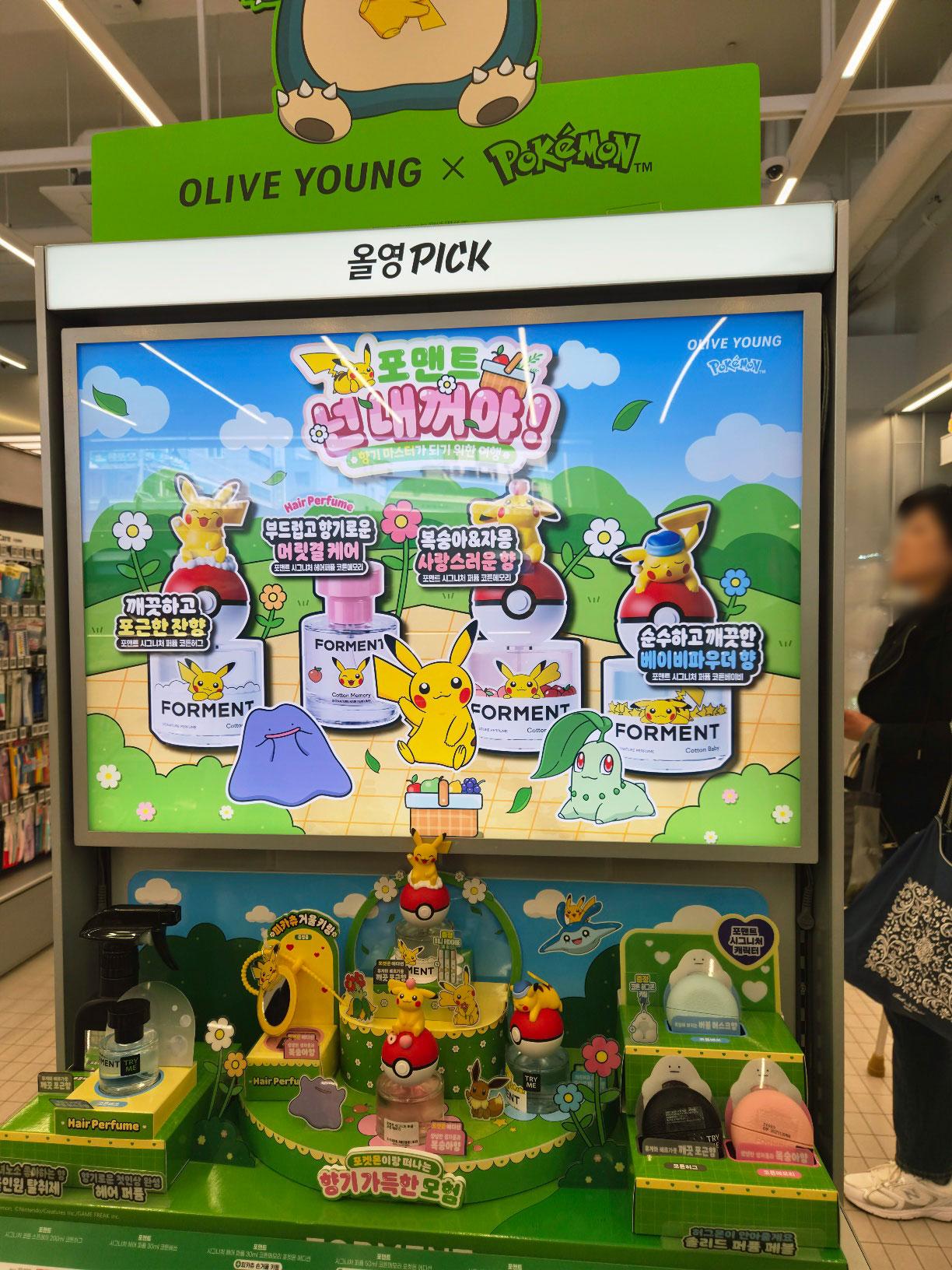
Why Koreans love a tiny packLook closely at the photo again. The supplements are split into Step 1 and Step 2, in different colored grains, in separate single-serving pouches. This is not an accident. It is one of the most Korean things a product can do.The wellness aisle here has gone fully micro-portion. Big tubs of pills are out. Daily kits are in. Brands like Foodology, with its viral red jelly stick, built entire empires on the same principle: one stick, one day, one job. There's a name for this trend among industry folks here, and it is essentially the idea that visual experience and convenience matter as much as ingredients. A pretty packet you can throw in your bag wins over a clinical-looking bottle, even if the formula inside is nearly identical.It also explains the "step" framing. Step 1, Step 2, sometimes Step 3. It mirrors the K-beauty logic that conditioned a whole generation to think of self-care as sequential. Toner, then essence, then serum. Now: detox grain Monday, sustain grain Tuesday. The packaging does half the persuading.So, should you try it?This is the question I get from every visitor who stares at the yellow sign too long. I am not a doctor and I will not pretend to be one. But here is what I would actually consider before tossing a packet into the basket.Check the back of the package for the health functional food seal from the Ministry of Food and Drug Safety. That little mark is the difference between a product that has been reviewed for safety and one that is just food in a clever wrapper. If you're already taking medication, especially anything for blood pressure, diabetes, or blood thinning, ask a pharmacist before you mix. Most Korean pharmacists speak enough English to handle the basics, and the conversation is free.And maybe set your expectations. A seven-day course is not going to melt away years of late-night fried chicken. It will probably make you visit the bathroom more, feel a little less bloated, and give you a souvenir you can show off on Instagram. That is genuinely most of the point. The Korean wellness aisle is not really about transformation. It is about a small, manageable ritual that makes your week feel a touch tidier.If you want the full experience without the gamble, walk into an Olive Young instead. The selection is wider, the lighting is better, and the staff will not chase you down the aisle. You can pick up a debloating tea, a collagen stick, and a sheet mask in the same trip. That, more than the belly fat pills, is the actual Korean wellness flex.Just maybe skip the yellow sign on the way out.