The Noodle Culture Korea Doesn't Fully Export
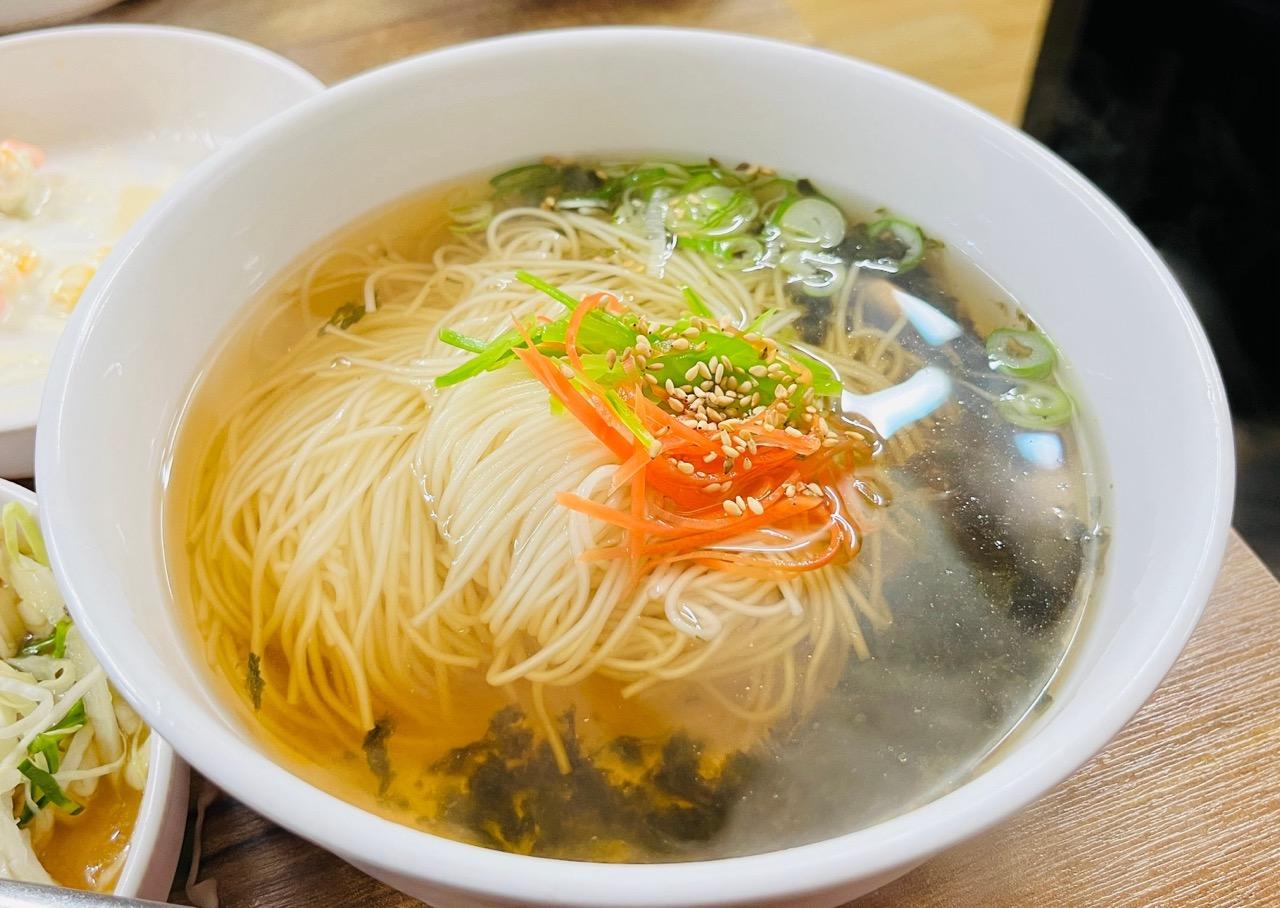
Korea has a deep and serious noodle culture that exists almost entirely in the shadow of its most famous export. Ramyeon is the one the world knows. But step inside any traditional Korean restaurant, look past the instant noodle aisle, and you'll find a world of noodles with centuries of history, distinct regional identities, and a complexity that rewards attention.
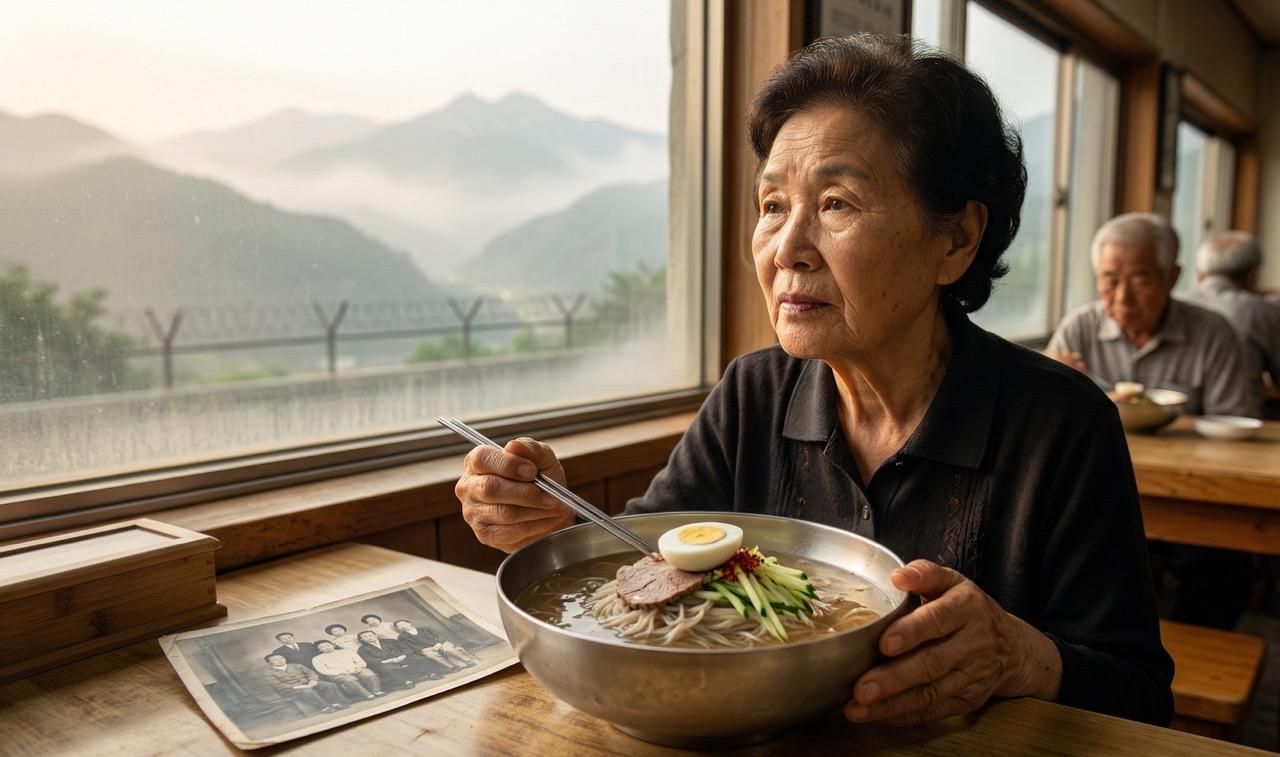
Naengmyeon — cold noodles — is perhaps the most culturally layered of them all. The dish originated in the northern regions of the Korean peninsula, in what is now North Korea, where buckwheat grew abundantly in the cooler climate. The noodles are made from buckwheat or starch, pulled to a remarkable thinness and served in a cold, slightly tart broth made from beef or dongchimi — the watery brine of radish kimchi. A slice of cold beef, half a boiled egg, and a few strips of cucumber complete the bowl.
What gives naengmyeon its particular emotional weight is its geography. The dish comes from a part of Korea that is now inaccessible, and for those with family ties to the northern regions, eating naengmyeon carries associations that go beyond flavor. The restaurants in Seoul that specialize in the Pyongyang or Hamheung styles of cold noodles are, for some diners, the closest they can get to a place they can no longer visit. It is one of those dishes where food and memory and history become genuinely inseparable.
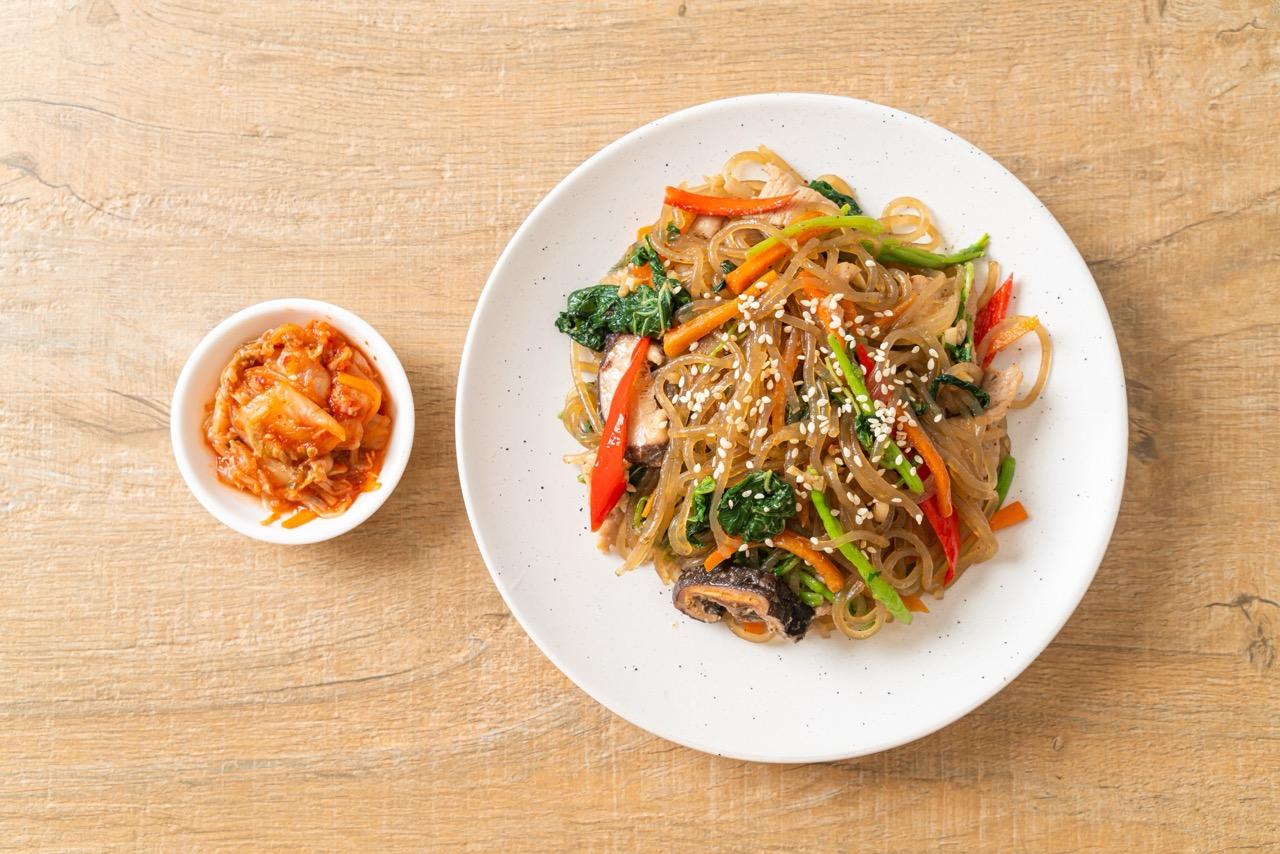
Japchae tells a different story. These glass noodles — made from sweet potato starch and characteristically translucent when cooked — are stir-fried with an assortment of vegetables and strips of beef, seasoned with soy sauce and sesame oil. The dish is sweet, savory, and slightly chewy, and it appears at almost every Korean celebration table: birthdays, holidays, family gatherings. There is a story that japchae was originally served to a Korean king who enjoyed it so much that it became a court staple. Whether that account is entirely accurate or partly legend, japchae has the energy of a dish that knows it belongs on a special occasion.
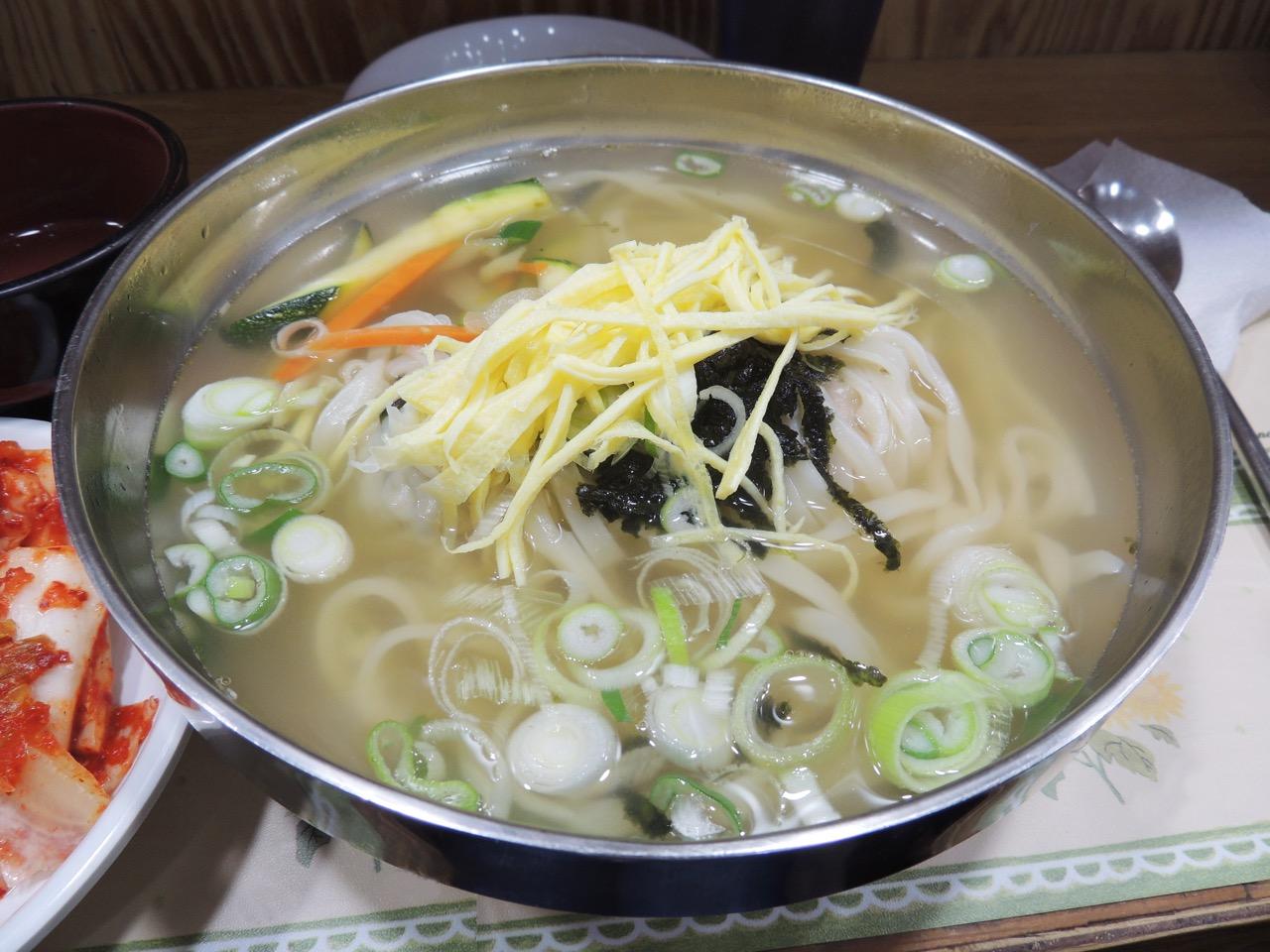
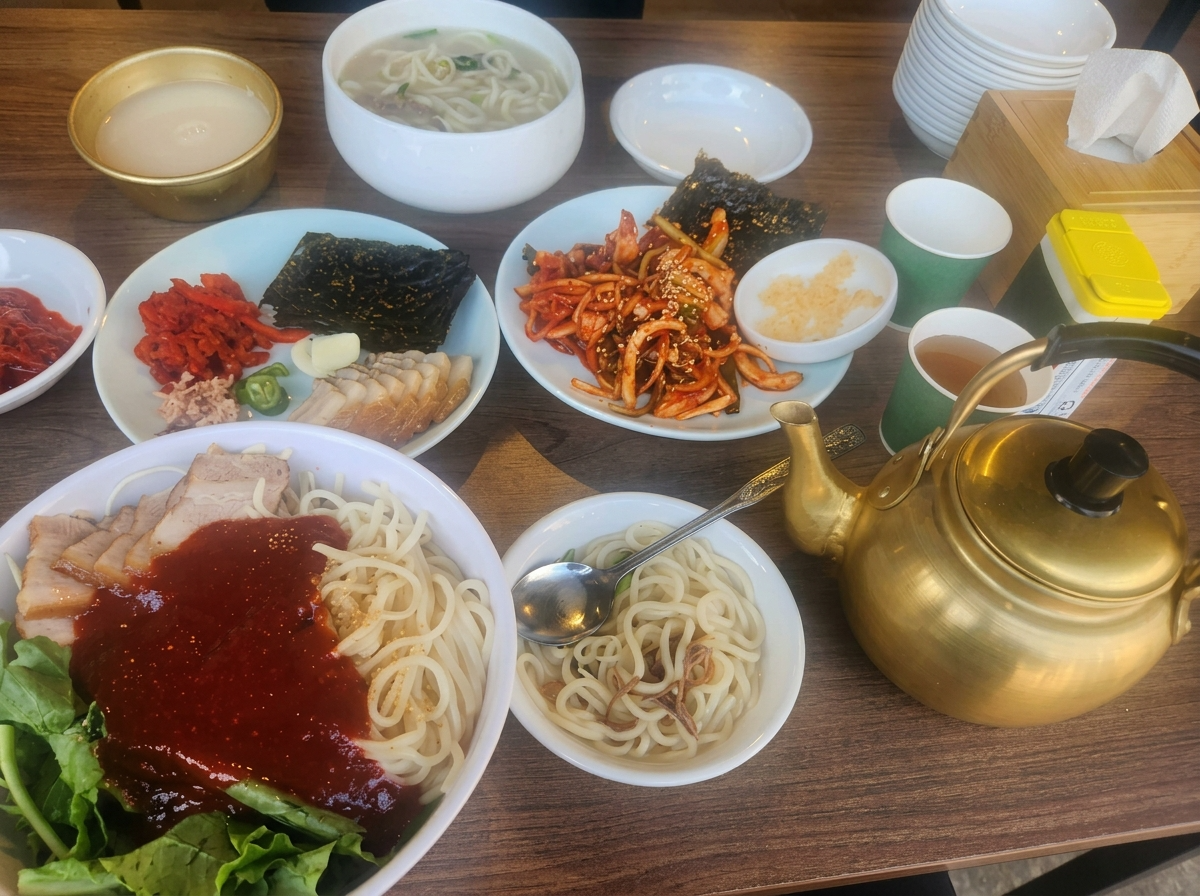
Kalguksu — knife-cut noodles — is the comfort food of Korean noodle culture. The name describes the method: dough is rolled flat and cut by hand with a knife into thick, irregular strands. The result is a noodle that is rough and chewy in a way that machine-made noodles never quite achieve. Served in a broth made from clams, anchovies, or chicken, kalguksu is the kind of food that appears in Korean literature and television as the meal someone makes for you when you're tired, sick, or just in need of something that feels like being taken care of.
What all of these noodles share — alongside the ramyeon that gets all the attention — is the Korean understanding that texture is a flavor. The chew of buckwheat, the slide of glass noodles, the roughness of hand-cut dough: these are not incidental qualities. They are the point.