How Korean Skincare Turned Unusual Discoveries Into Global Staples K-Beauty Blog Series | B-04 | Ready for Publication
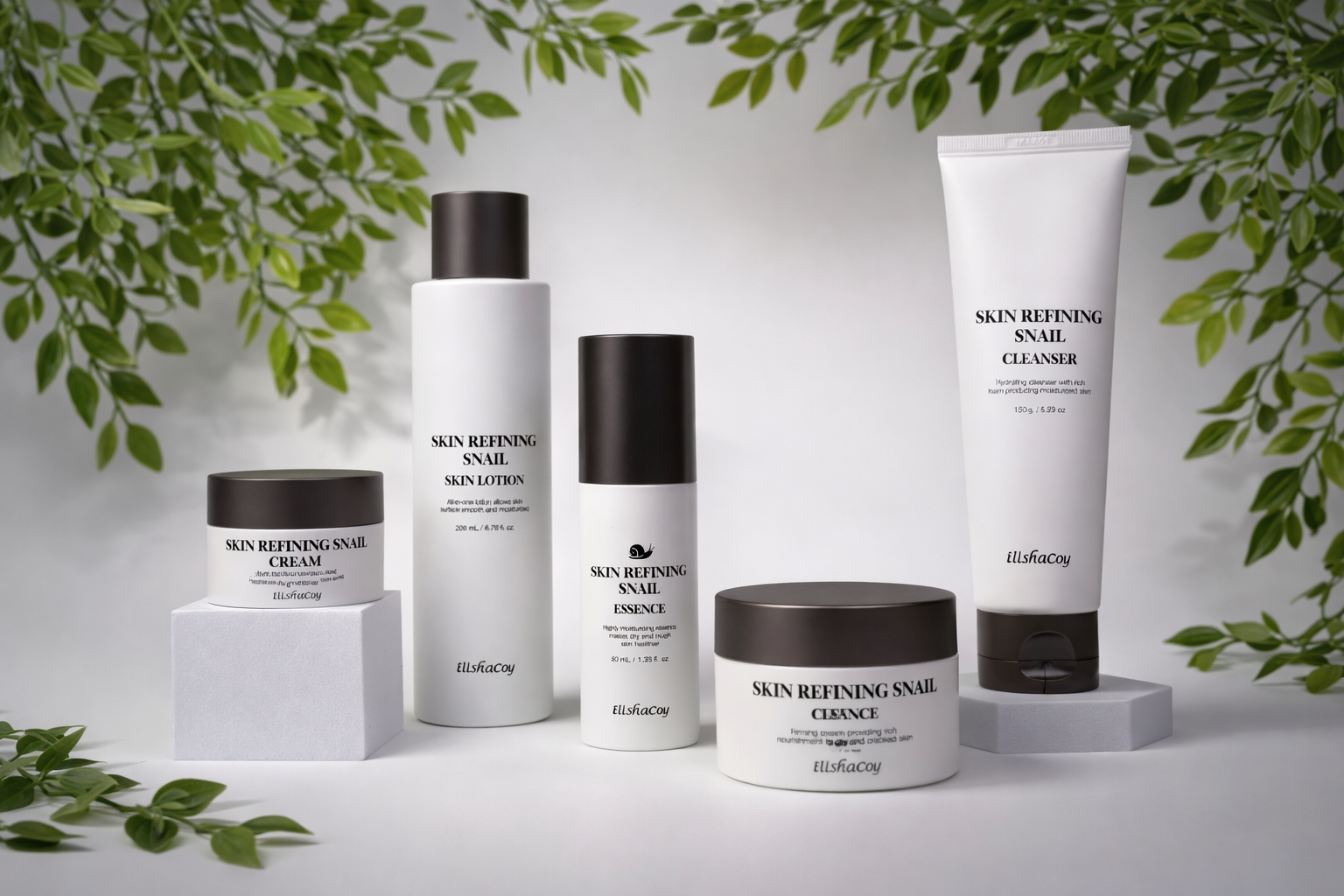
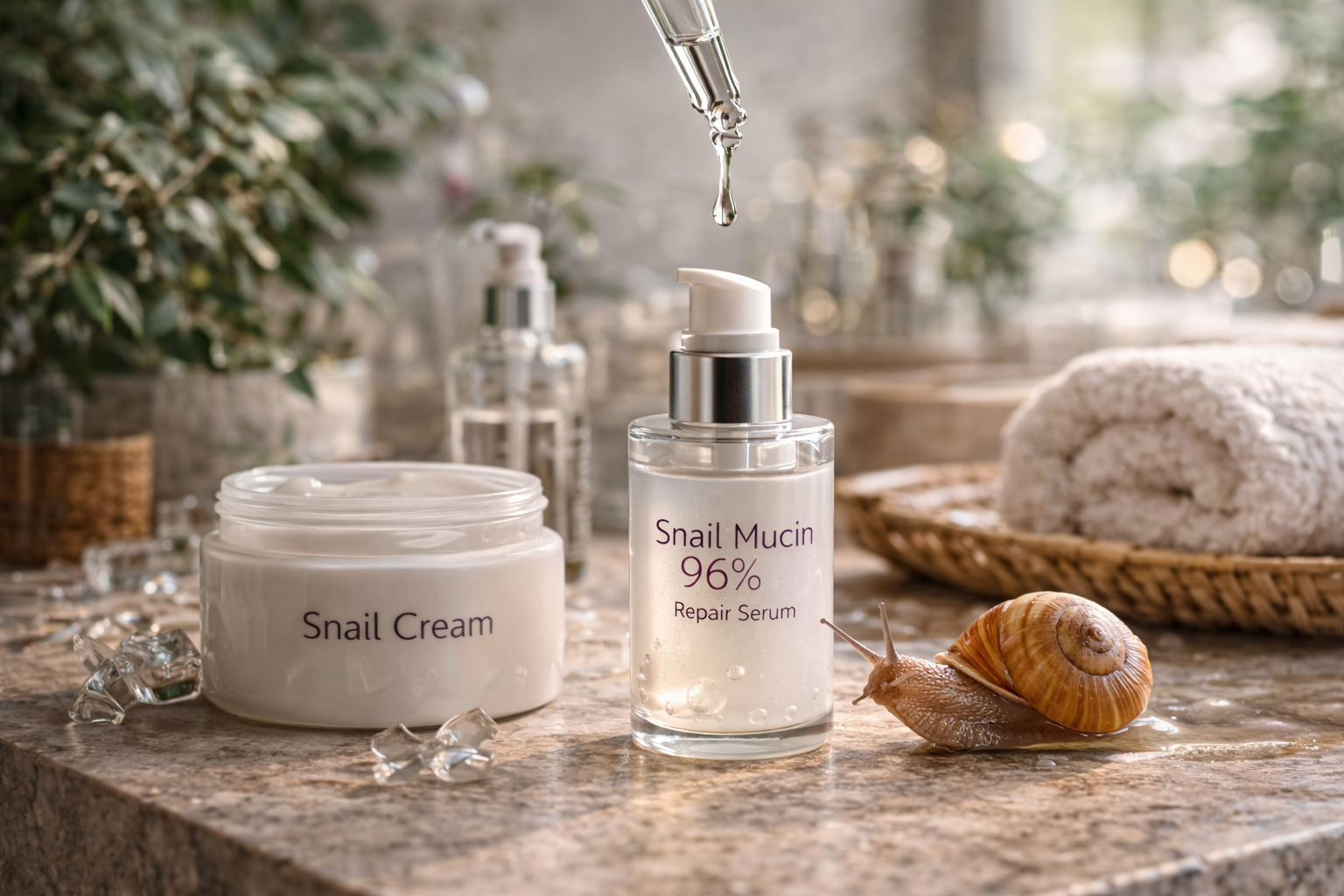
One of the more unusual entry points into Korean skincare is the moment you realize that the ingredient getting the most attention in your favorite serum comes from a snail. Snail mucin — the secretion that snails produce when moving or under stress — has become one of the most talked-about ingredients in global skincare, and its rise to prominence is a story that says a lot about how Korean beauty innovation actually works.
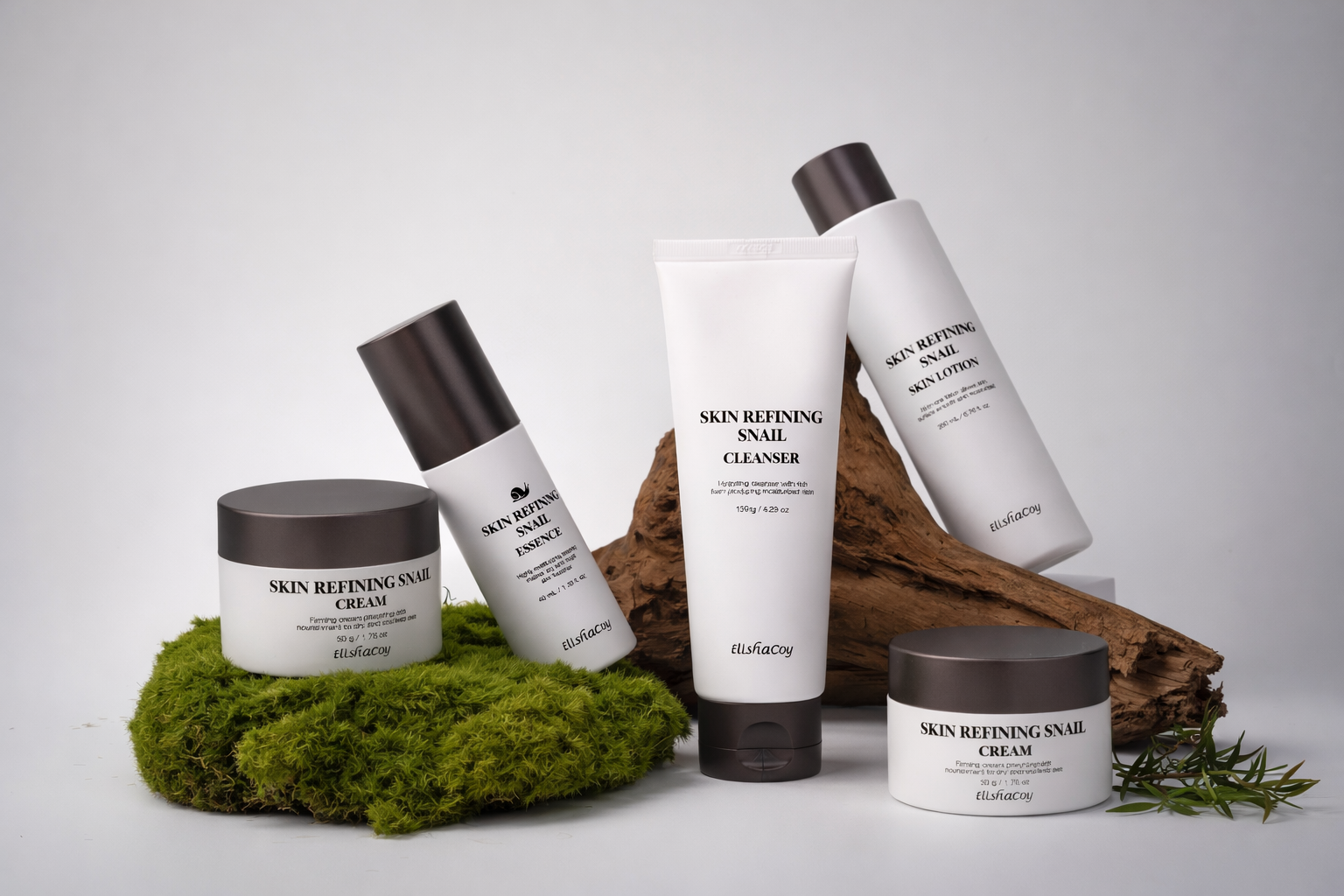
The discovery was, by most accounts, accidental. Workers at a snail farm noticed that their hands were unusually soft and that small cuts healed quickly. Researchers began investigating the properties of snail secretion filtrate and found that it contained a complex mixture of glycoproteins, hyaluronic acid, glycolic acid, and copper peptides — a combination of ingredients that support hydration, skin repair, and collagen production. Korean cosmetic companies, already predisposed toward ingredient-led innovation, developed stable formulations and brought snail mucin to a mass market that had previously never considered it.
Centella asiatica — known in Korea as cica — tells a similar story of traditional knowledge meeting modern formulation. Used in Asian herbal medicine for centuries, centella is known for its calming and healing properties. Korean skincare brands identified its potential for sensitive and compromised skin and developed centella-centred product lines that have become globally recognized as a go-to for redness, irritation, and barrier repair. The ingredient that Korean grandmothers might have known from traditional remedies is now a staple in dermatologist-recommended routines worldwide.
What these examples share is a pattern: Korean beauty takes seriously the idea that ingredients matter, and that the science of what goes into a product deserves as much attention as how the product looks or smells. The K-beauty industry invested heavily in ingredient research at a time when much of the global beauty market was still focused primarily on packaging and marketing. The result was a pipeline of novel actives — fermented ingredients, ceramides, niacinamide, propolis — that Korean brands brought to international consumers before they became mainstream elsewhere.
The global skincare conversation now regularly references K-beauty as the source of ingredients that seem strange at first and obvious in retrospect. That pattern — of novelty becoming necessity — is one of the defining characteristics of Korean beauty innovation.