Most regular soy sauce is brewed with wheat, but the link between soy sauce and gluten goes beyond one ingredient. A practical guide to Korean ganjang and the U.S. labels that matter for gluten-free cooking.
The short answer is no. Most regular soy sauce is not gluten-free, because wheat is one of its main ingredients, usually listed right beside the soybeans. If you cook Korean food, the longer answer matters too. Soy sauce and gluten have a complicated relationship: fermentation changes the wheat in ways current lab tests cannot fully read, and Korean ganjang (간장) is not one product but several.
Why Does Soy Sauce Contain Gluten?
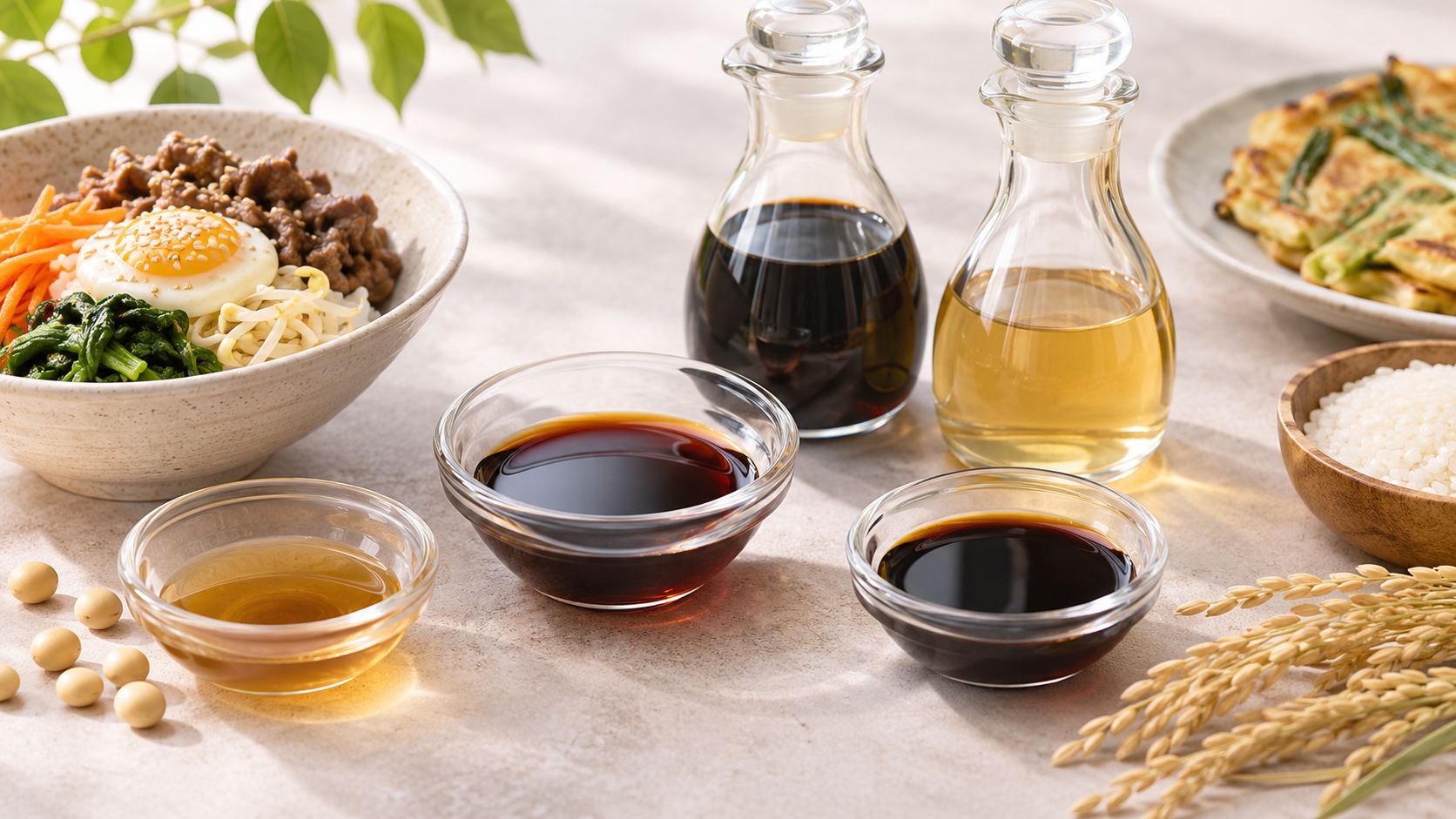
Brewed soy sauce is built on two ingredients that do different jobs. Soybeans supply most of the protein behind its savory flavor, while roasted wheat supplies starch that the koji mold turns into sugars and aroma. Wheat also brings gluten, the protein people with celiac disease must avoid.
During months of brine fermentation, enzymes cut that gluten into smaller and smaller fragments. A 2017 FDA-funded study followed gluten through each stage of soy sauce production and found it easy to measure early on, then below the detection limit of every test used once the brine stage was complete; finished commercial soy sauces tested the same way. A smaller 2023 screening of soy sauces sold in the United States reported negative results for most of the wheat-based bottles it checked.
It is tempting to read those results as proof of safety, and that would be a mistake. The 2017 researchers themselves wrote that more work is needed to show whether every immune-triggering fragment is gone, and the FDA takes the same cautious view. It does not treat fermentation as a way of removing gluten, and since 2020 a fermented food can carry a “gluten-free” label only if its ingredients met the gluten-free standard before fermentation began. Wheat-based soy sauce cannot meet that test, so in the United States it cannot be sold as gluten-free, whatever a lab result shows. “Not detected” describes the limit of a method, not a guarantee about what is safe to eat.
Korean Soy Sauce: What Makes Ganjang Different?
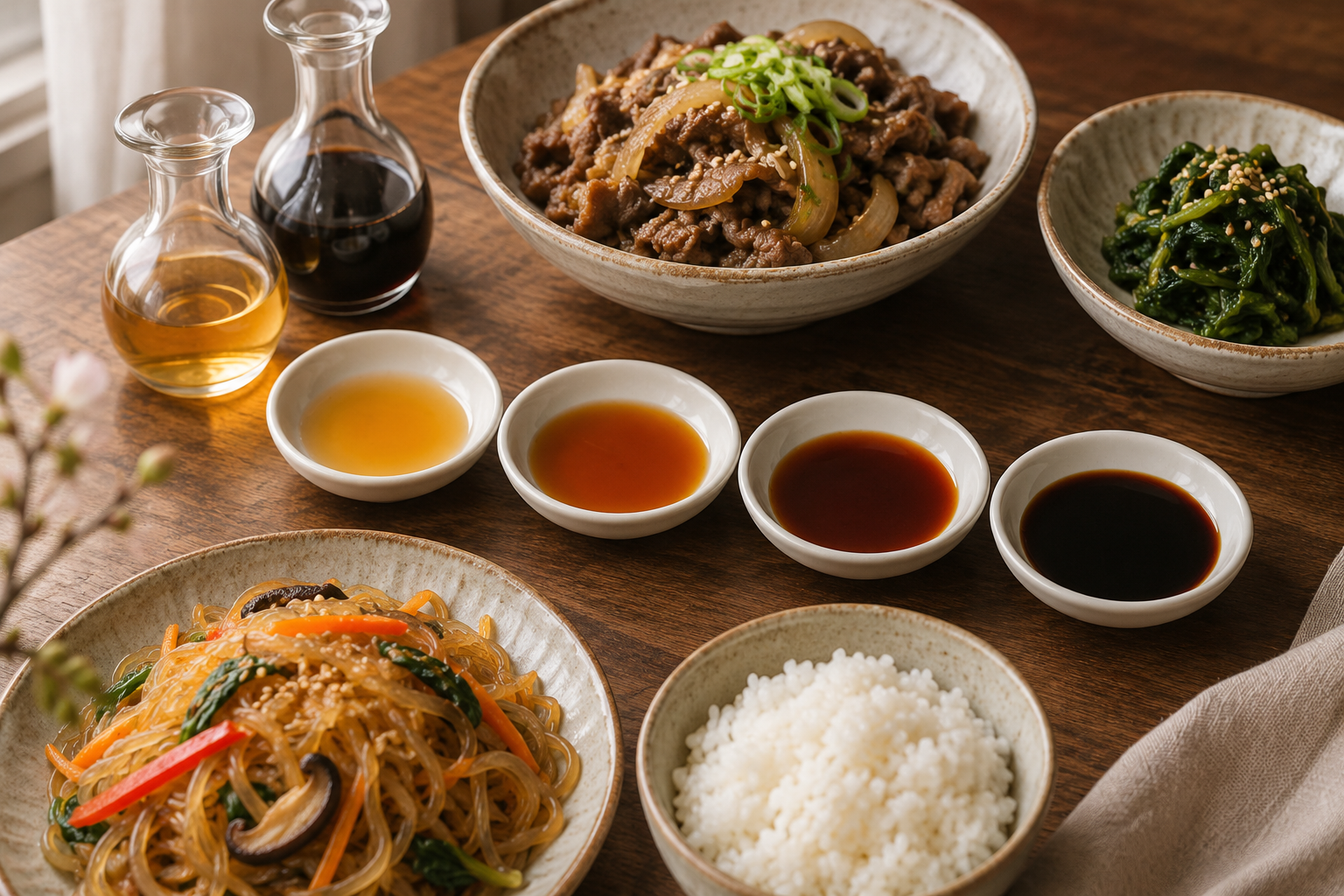
Korea’s food code sorts ganjang by how it is made rather than by what it is called, and the name on the front of a bottle does not always match the food type printed on the back. Four terms come up most often:
- Guk-ganjang (국간장), or soup soy sauce, is traditionally a hansik ganjang (한식간장), made by steeping meju, blocks of fermented soybeans, in brine. It is lighter in color and is used to season clear soups and namul without darkening them.
- Yangjo ganjang (양조간장), or brewed soy sauce, is fermented with a koji culture, typically from soybeans along with wheat or barley. Its rounder aroma suits dipping sauces and uncooked dressings.
- Jin-ganjang (진간장) is the dark, all-purpose soy sauce behind bulgogi and braised dishes. It is a market name, not a legal category.
- Honhap ganjang (혼합간장), or blended soy sauce, mixes brewed soy sauce with acid-hydrolyzed soy sauce. Many popular jin-ganjang bottles belong to this group.
For a gluten-free diet, the lesson is that the name tells you very little. Traditional soup soy sauce starts from soybeans, but some bottles sold as guk-ganjang are blends, and any of these styles may include wheat depending on the maker. The ingredient list is the only reliable guide.
Gluten-Free Alternatives to Soy Sauce
Each common substitute works in Korean recipes, with its own trade-offs:
- Soy sauce labeled gluten-free. Several brewers make versions that use rice in place of wheat. Its flavor stays closest to the original, so it is the easiest swap.
- Tamari. This Japanese-style sauce is traditionally made with little or no wheat and tastes richer than regular soy sauce. “Little” is not “none,” however; some tamari does contain wheat, so choose a bottle labeled gluten-free.
- Coconut aminos. Made from fermented coconut sap and salt, it contains neither soy nor wheat. It is noticeably sweeter and milder, so reduce the sugar in a marinade and taste for salt.
- Liquid aminos. This is a separate product made from soy protein, and the name overlaps with coconut aminos, so read the ingredients to know which one you are holding.
Cooking Korean Food Without Regular Soy Sauce
Bulgogi (불고기) marinade depends on jin-ganjang, sugar, garlic, and sesame oil, and a gluten-free soy sauce or tamari can go in at the same ratio. Japchae (잡채) gets its glossy brown seasoning from soy sauce, and the package of glass noodles is worth a look too. Namul, the seasoned vegetable side dishes, often take a small spoonful of soup soy sauce, and jangjorim (장조림) simmers beef in soy sauce until the sauce becomes the main flavor.
Soy sauce is rarely the only concern. Gochujang (고추장) often contains wheat or barley malt, and premixed bulgogi marinades and dipping sauces usually start with regular soy sauce. Gluten-free gochujang does exist, but you will have to look for the label. At restaurants, especially Korean barbecue, assume marinated meats contain regular soy sauce unless the staff can confirm otherwise.
What to Check Before Buying Soy Sauce
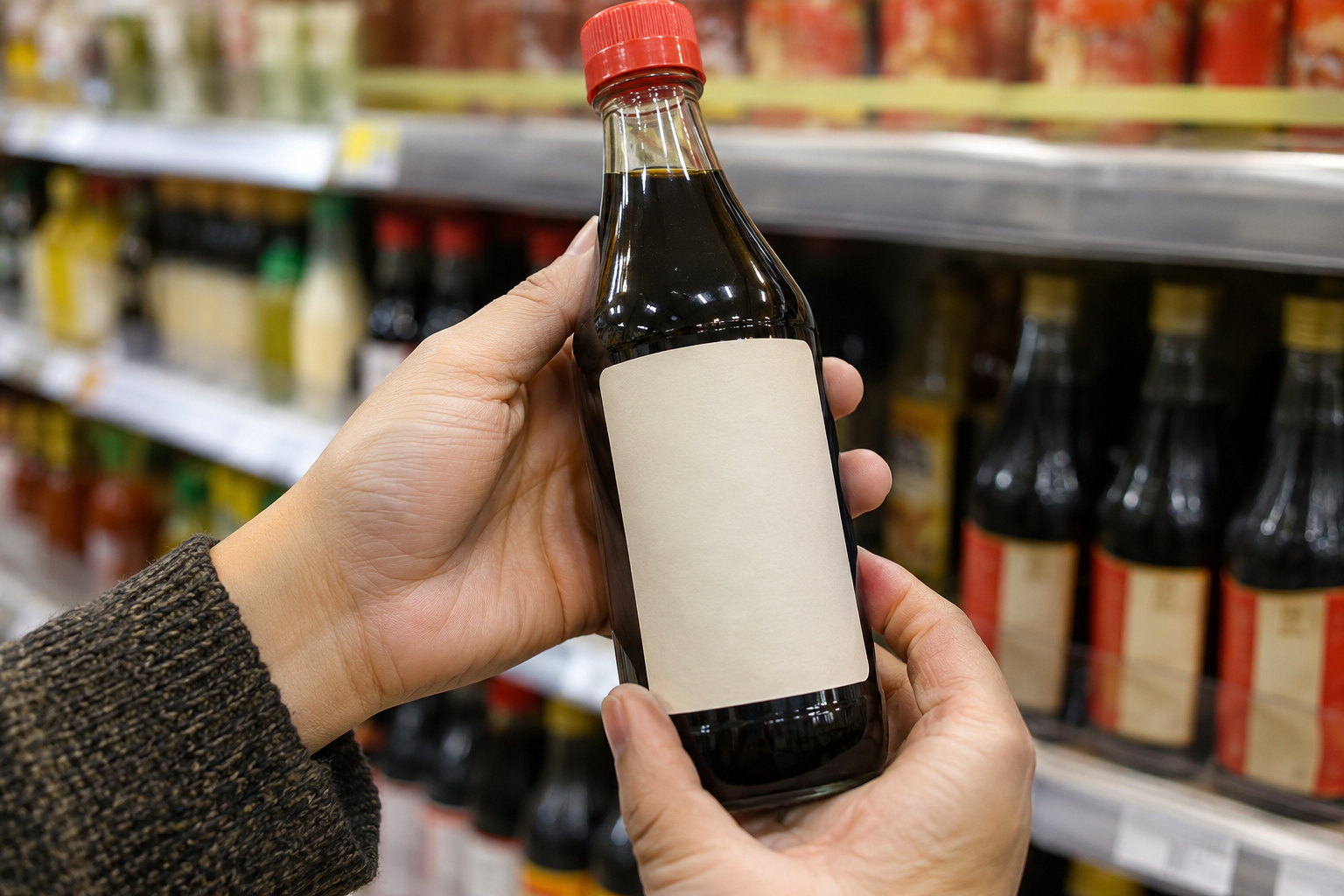
In the United States, a few parts of the label do most of the work:
- The ingredient list and “Contains” statement. Wheat is a major food allergen under federal law, so it must be named. Barley and rye are not on that list, which means barley or malt can appear in the ingredients without any “Contains” warning.
- A “gluten-free” claim. The term is voluntary, but when a manufacturer uses it, the food must meet the FDA standard of less than 20 parts per million of gluten. For a fermented product like soy sauce, the ingredients must also have qualified before fermentation.
- “Wheat-free” wording. It helps, but wheat-free is not the same as gluten-free if barley is in the bottle.
- Manufacturer details and cross-contact. Certification logos are optional, and the FDA does not endorse any program. If a label is unclear or mentions shared equipment, ask the manufacturer.
A Note for Strict Gluten-Free Diets
For people with celiac disease, the margin for error is small. Products labeled gluten-free are a safer choice than bottles that simply leave wheat off the ingredient list. A doctor or registered dietitian can help with anything a label does not settle, including restaurant meals. People with a wheat allergy face similar questions and should get the same individual advice.
The useful question, in the end, is not whether a sauce is brewed or traditional, Korean or Japanese. It is what the bottle in your hand is made from, and what its label is allowed to promise.