Master the Art of Gimbap: It All Starts with the Perfect Sheet of Gim
If you’ve ever wanted to make authentic Korean Gimbap at home, you might think the secret is in the fillings. But any Korean grandmother will tell you: The secret is the Gim (seaweed).
Before you start rolling, you need to understand that not all seaweed is created equal. Today, we’re exploring the different varieties of Korean Gim and how to pick the best ones.
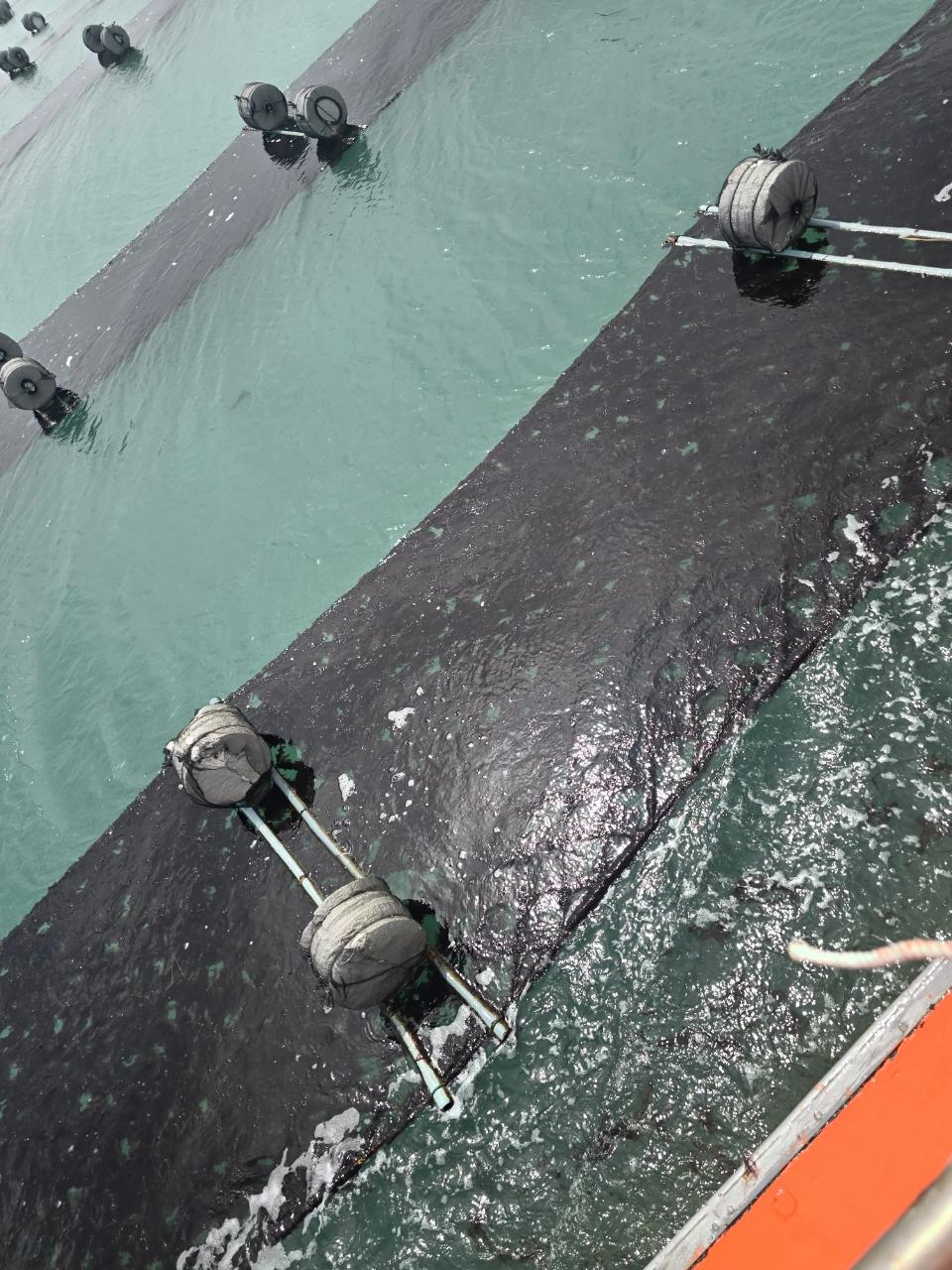
1. Which Gim Should You Choose?
In Korea, we categorize Gim by its texture and how it’s harvested. Here are the most popular types you’ll find
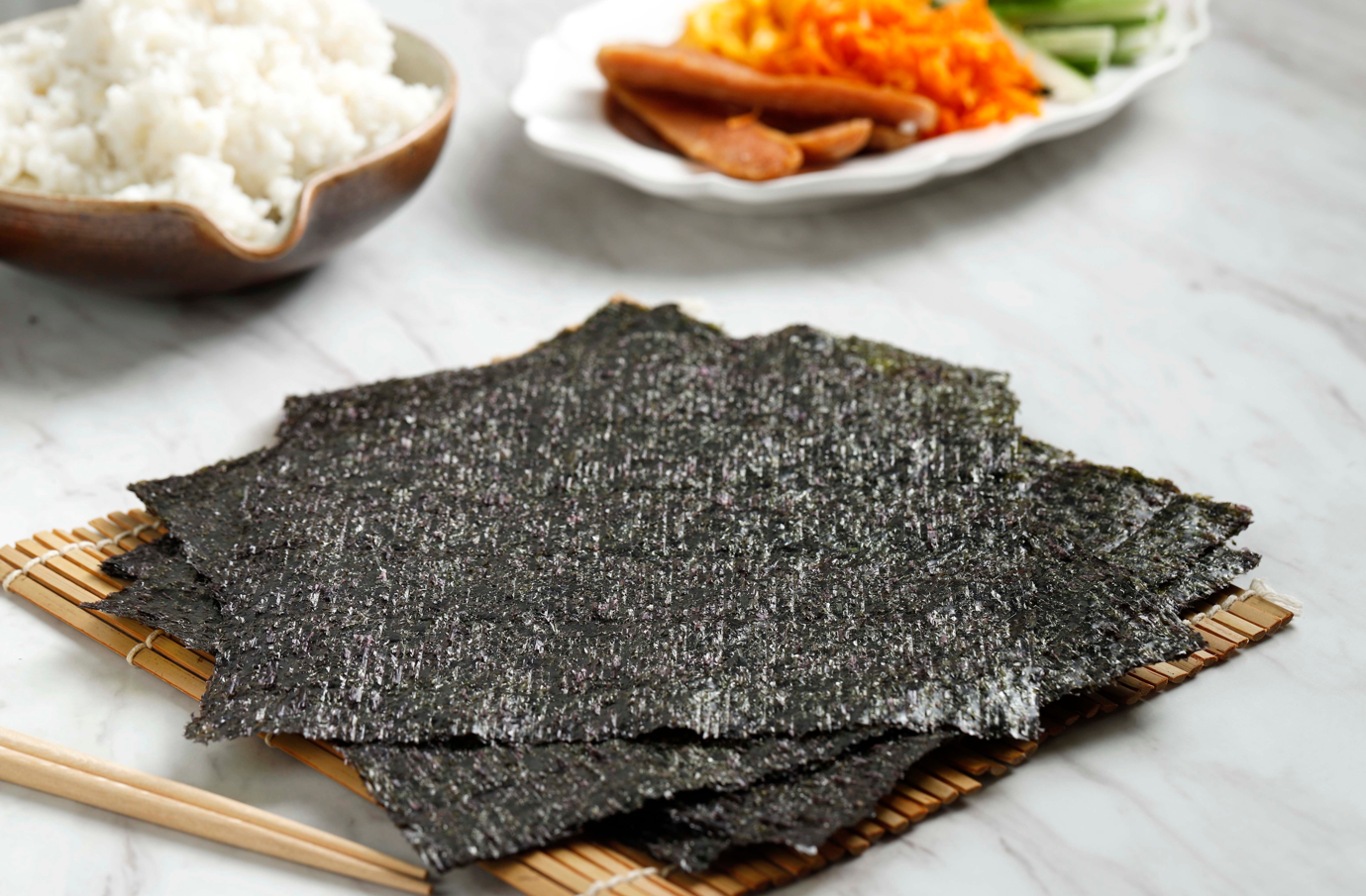
- Cham-Gim (Gimbap Grade): This is the "gold standard" for rolling. It has a smooth, tight weave with no holes. It’s sturdy enough to hold moist rice and heavy fillings without tearing. If you're planning to make Gimbap, this is the one you want.
- Gopchang-Gim (The Ultra-Premium Choice):This is the first harvest of the season, and it is incredibly rare. Because most of this top-tier production is reserved for high-end exports, even in Korea, it is difficult to find this level of quality. Texture & Taste: These handmade sheets are thick, crunchy, and possess a natural, sophisticated sweetness.How to Enjoy: It is best enjoyed raw to appreciate its pure flavor. Simply tear a piece and dip it into a light soy-based sauce for the ultimate gourmet experience.
- Dol-Gim (Wild Stone Seaweed): This variety has a rougher texture and a bold, smoky ocean flavor. It’s perfect for those who love an extra-crispy crunch.
- Parae-Gim (Fragrant Green Seaweed): Infused with green laver, it has a beautiful herbal aroma. It’s light, refreshing, and great for simple wraps.
2. Pro-Tips for Picking High-Quality Gim
Since we’re talking about unseasoned, raw sheets, you have to be a bit of a detective to find the best quality
- The Deep Black Shine: Premium Gim should be a deep, dark black with a hint of forest green and a natural gloss.
- The "Purple" Warning: If the seaweed has a reddish or purple tint, put it back!Why does it turn purple? Seaweed turns purple when exposed to too much heat, light, or moisture. This means the chlorophyll has broken down, and the seaweed will likely taste bitter and lose its fresh aroma.
- Uniform Density: Hold a sheet up to the light. For Gimbap, you want a sheet that is dense and consistent, so your roll stays tight and secure.
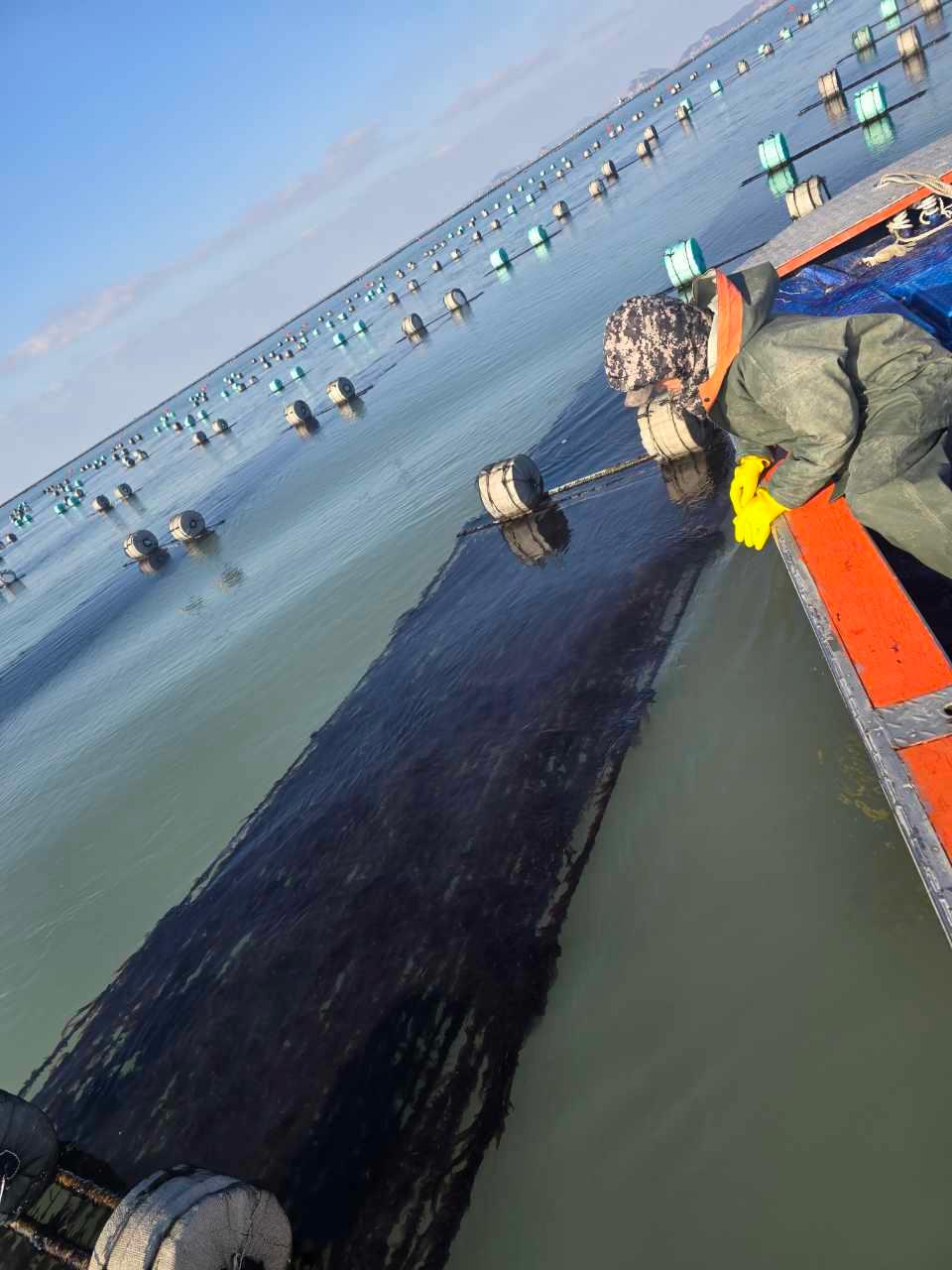
3. Get Ready to Roll!
Choosing the right Gim is the first step toward becoming a Gimbap master. Starting with fresh, unseasoned sheets allows you to taste the pure, clean "gold" of the Korean sea.
Make sure to grab the freshest, deepest black sheets on your next shopping trip. You’ll definitely taste the difference in your next meal!
And don't go too far—in our next post, we’ll finally show you how to use these perfect sheets to make delicious, restaurant-quality Gimbap at home.
#Master the Art of Gimbap #Korean seaweed types Gim vs Seaweed #How to choose high quality Gim #Why is my seaweed purple #Cham-Gim for Gimbap #Seongnam Pavilion K-Food #Premium Korean seaweed guide #Korean Seaweed #Guide Gimbap vs Sushi Grade Seaweed #What is Gopchang Gim #Health Benefits of Roasted Seaweed #How to choose high quality Gim #Seongnam Pavilion Beauty and Living #K-Food Trends #Delicious seaweed