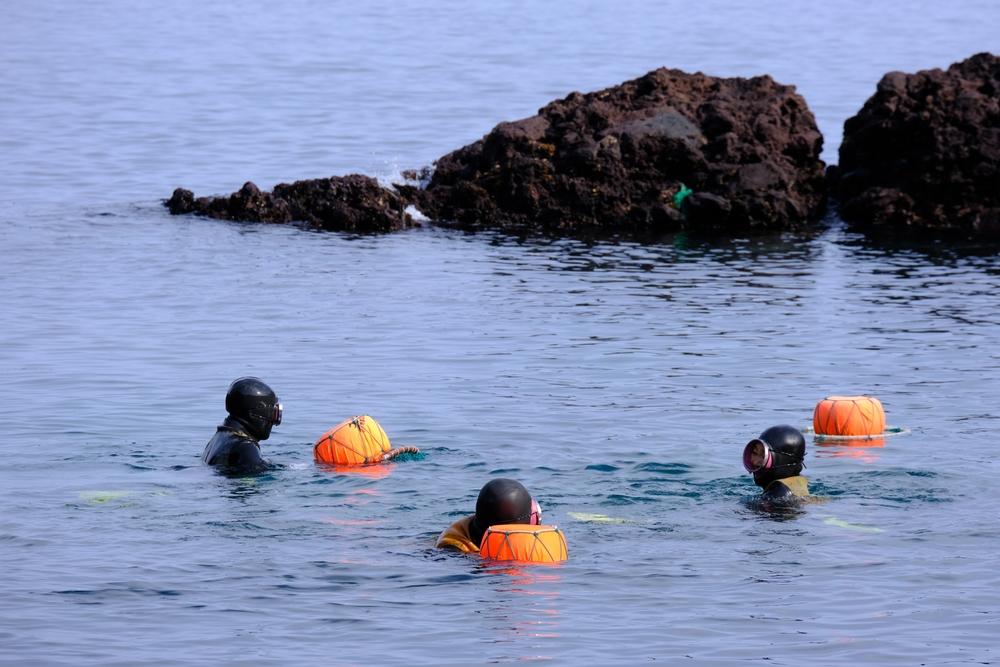
Every spring, the sea around Jeju Island quietly changes. The water warms by just a few degrees. Seaweed begins to grow thick along the rocky shallows. And the haenyeo — Jeju's legendary female divers — pull on their wetsuits and walk back into the ocean.
ㅤㅤㅤㅤㅤㅤ
Not Just a Job. A Life Lived by the Sea's Calendar.
The haenyeo (해녀) are one of Korea's most recognized cultural symbols, and UNESCO agrees — their tradition was inscribed on the Intangible Cultural Heritage list in 2016. But what most visitors don't realize when they watch a diving demonstration or buy a photo postcard is this: the haenyeo don't dive year-round. Their work is deeply seasonal, governed not by a human schedule but by the rhythms of the sea itself.
Spring — roughly from March through May — is when everything accelerates. Water temperatures climb from the near-freezing cold of winter into a range where abalone, sea urchin, and conch become both abundant and accessible in shallower waters. This is the haenyeo's most productive window, and for many of the older women who still practice the craft, it is the season that defines the year.
ㅤㅤㅤㅤㅤㅤㅤㅤㅤ
What They Harvest, and Why Spring Changes Everything
The haenyeo dive without oxygen tanks. They descend on a single breath, sometimes to depths of ten meters or more, and they resurface again and again — dozens of times in a single session. In winter, the cold limits how long a body can sustain that cycle. But in spring, the shallows warm first, and that is where the most valuable catches are found.
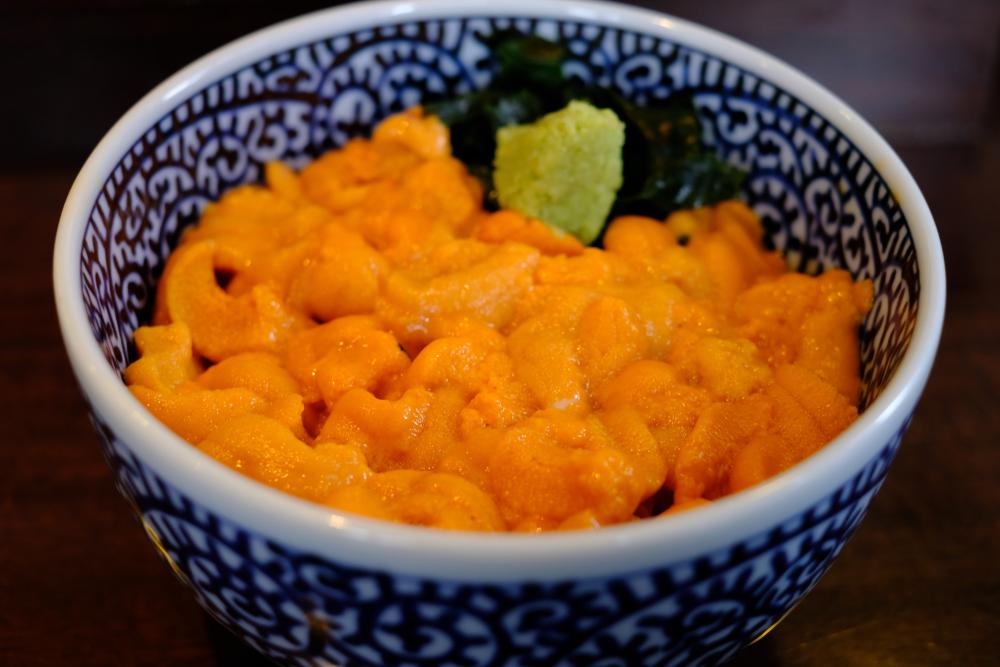
Abalone (jeonbok) is the prize of the spring season. Slow-growing and intensely flavored, Jeju abalone is considered some of the finest in Korea, and the haenyeo's hand-harvesting method — selecting only mature specimens and leaving juveniles untouched — is part of what makes it sustainable. Sea urchin (성게) also peaks in spring, its golden roe reaching peak richness just as the water warms. Locals eat it raw over rice, stirred into seaweed soup, or spooned straight from the shell.
For the haenyeo, this seasonal bounty is not just food. It is income, identity, and community.
ㅤㅤㅤ
The Bulteok: Where the Ritual Begins and Ends
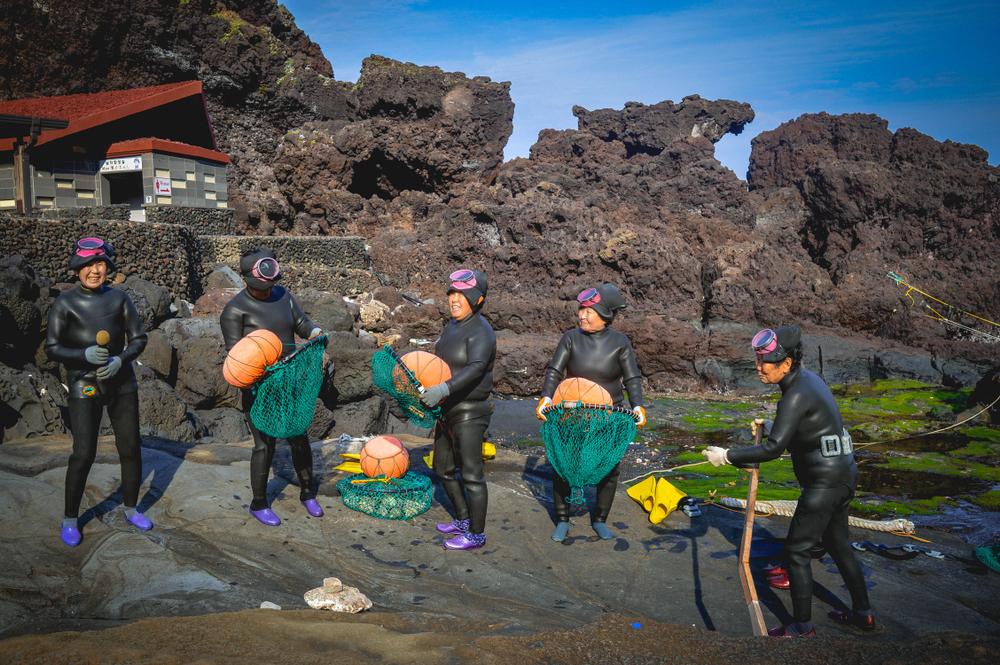
Before and after each dive, haenyeo gather at a structure called the bulteok (불턱) — a circular stone windbreak built near the shore. Traditionally, these were open-air gathering spots where divers warmed themselves around a fire after emerging from cold water. Today, many have been replaced with simple heated changing rooms, but the social function remains unchanged.
The bulteok is where dive plans are made, where harvests are discussed, where younger divers learn from older ones, and where the community of women holds itself together. In spring, the bulteok is at its most alive. Conversations about water conditions, seaweed growth, and abalone populations run alongside the everyday talk of families, weather, and village news. For those who get to observe this space — and it remains largely private — it offers a window into a social world that has existed largely unchanged for centuries.
ㅤㅤㅤ
A Tradition That Is Also a Race Against Time
The average age of a practicing haenyeo today is over sixty. In some villages, it is closer to seventy. Young women from Jeju rarely choose the profession — the work is physically demanding, economically uncertain, and tied to a rural, sea-based life that feels distant from modern Korean ambitions.
Spring diving season makes this tension visible. When the water warms and the older women return to the shallows, there are simply fewer of them each year. The UNESCO designation brought global attention and some renewed interest among younger Jeju women, but numbers have not recovered meaningfully.
What this means is that each spring season is, quietly, a more precious one than the last. Watching a haenyeo surface from the water, drop her catch into the net buoy floating beside her, take a single breath, and descend again — you are watching something the world is slowly running out of.
ㅤㅤㅤ
How to See It Respectfully
If you're visiting Jeju in spring, the haenyeo are not hard to find — but they are easy to intrude upon. The dive sites along Jeju's coast are working spaces, not performances.
The best way to engage with haenyeo culture is through Jeju's official haenyeo experience centers, where retired divers explain the history, techniques, and daily realities of the profession. The Haenyeo Museum in Gujwa-eup is also worth a visit — small, unhurried, and genuinely moving.
And if you find yourself near a shore where haenyeo are diving on a spring morning — mist still on the water, the sound of the sumbisori (their high, whistling exhale on surfacing) cutting through the quiet — stay back, stay silent, and just watch. Some things don't need to be photographed to be remembered.
ㅤㅤㅤ
A Few Things to Know Before You Go
- Spring diving season runs roughly March to May, with April considered peak season.
- Haenyeo typically dive in the early morning, finishing by midday.
- Udo Island (a short ferry from Seongsan) offers accessible haenyeo viewing and fresh sea urchin rice bowls.
- The Jeju Haenyeo Festival is held annually in late spring — check local listings for exact dates.
ㅤㅤㅤ
ㅤㅤㅤㅤㅤㅤ
#Haenyeo #JejuIsland #KoreanCulture #SeaWomen #VisitJeju #KVibe #UNESCOHeritage #SpringKorea