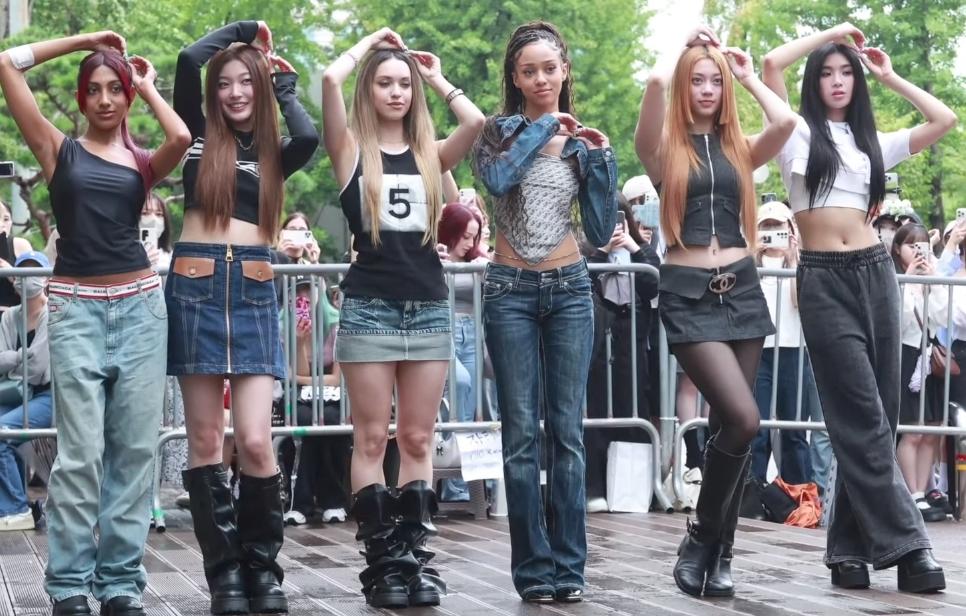
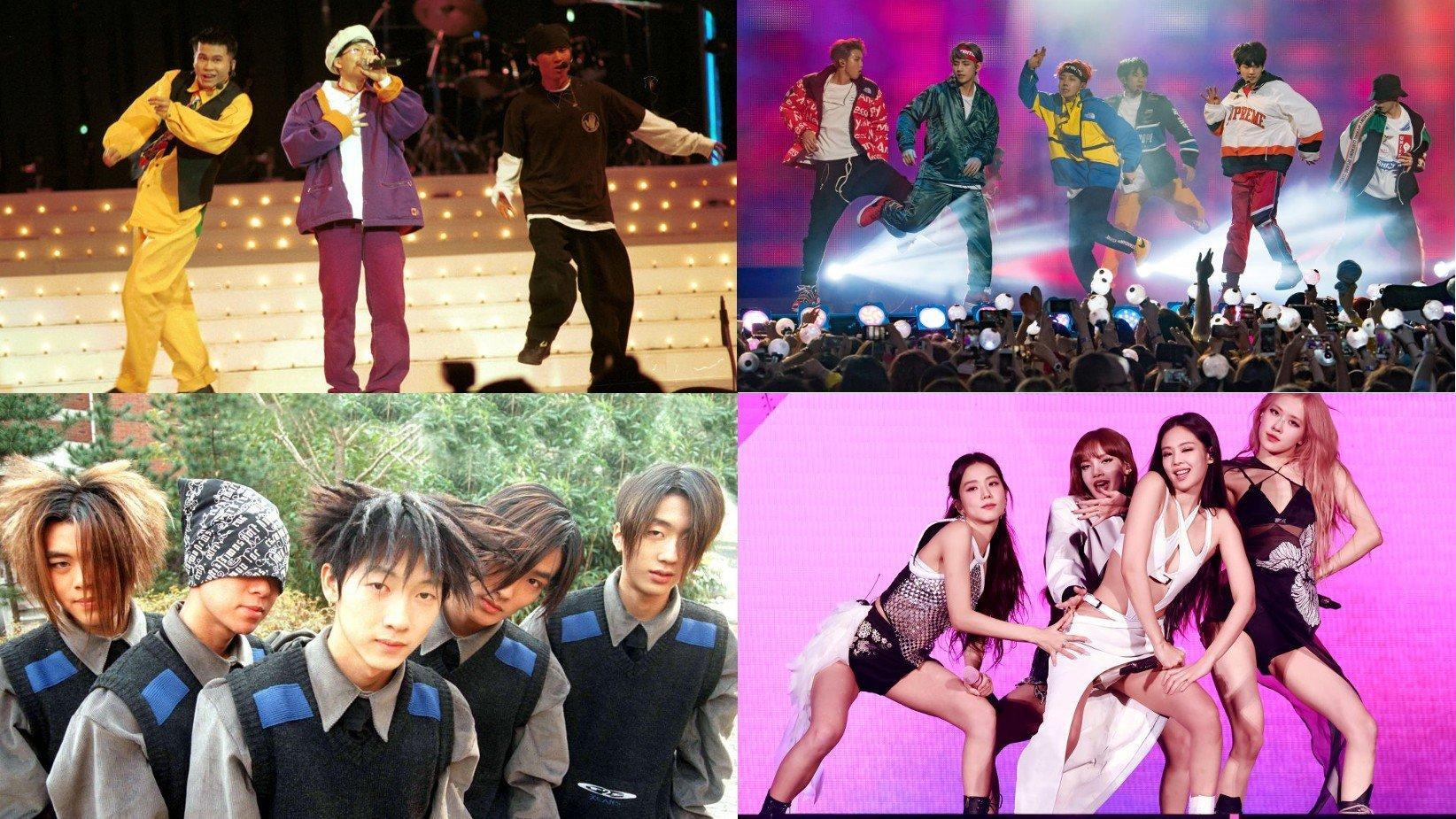
(Photos: JTBC PLUS/ImaZinS Editorial; RB/Bauer-Griffin/GC Images; Emma McIntyre/Getty Images for Coachella; JTBC PLUS/ImaZinS Editorial)
Korea's music industry didn't stumble into global fame — it was engineered. Behind every polished performance and perfectly synchronized dance routine is a system built over decades, quietly transforming a small domestic music scene into one of the world's most recognizable cultural exports.
It started in the early 1990s, when Lee Soo-man, the founder of SM Entertainment, returned from studying in the United States with a vision. He observed how the American entertainment industry packaged its talent, and he asked a simple but ambitious question: what if Korea could do the same, but with even more intention and precision? What followed was the birth of what Koreans now call the "idol training system" — a structured, multi-year program designed to shape not just singers and dancers, but complete entertainers.
Young trainees — some as young as eleven or twelve — audition for major agencies like SM, JYP, and YG. If accepted, they enter a world of daily vocal lessons, choreography sessions, language classes, and image coaching. Many trainees spend years without ever making their public debut. But for those who do make it through, the reward is a debut under a professionally crafted group identity, complete with a fan name, signature color, and a custom lightstick.
What makes K-POP distinct isn't just the music itself — it's the totality of the package. An idol group isn't simply a band that releases songs. It's a carefully constructed world with a concept, a visual identity, and a narrative arc that fans follow across albums, music videos, reality shows, and social media. When BTS released their "HYYH" (Hwa Yang Yeon Hwa) series, fans spent months piecing together stories hidden in lyrics, visuals, and short films. This kind of deep engagement is not accidental. It is designed.
The three major agencies — often called "the Big Three" — each brought their own signature style. SM Entertainment became known for polished visuals and synchronized performances. JYP Entertainment emphasized natural charm and likeability. YG Entertainment leaned into hip-hop influences and raw artistic expression. Over time, newer agencies joined the landscape. HYBE, which manages BTS, eventually grew large enough to reshape the entire industry.
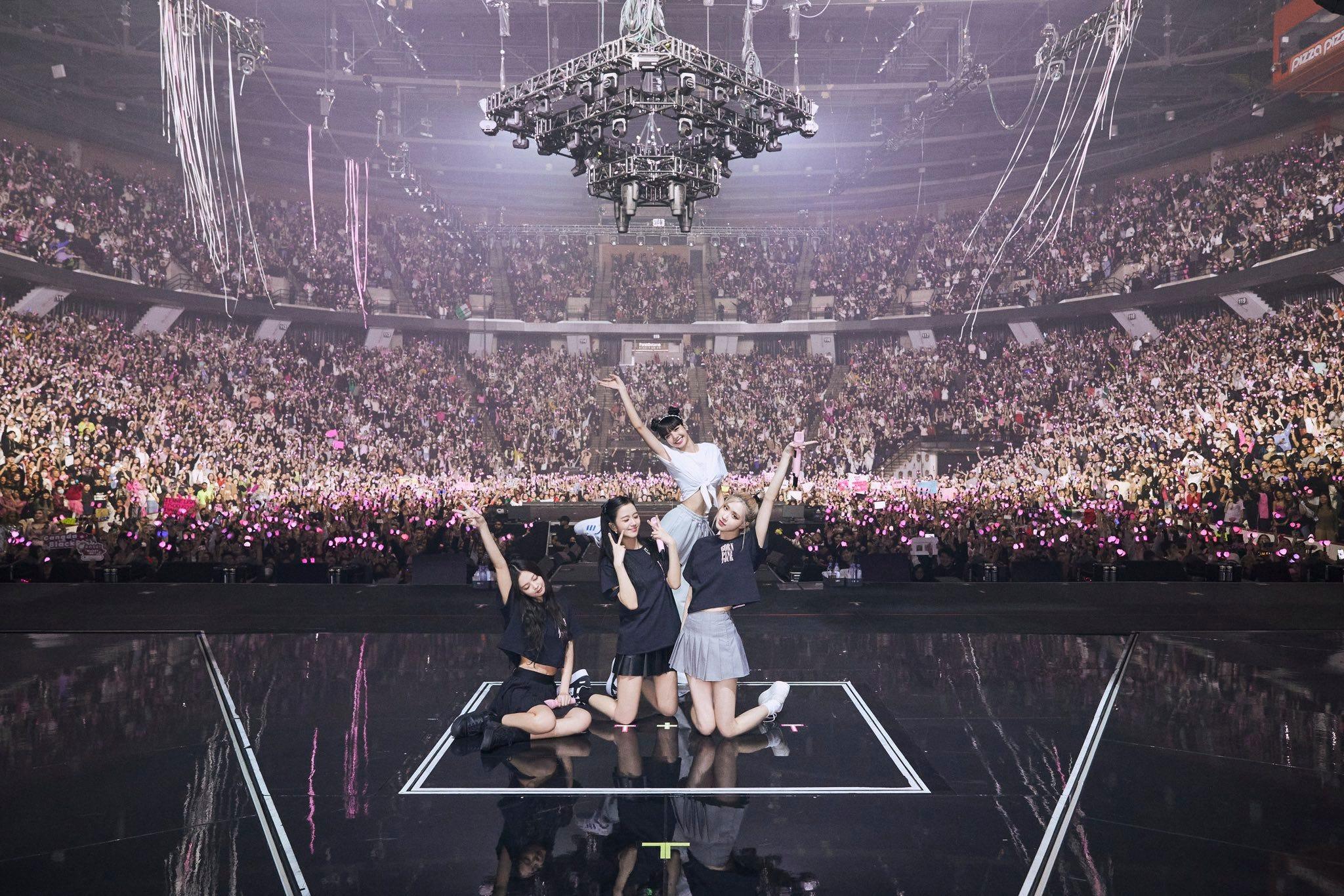
(Source: Blackpink Twitter)
K-POP's global rise wasn't simply about songs going viral. It was about an entire ecosystem working in harmony: streaming platforms, fan communities, YouTube, and social media all played a role. When Psy's "Gangnam Style" broke the internet in 2012, it wasn't a stroke of luck — it was proof that the infrastructure Korea had spent years building was finally ready for the world stage.
Today, K-POP is a multi-billion-dollar industry that influences fashion, beauty, language learning, and tourism. Korean has become one of the most-studied languages among young people globally, largely because fans want to understand their favorite artists without subtitles. Seoul's K-POP districts — Hongdae, Gangnam, and the area surrounding HYBE's glass headquarters — draw visitors from every corner of the world.
The idol system, as some call it, is not without its challenges. But it produced something the world didn't quite see coming: a music culture so detailed, so intentional, and so deeply connected to its audience that it became impossible to ignore.
#KPOP #KPOPIdol #KoreanMusic #KPopTraining #HallyuWave #KPopIndustry #BigThreeKPOP #KoreanEntertainment