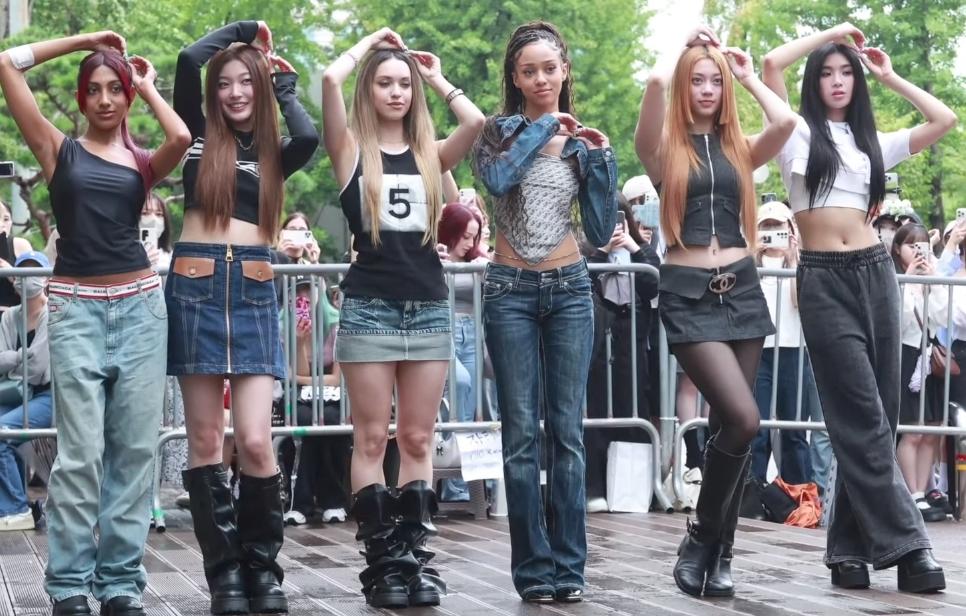
Visual Storytelling, Hidden Universes, and the Art of the K-POP MV
Most music videos do one thing: they show you the artist performing the song. K-POP music videos often do something quite different. They build worlds.
Open any major K-POP release from the past decade and you're likely to encounter a visual experience that goes far beyond what the song alone communicates. There are set designs that look like they belong in a feature film. There is color grading that shifts the emotional temperature of each scene. There are symbols, recurring motifs, and references — sometimes to classic literature, sometimes to art history, sometimes to a storyline that spans multiple albums — that fans spend weeks decoding online.
This didn't happen overnight. In the early days of K-POP, music videos were relatively straightforward performance pieces. But as the industry grew and competition between groups intensified, visuals became a defining battleground. A group's music video was no longer just a promotional tool — it was a statement of identity, a piece of art, and a puzzle for fans to explore.
(Source: SMTOWN)
SM Entertainment pioneered what fans now call the "SM Universe" — a loose but consistent visual and narrative thread that connected the stories of multiple artists across years of releases. EXO's early videos introduced a mythology of superpowers and parallel worlds. SHINee's aesthetic pushed the boundaries of what a pop video could look like. Each release felt like a chapter in a larger story.
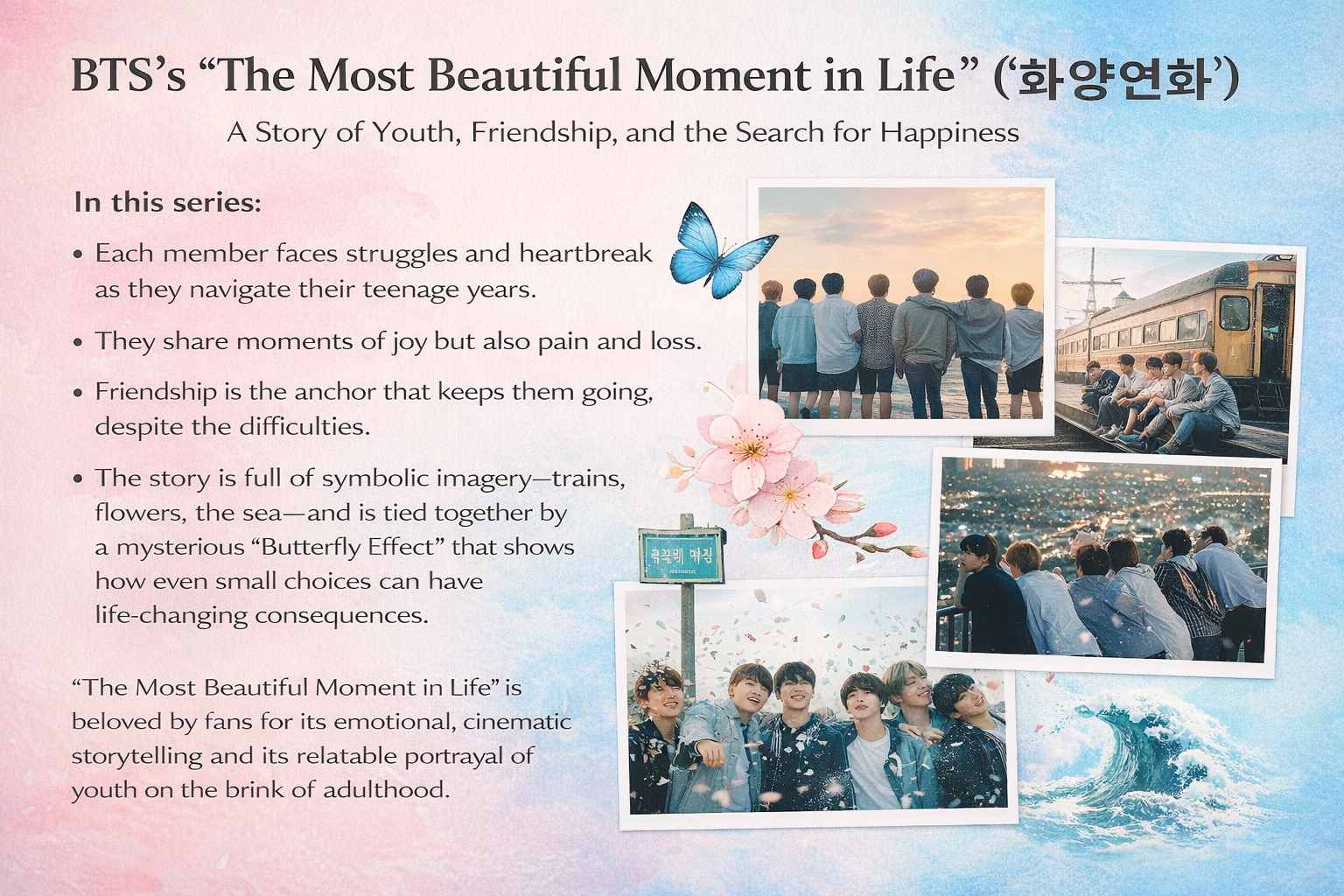
BTS took this concept further than anyone had before. Starting with their "HYYH" (Hwa Yang Yeon Hwa) series in 2015, the group began releasing music videos that contained hidden references, literary allusions, and visual symbols that fans around the world analyzed frame by frame. The music was excellent. But the visual layer transformed the listening experience into something closer to participation — fans weren't just watching, they were investigating.
(Source: SMTOWN)
What makes K-POP music videos distinctive is the level of production investment behind them. Major releases routinely involve multiple directors, elaborate location shoots, custom set builds, and post-production teams that rival those working on commercial films. The budget and the ambition are both treated as essential.
This also reflects a deeper truth about how K-POP understands its audience. The fans aren't passive consumers waiting to be entertained — they are active participants who want to engage, discover, and share. A music video that rewards repeat viewing, that hides details in the background, that connects to a larger narrative, gives fans something meaningful to do with their enthusiasm. It turns a three-minute song into a community event.
Today, K-POP music videos regularly break records on YouTube within hours of release. But the numbers tell only part of the story. What they reflect is a culture of visual storytelling that treats every frame as intentional — and an audience that has come to expect nothing less.
#KPOPMusicVideo #KPOPMV #KPOPVisuals #KPOPUniverse #BTS #KPopAesthetic #KoreanMusic #KPOP