Korean snacks are starting to work like K-pop merch. A look at the RESCENE bakery buns that sold out in Korea, why random photocards drive repeat buying, and which Korean snacks and foods you can find in the US.
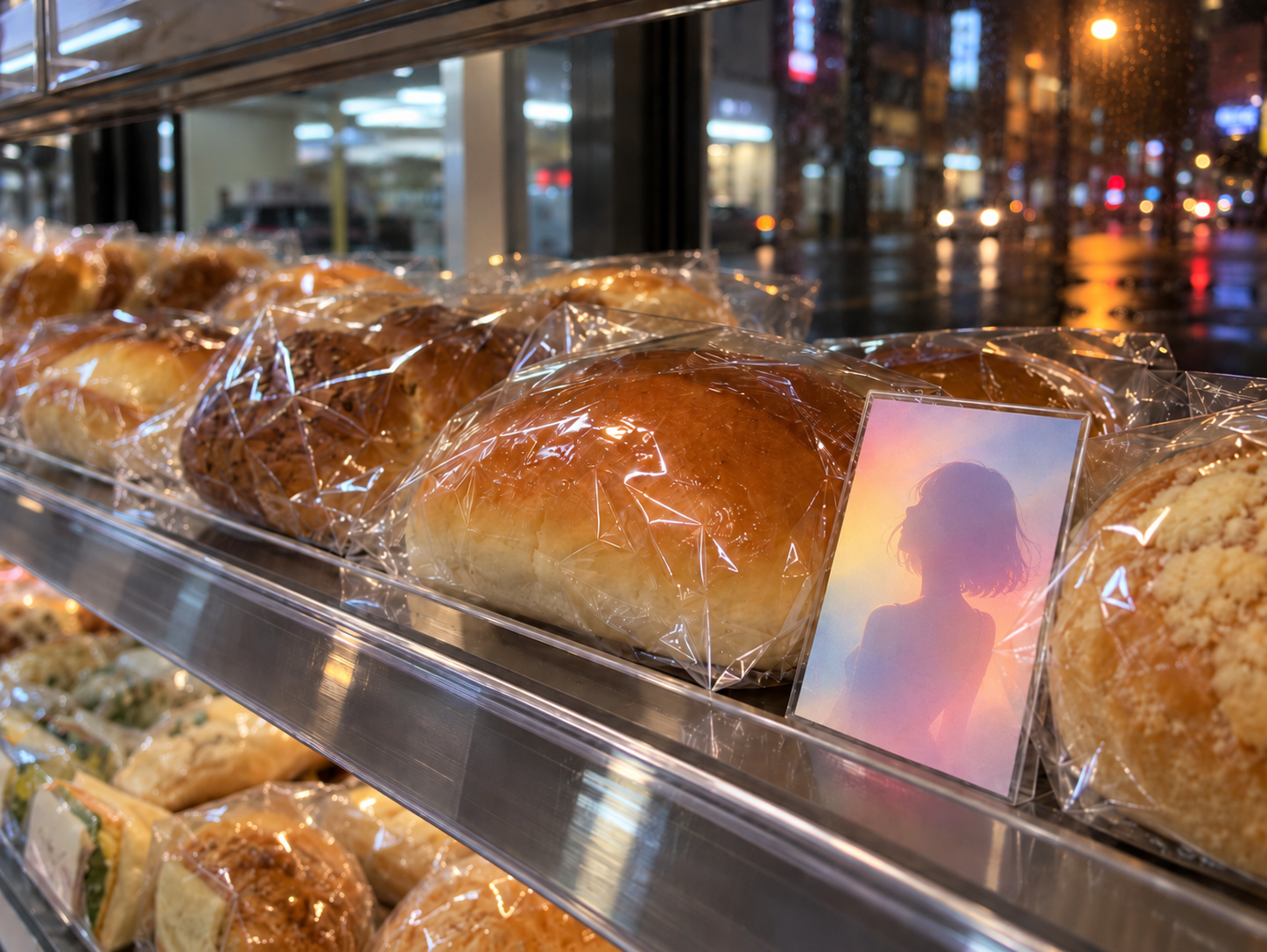
Korean snacks used to be something you found by wandering into the right aisle at H Mart: a box of Choco Pie, a bag of shrimp crackers, a honey butter chip bought because the packaging looked friendly. What has changed in Korea is what some of those snacks now come with. In September 2026, the convenience store chain CU began selling a line of buns developed with the girl group RESCENE, each sealed with a random photocard, and nearly all of the first day's supply was gone within 24 hours. A snack has started to behave like a piece of K-pop merch, and that says a good deal about where fandom spending is heading.
What Counts as Korean Snacks?
The everyday Korean word is gwaja (과자), which covers chips, crackers, cookies and the puffed things in between. Ask about snacks more broadly and the answer widens to include convenience store bakery buns, street food such as tteokbokki (떡볶이) and hotteok (호떡), and older sweets like yakgwa (약과), a honey cookie fried in sesame oil. Most American shoppers meet the packaged category first, because it travels well.
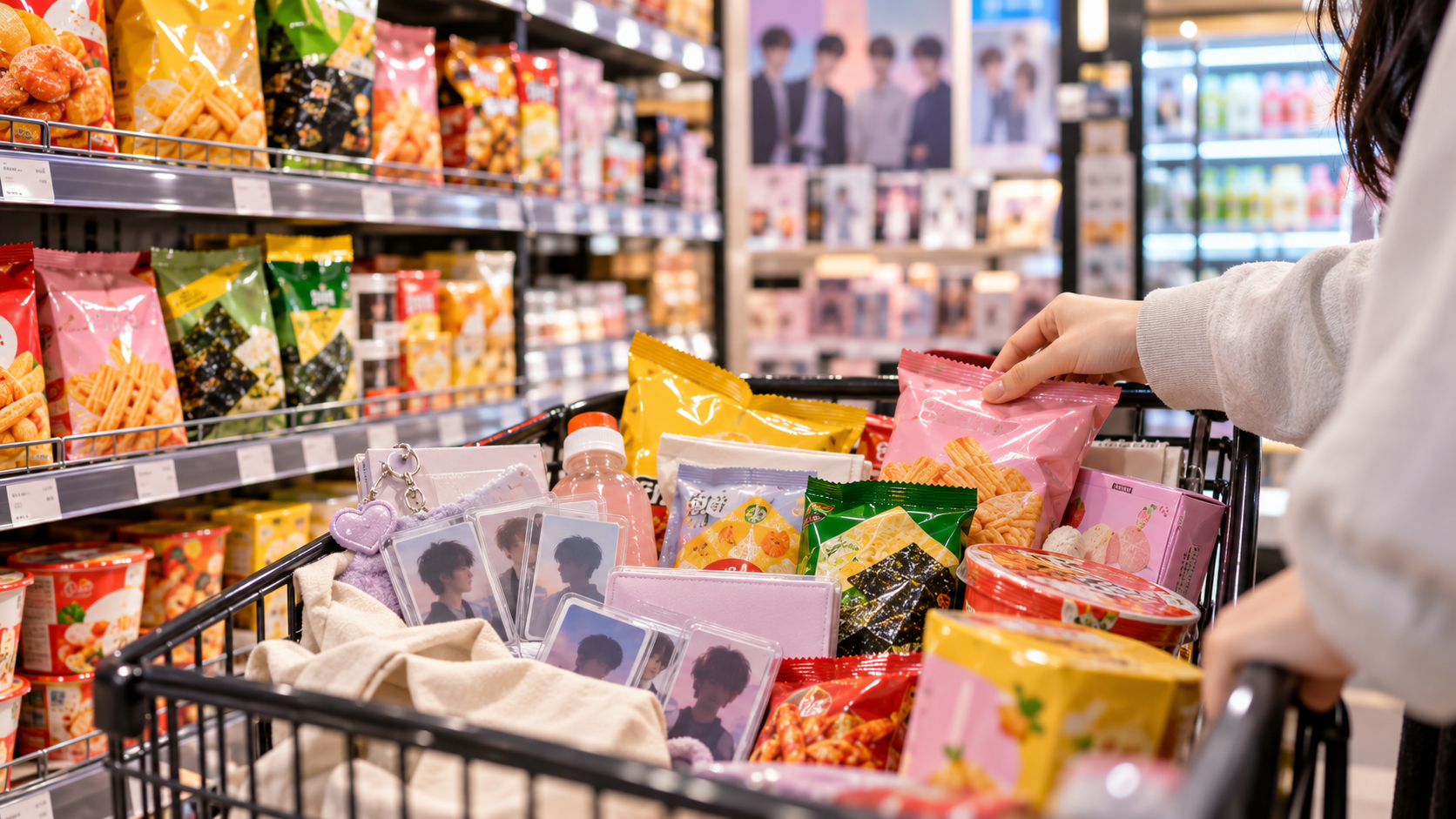
The popular Korean snacks on US shelves tend to be the same handful. Orion's Choco Pie, a marshmallow-filled cake first sold in 1974, is the old standard, and Lotte's Pepero, chocolate-dipped biscuit sticks, sits close behind it. Nongshim's Shrimp Crackers, known in Korea as saeukkang (새우깡), and Haitai's Honey Butter Chip cover the savory side. Orion's Turtle Chips, a four-layer corn chip introduced in Korea in 2017, are the newer arrival, now carried in some Costco warehouses.
Korean Snacks Are Getting a K-Pop Makeover
CU named RESCENE, a five-member girl group, its brand model in July 2026, and the members took part in development, each choosing a flavor tied to something she actually likes to eat. Woni, known for carrying corn in her bag, got a corn cream bun. Minami's melon bread recreates the one she ate in her hometown. May's cinnamon roll was designed to pair with the chain's in-store coffee, Zena's strawberry cream bun is modeled on a Japanese strawberry margarine bread, and Liv's entry crosses chocolate with honey hotteok.
The breads launched on September 17 under BAKE405, CU's in-house bakery label. The chain reported about 100,000 units sold in the first four days. For readers outside Korea, the scope matters: these are CU exclusives sold through its Korean stores and its Pocket CU app, so they will not turn up in an American grocery store.
A brand model usually lends a face to an existing product. Here the product is meant to tell fans something about the idol, what she snacks on and what she misses from home. This is K-pop food in its most literal form, and eating it becomes a small act of closeness, which is the feeling K-pop merchandise has always sold.
When a Snack Comes With a Photocard
Each RESCENE bun includes one transparent photocard, drawn at random from 27 designs. With five breads and 27 cards, buying one of each gets a fan nowhere near a full set; collecting requires repeat purchases, more store visits and, eventually, trades.
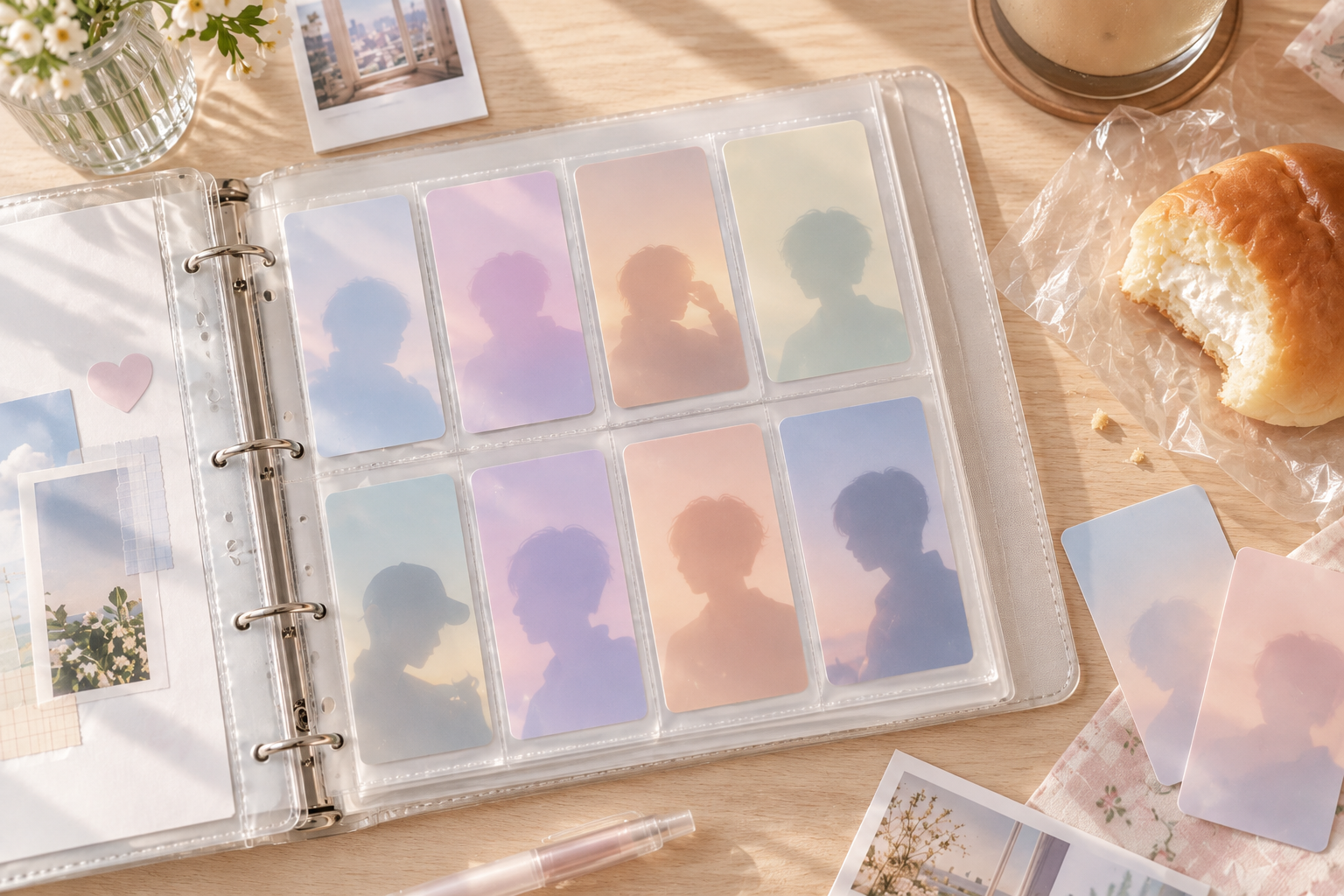
Anyone who follows K-pop photocards will recognize the mechanism. Albums have long shipped with a random member card, and an entire trading culture of binders and swaps grew up around that randomness. CU has moved it from a CD case to a bread bag. The real change is the price of entry. Collaboration bakery items in Korean convenience stores generally sell for around 3,000 to 5,000 won, a fraction of an album, so a fan can buy several without much thought.
The resale market followed within days, with some RESCENE cards listed on Korean secondhand platforms at roughly six to eight times the price of the bun they came in. CU's collaboration bakery sales grew 43.3 percent in 2024, 36.6 percent in 2025 and another 30.9 percent from January through August 2026, and the company credits collectible inserts, photocards and ttibu-ssil (띠부씰) stickers among them, for much of that growth.
Beyond Idol Collabs: Korean Food Goes Global
Idol bread remains a Korean phenomenon for now. Korean food abroad is a separate story, building on its own schedule.
Kimchi is the clearest case. In 2022, Daesang opened a 2,000-metric-ton-a-year kimchi plant for its Jongga brand in the City of Industry, near Los Angeles, the first large-scale kimchi factory built in the US by a Korean food company. Daesang acquired Lucky Foods, the maker of Seoul Kimchi, in 2023, the same year the US passed Japan as Jongga's largest export market. The California plant now produces vegan and white kimchi alongside the original, and Jongga has moved past Korean grocers into mainstream supermarkets in the western and central states.
It would be easy to credit all of this to K-pop, and it would be inaccurate. Daesang has pointed instead to K-dramas and films and to the pandemic home-cooking boom. Where music does appear, it appears as a venue: in 2025 Jongga served kimchi dishes at Head In The Clouds, the Los Angeles music festival, a place to meet younger eaters who were already interested in Asian pop culture. Fandom does not create the demand for Korean food, but it gives brands a familiar door to knock on.
Korean Snacks and Foods to Look For
Idol bread may be out of reach, but most of what this story touches can be found in the US. Stock varies by store, and limited editions disappear quickly.
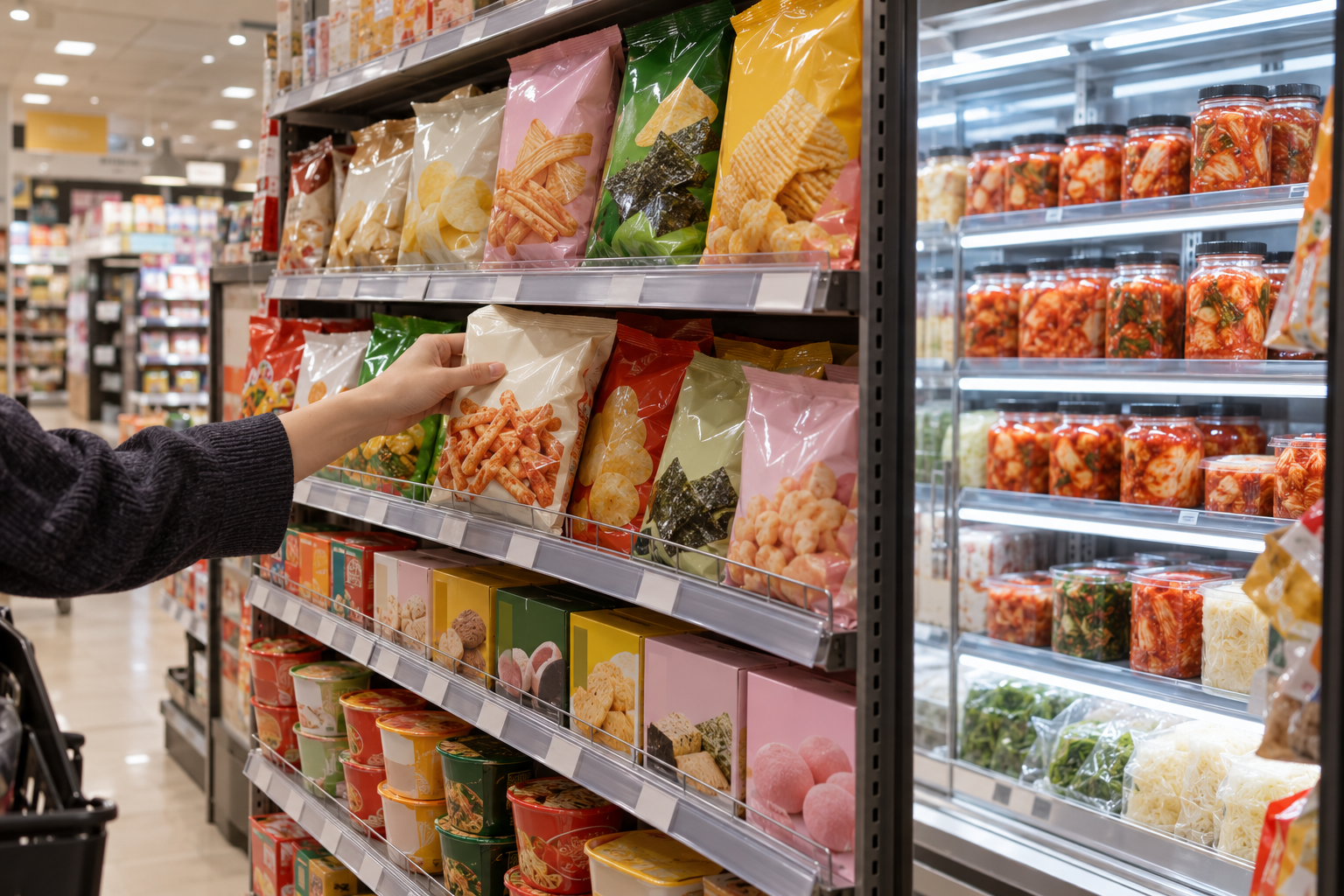
- Choco Pie and Pepero: the most recognizable sweet Korean snacks, sold at Korean grocers such as H Mart and through online retailers.
- Turtle Chips: some Costco warehouses have carried the Choco Churros flavor, while Korean grocers stock the wider range.
- Nongshim Shin Ramyun and Shrimp Crackers: in September 2025, Nongshim released both in packaging inspired by Netflix's KPop Demon Hunters at Walmart, Costco, Kroger and H Mart. It is the closest thing to idol-branded food a US shopper has been able to buy, even if the idols are animated, though some of those listings now show out of stock.
- Jongga kimchi: look in the refrigerated section, at Korean grocers and at a growing number of mainstream supermarkets.
Read labels if you have allergies. Many packaged Korean snacks contain wheat, soy or milk, and shrimp crackers contain shellfish.
What This Means for K-Pop Merch
K-pop merchandise has spread outward in rings. First came the album, which turned out to be a delivery system for the photocard. Then came lightsticks and fashion collaborations. Food is the next ring and in some ways the most natural one, since it is cheap and bought almost every day.
An album is a deliberate purchase; a bun from the convenience store is an impulse. When idol IP attaches itself to bread, fandom stops being something you plan for and becomes something you pass on the way home. The examples that have reached American shelves so far look more like the Shin Ramyun cups than the RESCENE buns: a familiar product in a collectible wrapper, sold where people already buy groceries. The photocard, for now, stays in Korea. The habit behind it is already traveling.