Seoul Is Glowing — And You Need to See It
Inside the Lotus Lantern Festival, Korea's Most Dazzling Spring Celebration
· · ·
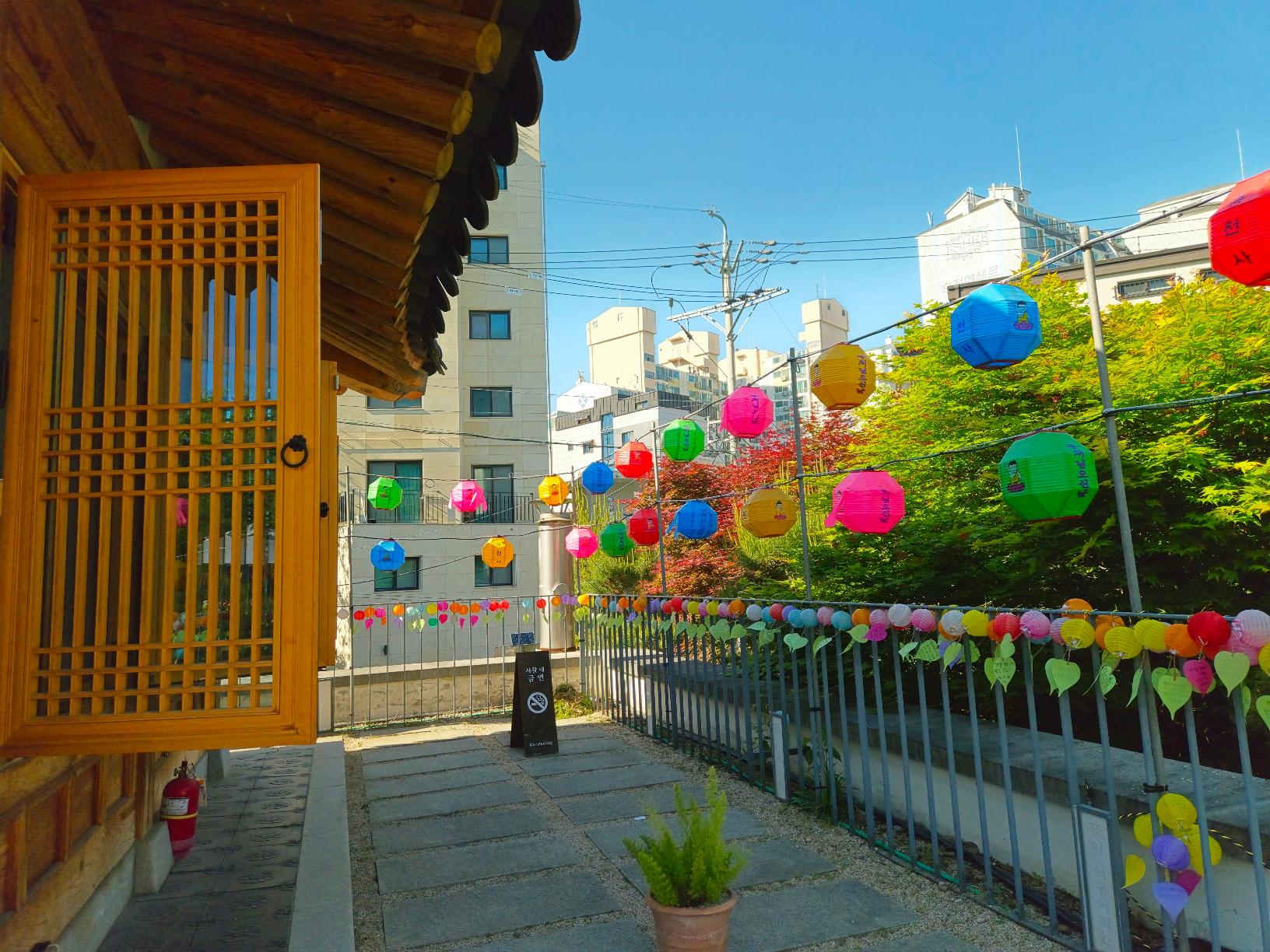
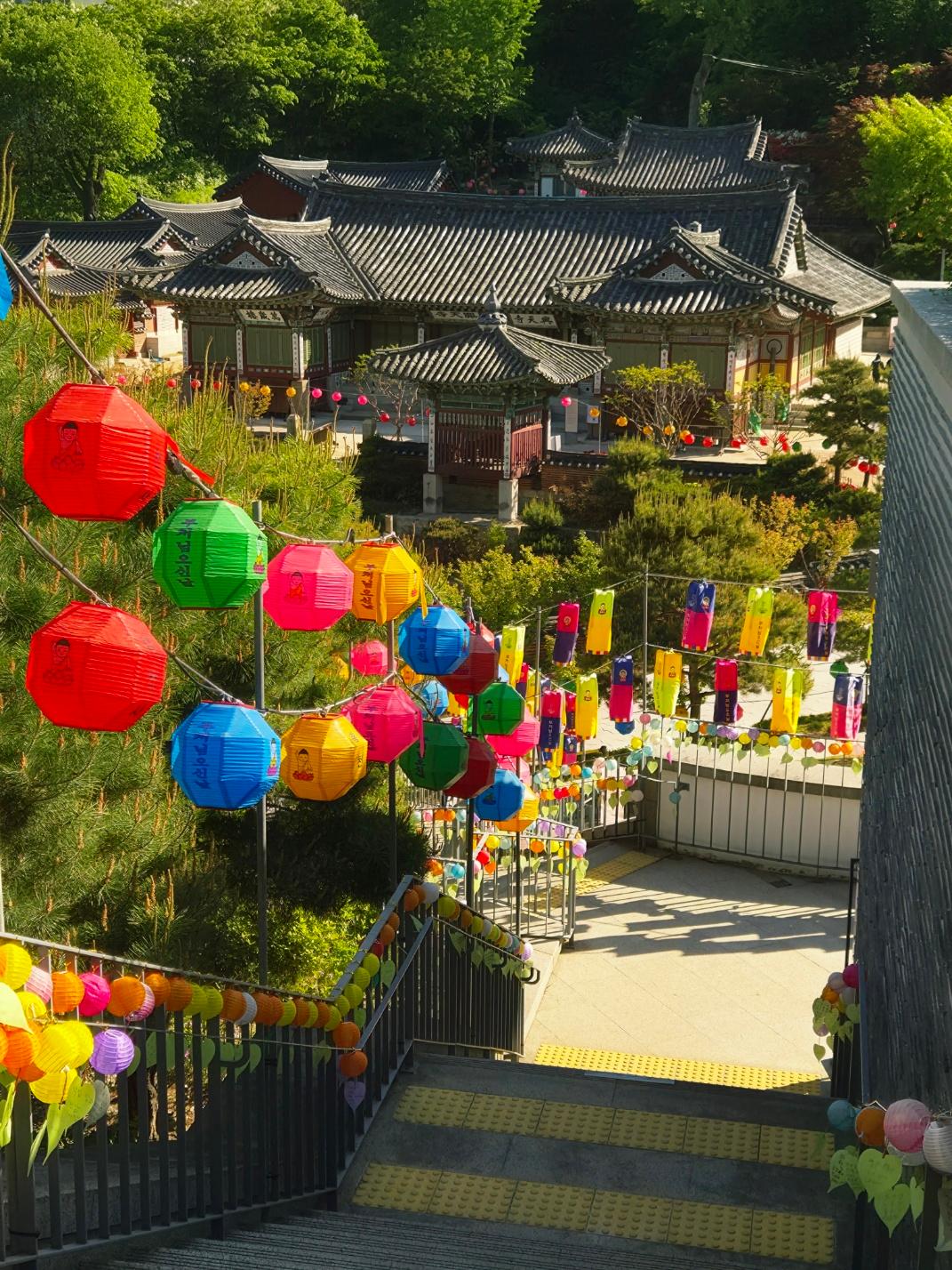
Picture this: you're walking through a 600-year-old Buddhist temple tucked into a Seoul hillside, and every inch of it is draped in jewel-toned lanterns swaying in the May breeze — each one hung in anticipation of the grand festival still to come. Head up to the rooftop café, and you'll find coffee, peach tea, and oolong waiting for you — help yourself, settle in, and let the city stretch out below. This is Yeon Deung Hoe — the Lotus Lantern Festival — and it is unlike anything else on earth.
The festival itself runs May 16–17, but Seoul starts glowing weeks earlier. Ancient temples, city streets, and the banks of the Cheonggyecheon stream fill with thousands of handmade lanterns in shapes you never could have imagined. It is at once deeply spiritual and joyfully open to anyone who shows up.
· · ·
1. Heungcheonsa: A Temple With Royal Grief at Its Heart
If you want to understand why Seoul feels different from every other major Asian city, spend an afternoon at Heungcheonsa. Founded in 1396 by King Taejo — the founder of the Joseon Dynasty — this temple was built as a memorial for his beloved Queen Sindeok. For over six centuries, this site has quietly held one of the most human stories in Korean history: a king building a place of prayer for the person he lost.
The temple also holds a unique place in the creation of the Korean language. Some historians connect the grounds to the monk Sinmi, who is believed to have contributed to the development of Hangeul, the Korean alphabet, under the orders of King Sejong. Walking these grounds, you feel the weight of that history — and then you look up and see a lantern shaped like a blue bird, glowing in the afternoon light.
2. This Isn't a Spectator Sport — It's a Communal Act
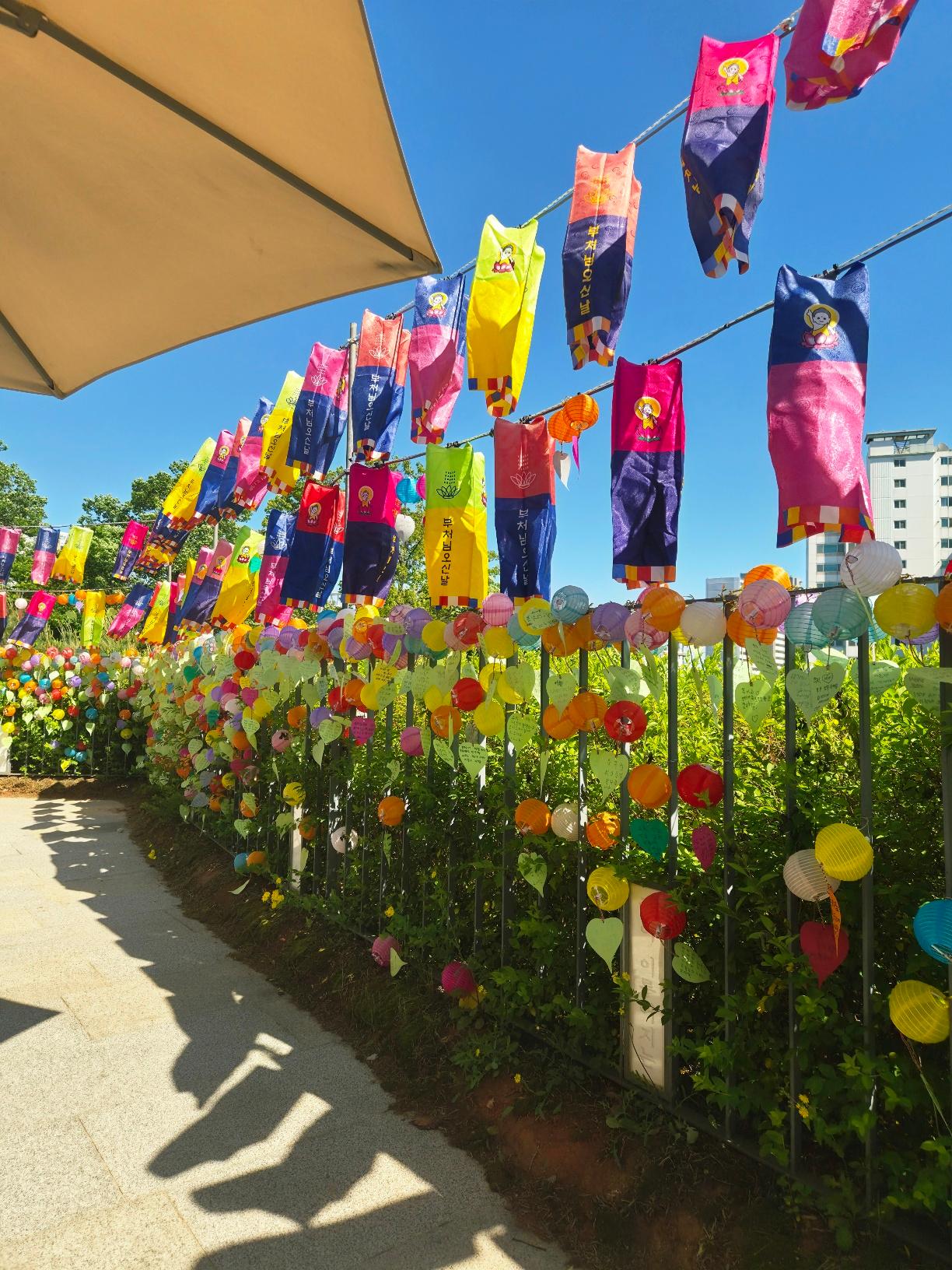
What separates the Lotus Lantern Festival from any other light show is this: nearly every lantern was made by hand, by a person with something to wish for. Participants spend up to six months crafting their own lanterns — for their families, their neighbors, and the world — and then carry them through the streets of Seoul in a procession of light stretching for miles.
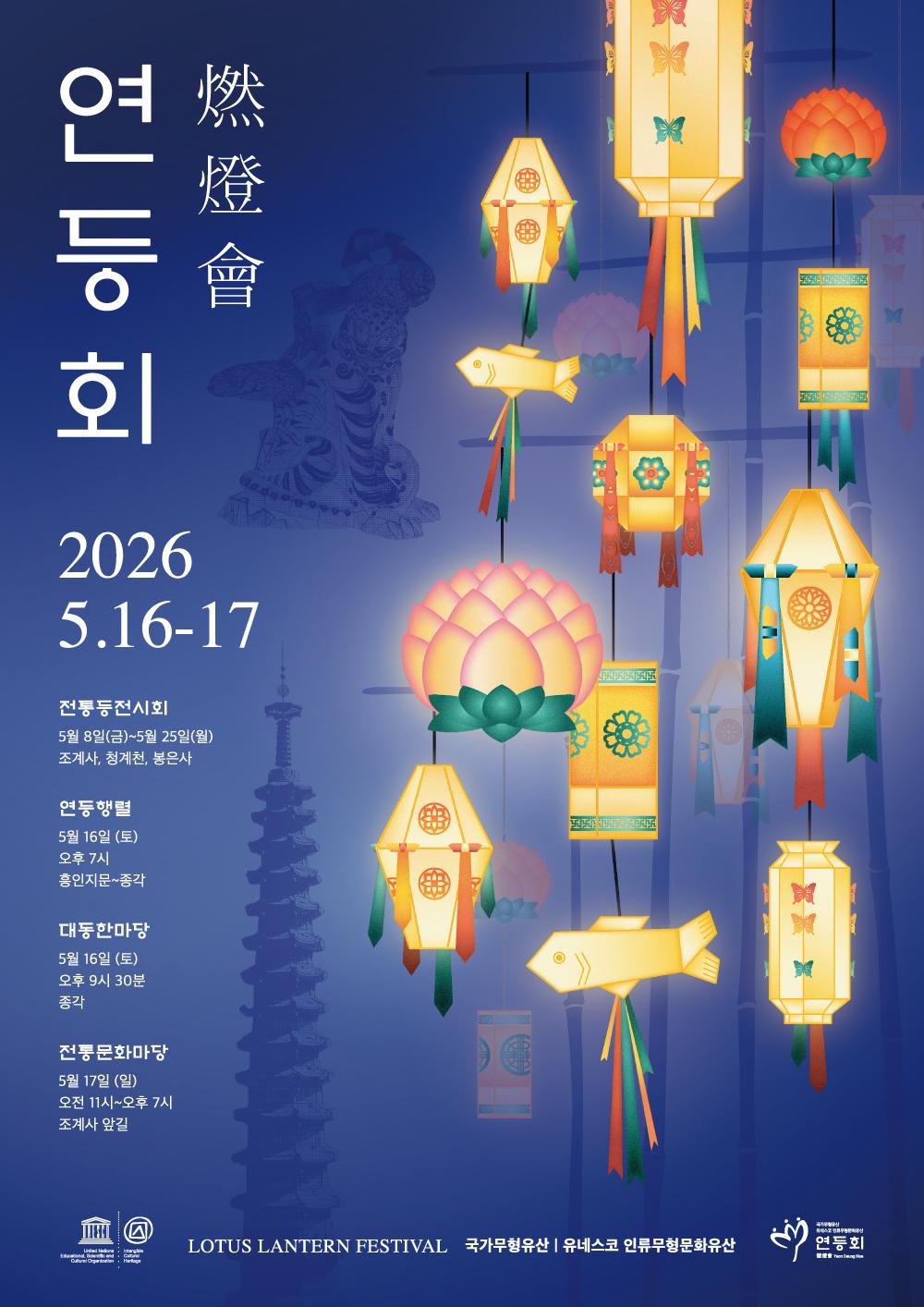
The 2026 Program at a Glance:
- Lantern Exhibitions: May 8–25 | Jogyesa, Cheonggyecheon, Bongeunsa
- Grand Lantern Parade: May 16 (Sat) | 7 PM | Heunginjimun → Jongno
- Grand Celebration: May 16 (Sat) | 9:30 PM | Jonggak
- Traditional Culture Fair: May 17 (Sun) | 11 AM–7 PM | In front of Jogyesa
- Admission: Free and open to everyone
The Traditional Culture Fair alone is worth the trip. Over 100 booths line the streets where you can make your own lantern, try temple food, and watch traditional performances. Survey after survey of international visitors describes this festival not as a religious ceremony but as a "masterclass in keeping a living culture alive".
· · ·
"The energy isn't manufactured. Every lantern represents someone's real hope. That's what you feel walking through it."
3. The Things That Stop You in Your Tracks
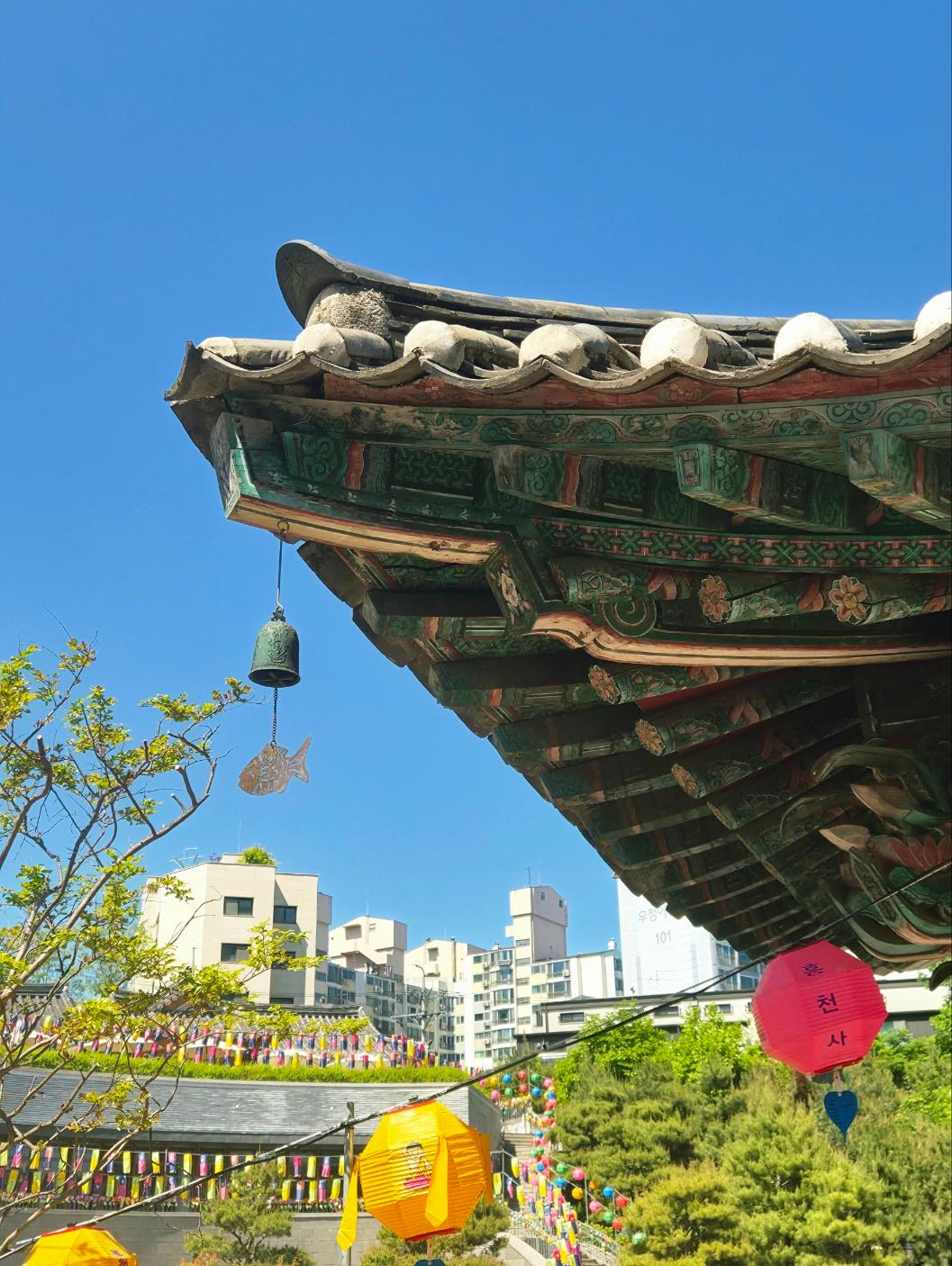
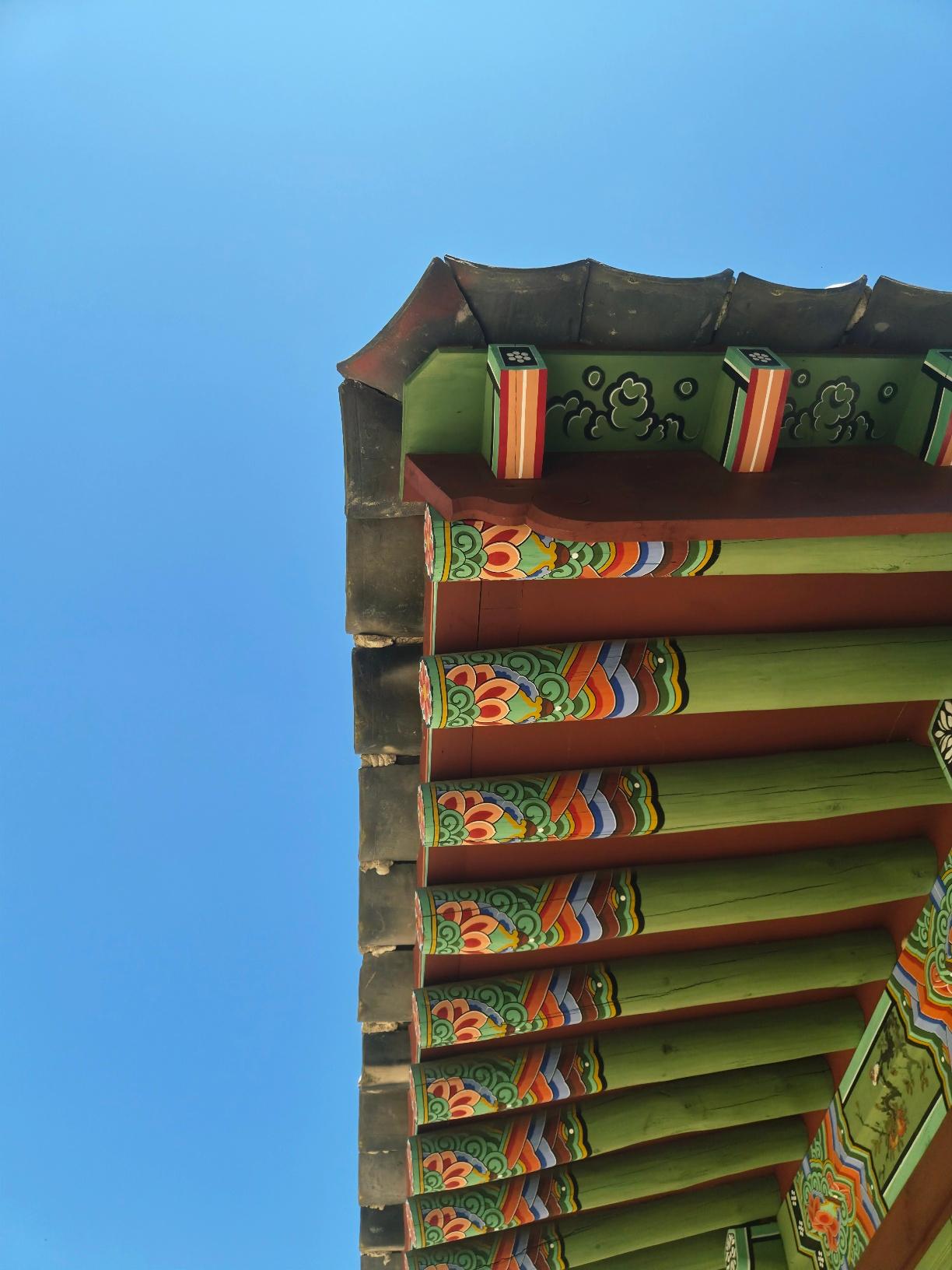
You can tell yourself you'll keep moving. And then you see it: the corner of a temple eave, its painted woodwork in green and cinnabar red, a tiny brass wind chime shaped like a fish swaying in the breeze. Or a wall of ancient earthen tile catching the afternoon sun.
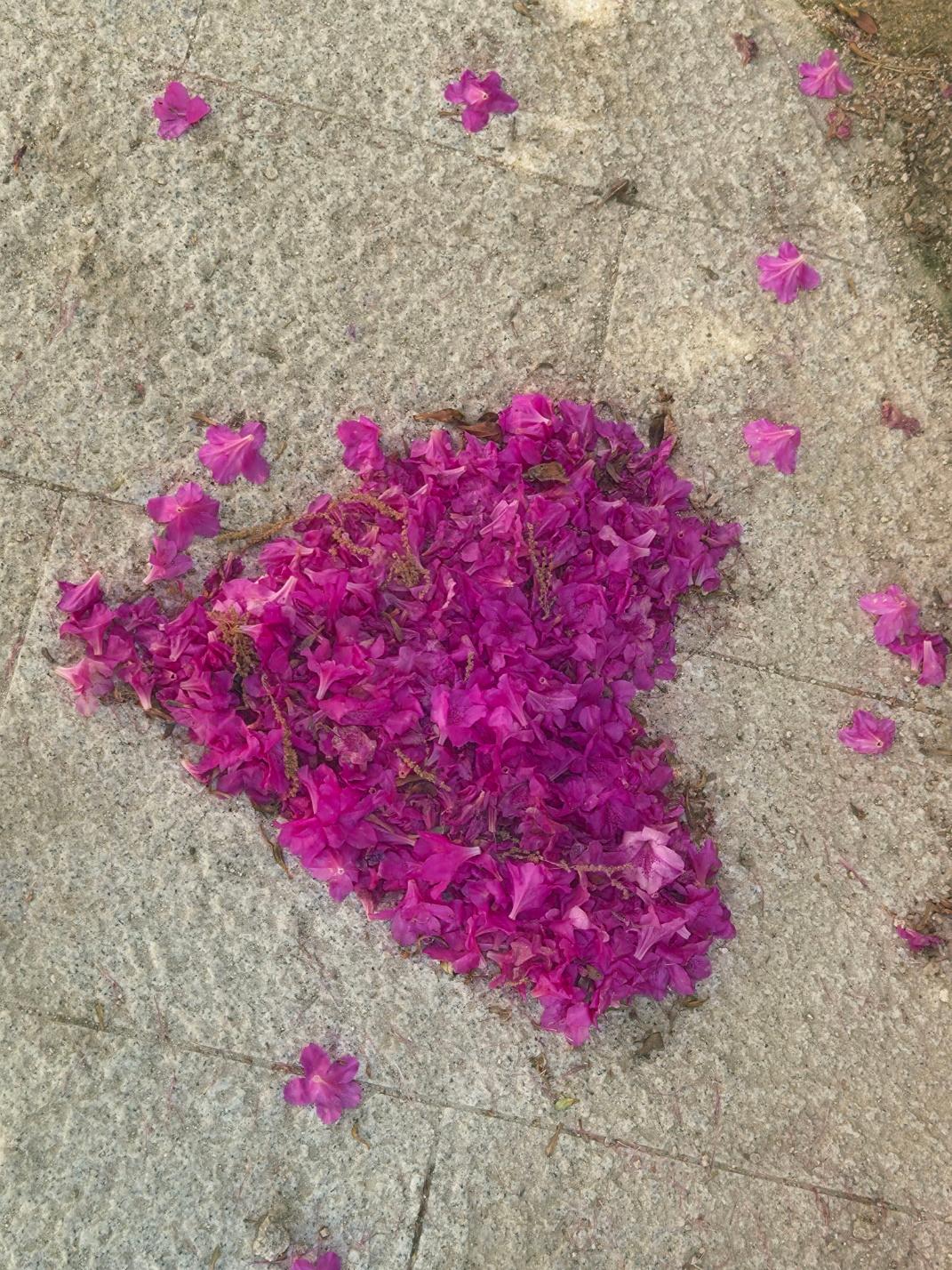
Spring at a Korean temple doesn't whisper; it insists. You'll stand in the courtyard, in the sunshine, and understand exactly why people keep coming back to Korea in May.
"The energy isn't manufactured. Every lantern represents someone's real hope. That's what you feel walking through it."
#SeoulTravel #LotusLanternFestival #YeonDeungHoe #VisitKorea #Heungcheonsa #KoreanCulture #SeoulEvents2026 #HangeulHistory #BuddhistFestival #TravelKorea