At CHIMAC FEST, K Gallery watched visitors play traditional games, try on hanbok, test Korean products, and choose what to take home. Here's what surprised us, and what it taught us about how people experience Korean culture.
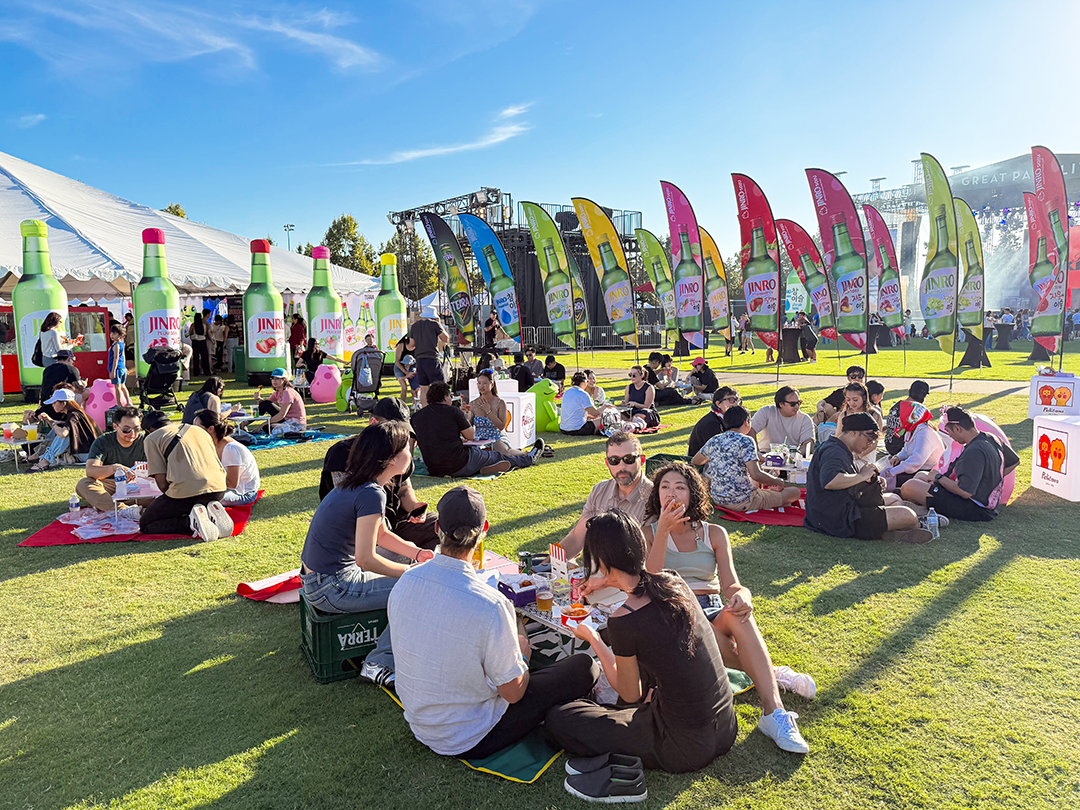
At its heart, CHIMAC FEST is built around two things people already love: chicken and beer. But around that food, the festival grew into a much wider space for discovering Korean culture. Throughout the day, visitors moved freely between music, food, games, performances, cultural activities, and a wide range of brands.
For K Gallery, the festival was a valuable chance to see how people actually respond when they encounter Korean culture and Korean products in person. We watched visitors stop by our booths, try something for the first time, ask questions, and choose what to take home. Some of the strongest reactions came from places we hadn't expected: traditional Korean games, a hanbok photo booth, sunscreen samples, and, of all things, a pack of socks.
Looking back, we noticed a few important things about how people discover and connect with Korean culture in everyday settings.
Here are three things we learned at CHIMAC FEST.
People Wanted to Experience Korea, Not Just Look at It
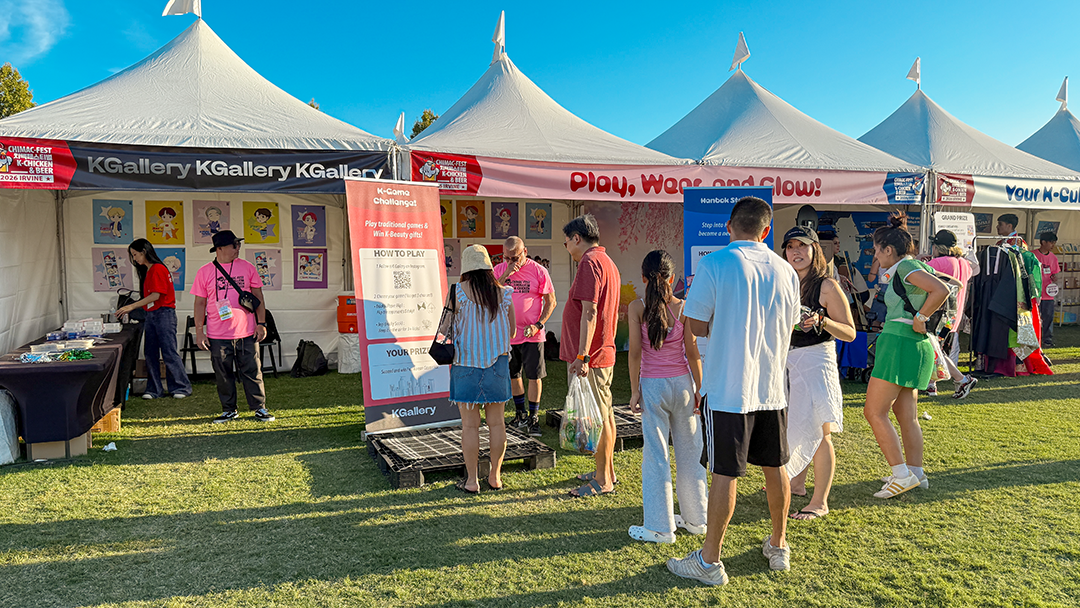
Some of the liveliest moments at our booth came from traditional Korean games.K Gallery's space was divided into six booths across game, experience, and retail zones. While all of the zones attracted visitors, ttakji-chigi and the hanbok photo booth received some of the strongest reactions.
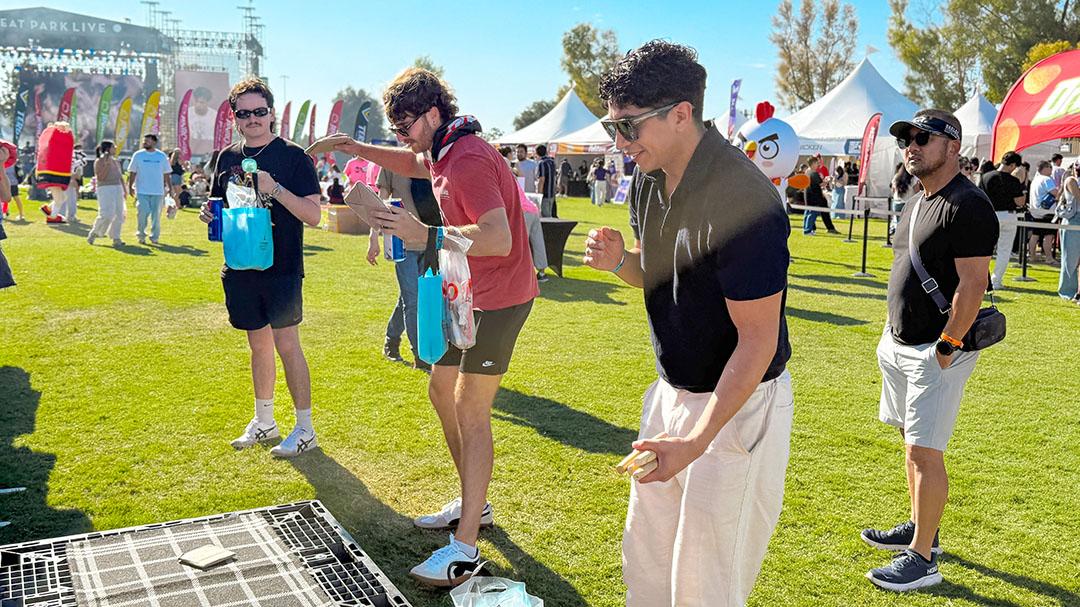
Ttakji-chigi, a traditional Korean paper-flipping game, was especially memorable.Many visitors already knew what ttakji was through “Squid Game”. But knowing about a game and actually playing it were two very different things.Once visitors got a ttakji in their hands, the atmosphere changed. They played with real intensity, cheering when they successfully flipped the other person's ttakji. On the first day, we even ran out of ttakji. From the second day, the team started folding more by hand.
What stood out most was what happened next. Some visitors didn't just want to play. They wanted to know whether they could make ttakji themselves at home.
That small question stayed with us. It showed that something familiar to Koreans can feel completely new when experienced from the outside.
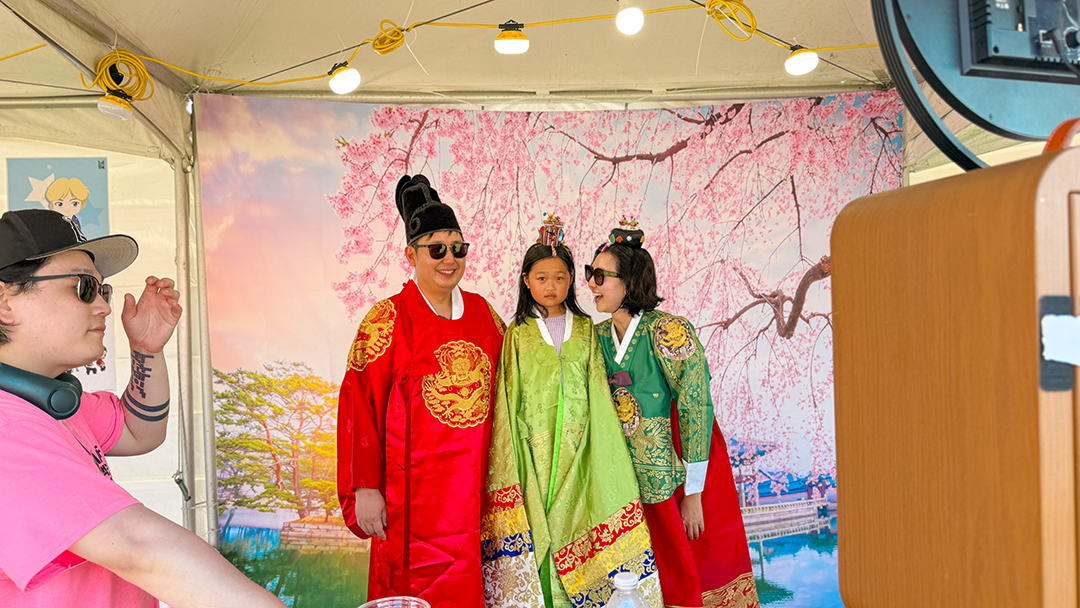
The same thing happened with the hanbok photo booth.Visitors could put on traditional Korean clothing, take photos in front of a Gyeonghoeru-inspired backdrop, and receive a physical print to take home. Couples dressed as kings and queens, and some even switched outfits just for fun.And then there was the gat.For some international visitors, the traditional Korean men's hat felt unexpectedly modern and stylish. The reaction was a reminder that even small cultural details can become interesting when people get the chance to interact with them themselves.
Trying Made the Difference
The second thing we noticed happened in the retail zone.The K-beauty brands we brought to the festival, including Beauty of Joseon, TIRTIR, SKIN1004, TOCOBO, Round Lab, and Dr. Althea, already had some level of recognition among U.S. consumers. So the questions we heard were often less about "What is this brand?" and more about "What does this ingredient do?" "Who is this for?" "How does it feel?"
Sunscreen attracted particularly strong interest.
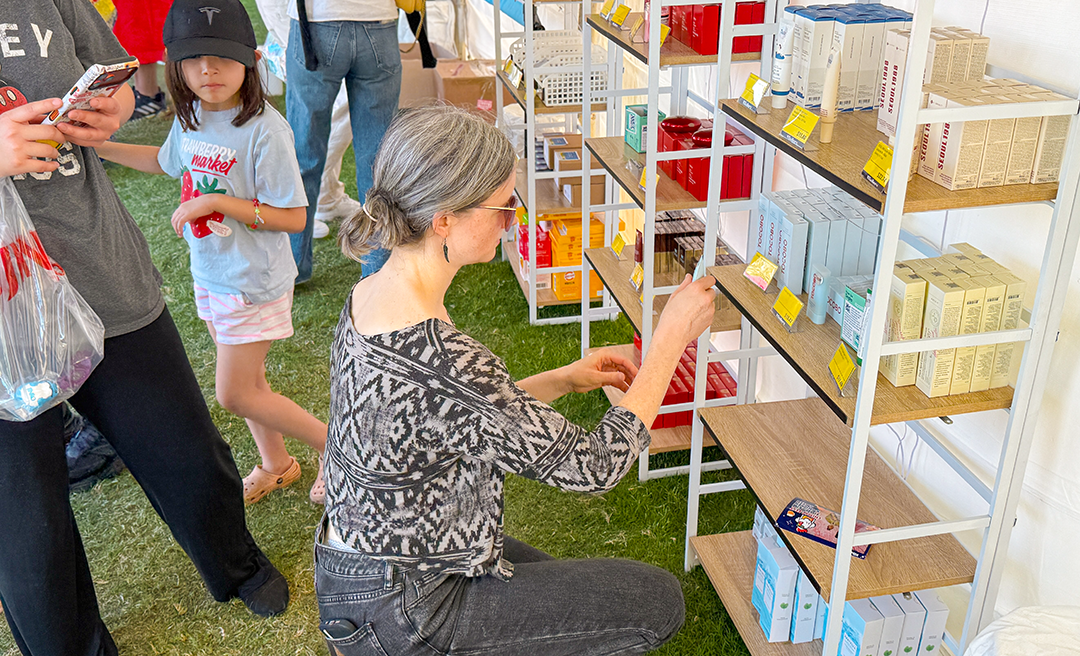
That made sense in the setting: a California outdoor festival, strong sunlight, and visitors spending hours outside during the day. But awareness alone wasn't what turned interest into purchases. The team actively offered sunscreen texture tests, allowing visitors to try the products on their own skin while asking questions.
That created a simple but important sequence:See → Ask → Try → BuyVisitors could see a product, ask about it, experience its texture, and then decide whether it was right for them. Looking at the sales results afterward, sunscreen products from TOCOBO, Round Lab, and SKIN1004 were among the stronger sellers. For us, this was another reminder that product discovery doesn't always happen through a screen or a product description.
Sometimes, it starts with simply putting the product on your hand.
The Bestseller Wasn't What We Expected
Then came the biggest twist.
If we had tried to predict the top-selling item at a Korean culture festival, K-beauty would have been the easy guess. And K-beauty did sell well. TIRTIR Mask Fit Red Cushion, in shades 21N and 23N, took the No. 2 and No. 3 spots in overall sales. Sunscreen products from TOCOBO, Round Lab, and SKIN1004 also ranked among the top sellers.
But the No. 1 product was one we hadn't anticipated at all: the DB Socks Random Pack.Of all the Korean products we brought, this pack of socks sold the most across the entire festival. At the booth, visitors told us it was hard to find socks this well made and sturdy in the U.S., and they pointed to the price for the quality as their reason for buying.
It was an unexpected result. At a festival centered on food, culture, and brand experiences, few would have predicted that socks would become the bestseller. That's exactly what made it interesting. It showed that what we think people will want and what shoppers actually choose can be two different things. And that gap only becomes visible when you put products in front of real people and watch how they respond.
WHAT WE TOOK AWAY
Looking back, the most valuable part of CHIMAC FEST wasn't simply finding out which event attracted the biggest crowd or which product sold the most.It was seeing how people responded when Korean culture and Korean products were placed in front of them in a real-world setting.A traditional game became something new to someone who had only seen it on screen.A hanbok photo became a physical memory.A sunscreen sample turned product awareness into a hands-on experience.And a simple pack of socks became the festival's unexpected bestseller.
Put together, these moments point to one pattern: Experience → Try → Discover → Buy.
- Experience: People responded more actively when they could take part in Korean culture themselves, not just look at it.
- Try: Interest turned into purchases as visitors tested products and asked questions.
- Discover: Sales revealed new demand in a product we hadn't expected.
At K Gallery, discovering Korean culture isn't only about knowing what's popular in Korea. It's also about seeing what people experience, ask about, try, and take home for themselves.We'll keep introducing Korean culture and Korean lifestyle in many different ways, and creating more chances for people in the U.S. to experience and discover it for themselves.
You can find more stories about Korean culture, Korean lifestyle, and a wide range of Korean products here on the K Gallery blog.