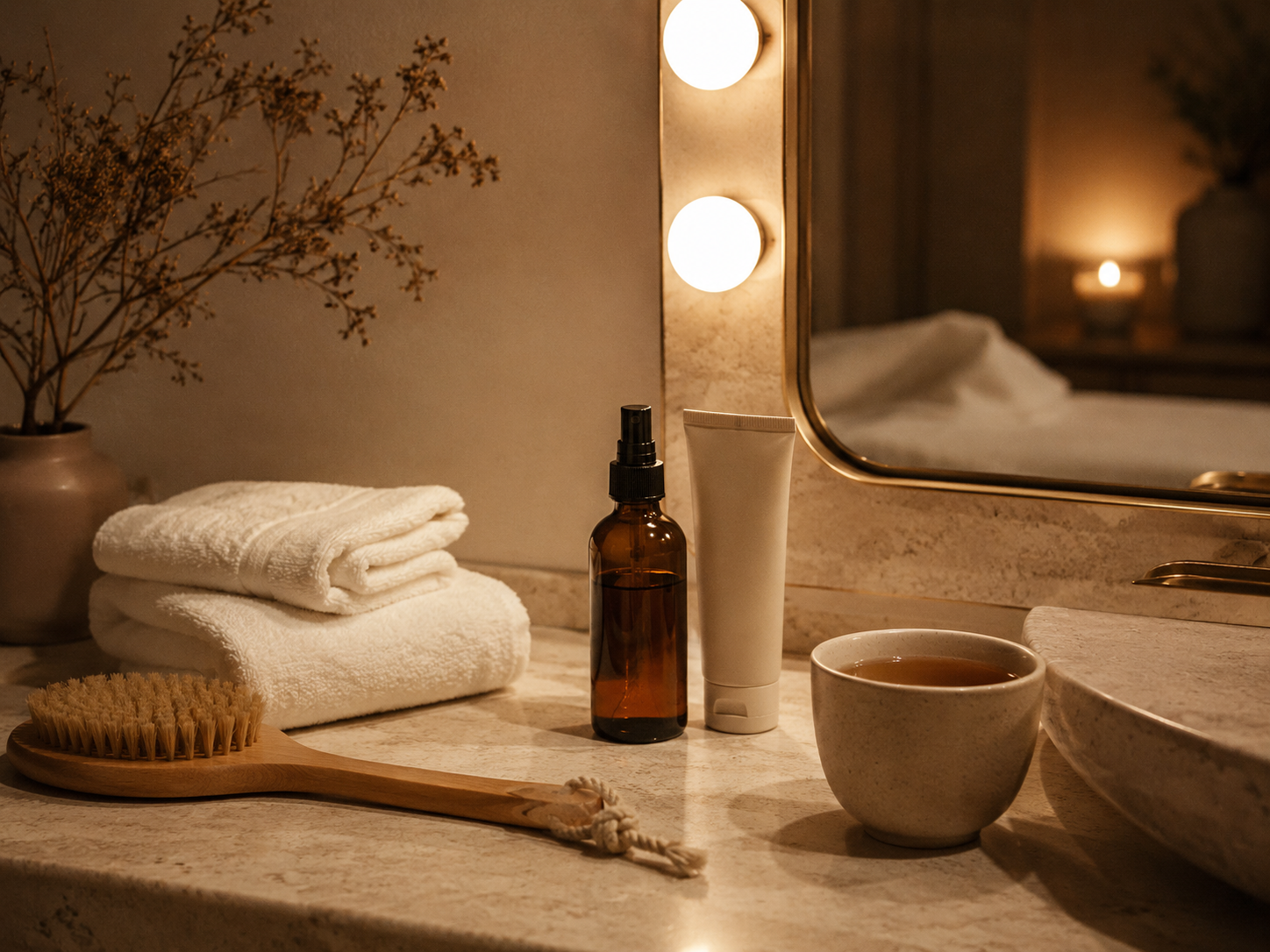
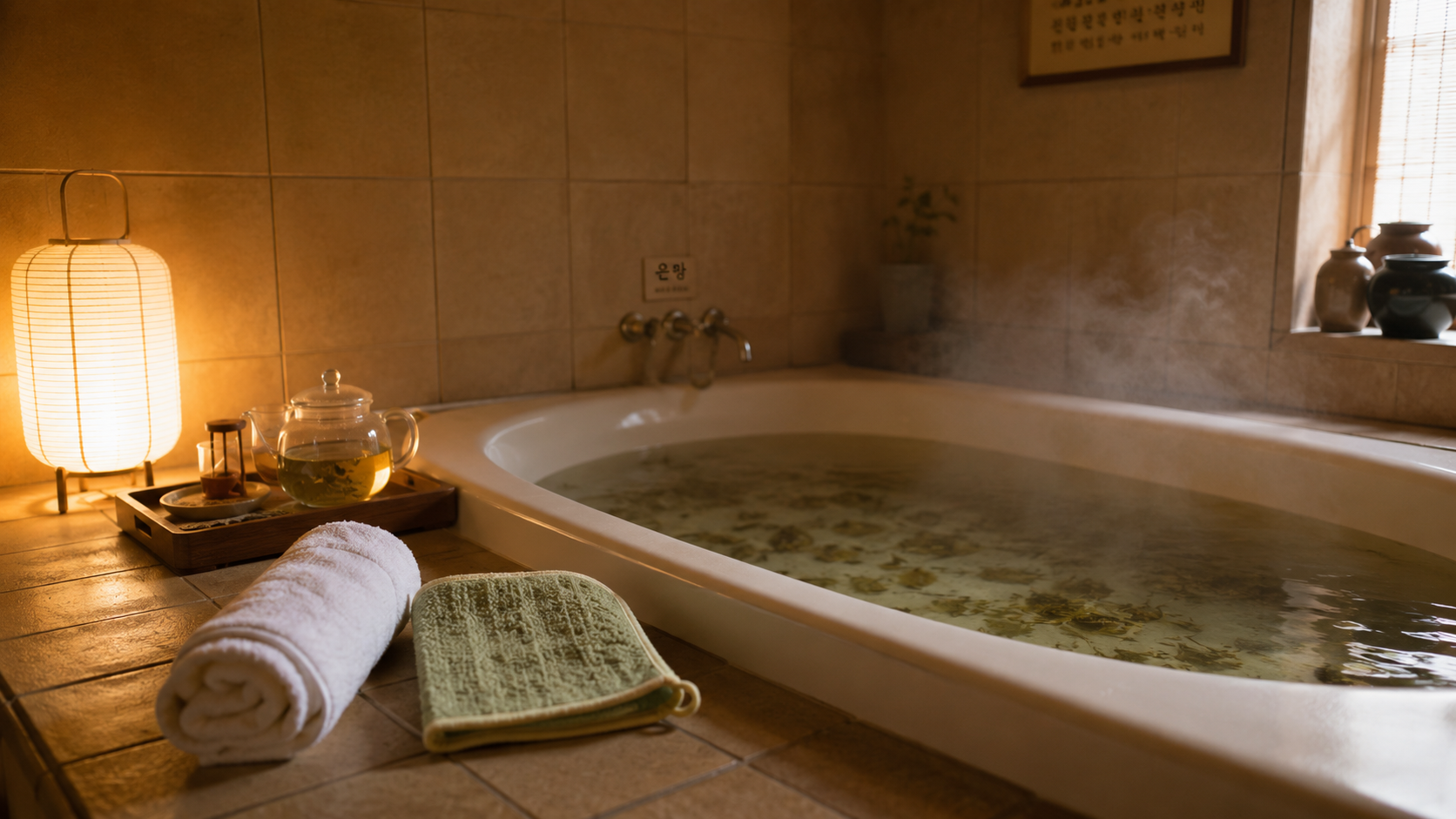
A Korean body scrub is not a massage. Nobody floats lavender past your nose while a harp plays. You soak for fifteen minutes, someone comes in with a green mitt, and then a visible quantity of you leaves your body and sits on the mat next to you.
Search "wellness massage Seoul" and you get a thousand hot-stone menus. This is not that. Seshin (세신) is a scrub performed by a trained professional, a seshinsa (세신사), and the practice of soaking first and scraping after goes back to the late Goryeo period. The skin wellness case for it is real, and narrower than the internet says.
It is also, suddenly, a tourist attraction. After the bathhouse scene in KPop Demon Hunters, Klook logged an 11 percent jump in scrub-and-sauna bookings. Creatrip put private seshin shop reservations up 170 percent.
Why the private version exists at all
Korea once had close to 10,000 public bathhouses. Thousands are gone, killed off by home bathtubs, hygiene squeamishness, and a pandemic that closed every shared tub. The seshinsa who used to work a rubber mat in the corner of the neighborhood bathhouse, walk-ins only, 20,000 to 40,000 won, needed somewhere to go. The first one-person scrub shop opened in 2021. There are now dozens, and some are franchising.
What they sell is not a discounted wellness massage, and it is not a health massage with nicer towels. It is a door that closes. One tub, one mat, one seshinsa with twenty years of hands behind her, and nobody else in a tiled hall watching you reconsider your life. That turned out to be what foreign visitors wanted too. At Sulis in Eunpyeong, 70 to 80 percent of customers now come from abroad, about half of them Japanese. Damda, near Hongdae, puts foreigners at roughly 40 percent of its book. Neither shop planned for that.
Locals treat it as living wellness rather than vacation wellness, part skin maintenance and part mental wellness. You book it like a haircut.
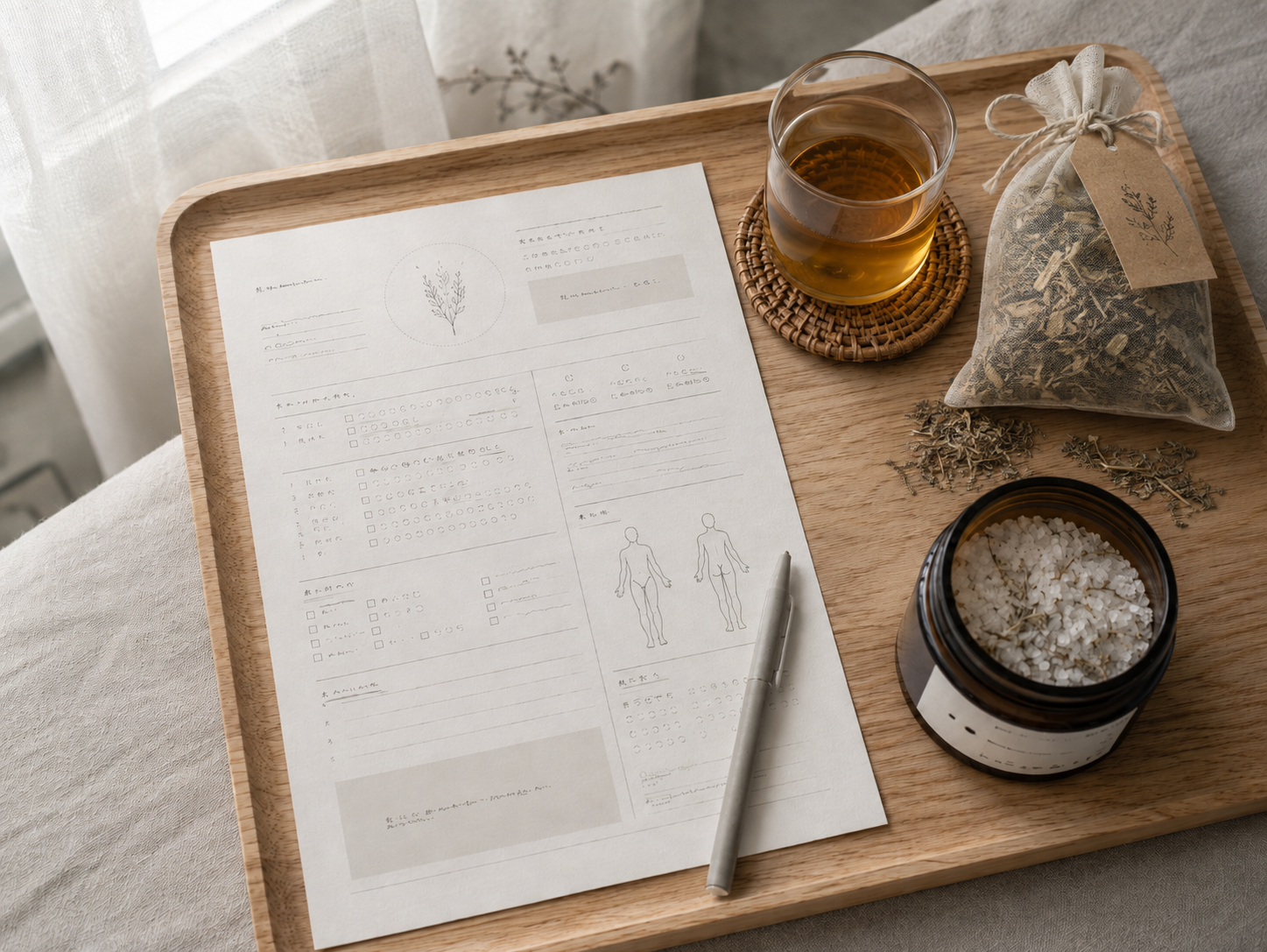
The form you fill out before the bath ritual starts
Here is the part that never makes the travel vlogs. Before anything happens, there is a checklist. Which tea, and whether you want it during the bath or after. What goes in the water, mugwort or Dead Sea salt. Carbonated bubbles, if you would like to be a highball. Scrub intensity, low through high. Anything the seshinsa should know about your skin.
Most people choose medium. Medium is correct.
Then your clothes go into a sterilizing garment steamer, you get fifteen minutes in the tub, and the Korean body scrub itself runs about thirty minutes, toes to neck, nothing politely skipped. Milk body care follows, then a facial, then shampoo with a scalp massage, then a seaweed gel finish. A body dryer instead of a towel. Tea already poured in the powder room. The basic bath ritual at Damda starts at 83,000 won, and most Seoul shops sit between 80,000 and 150,000 for an hour once you add an oil-based health massage, which is menu English for a firm massage with actual intent.
What the Korean body scrub is actually doing to your skin
The soak is not hospitality, it is the mechanism. Fifteen minutes in hot water swells and softens the stratum corneum until dead cells release under friction instead of being torn away. Dry-scrubbing yourself at home with the same Italy towel (이태리타올), or an organic body scrub on bone-dry legs, is a different and worse activity. Every step of the bath ritual sits where it sits for a reason.
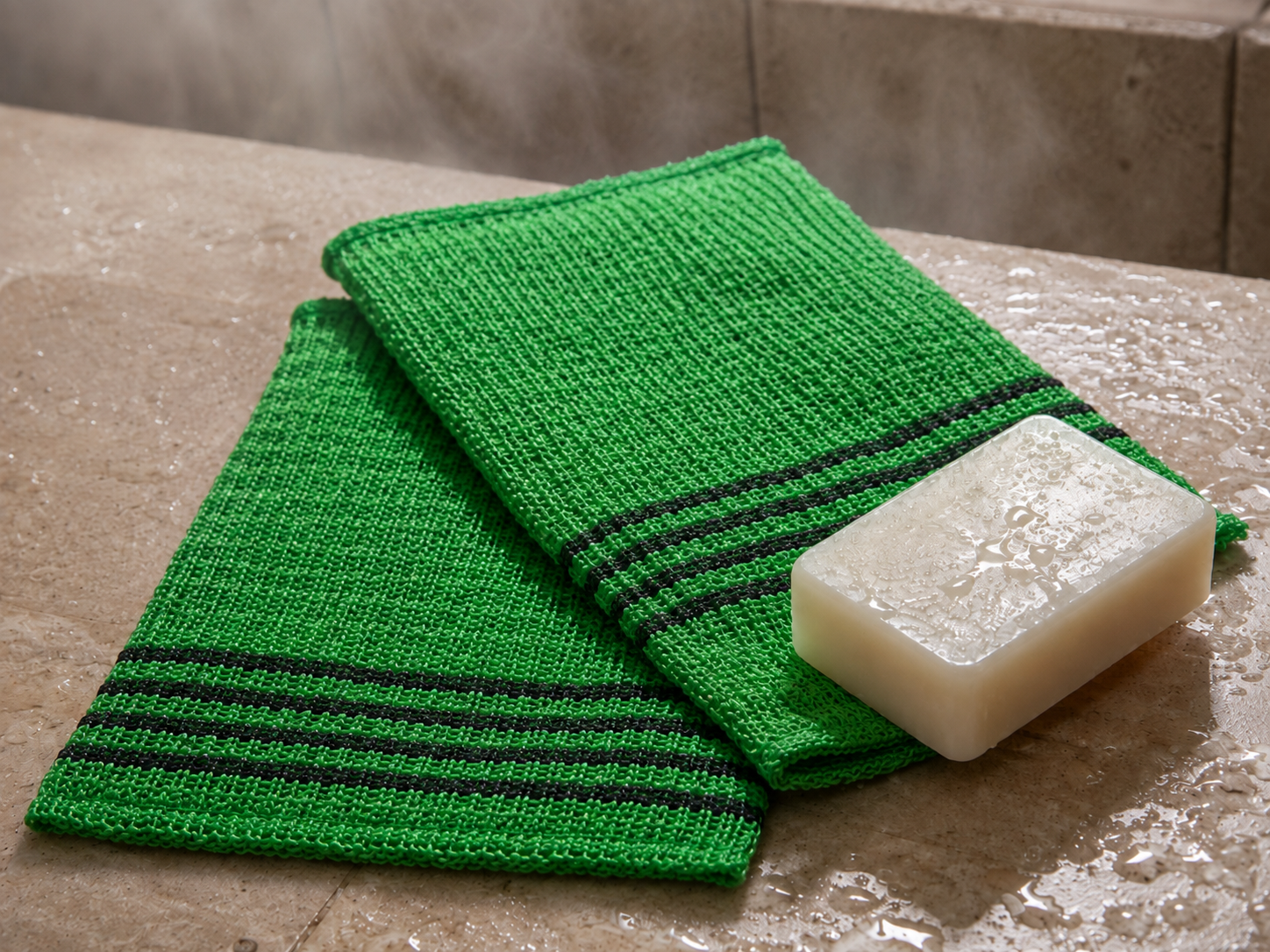
What you get: smoother texture, less trouble with keratosis pilaris and ingrown hairs, and body lotion that finally absorbs instead of sitting on your shins like a coat of paint. What you do not get is permission to do this weekly forever. Dermatologists are consistent that over-exfoliation wrecks the skin barrier, and the traditional ceiling has always been once a week. If your skin runs dry or reactive, every four to six weeks is plenty of scrubbing for real skin wellness. The living wellness version between visits is an organic body scrub with sugar or ground grain, and a good organic body scrub will not leave your calves feeling tight afterward.
The mental wellness part, which has nothing to do with skin
Plenty of Koreans book a scrub at New Year as a reset, which sounds decorative until you have had one. The mental wellness payoff is not the tea or the piano playlist. It is thirty minutes of being handled competently by someone who needs nothing from you, in a country where being unavailable is close to impossible. Skin wellness is the receipt. That is why the health massage add-on, good as it is, is not the reason anyone rebooks, and why no wellness massage abroad quite replaces this.
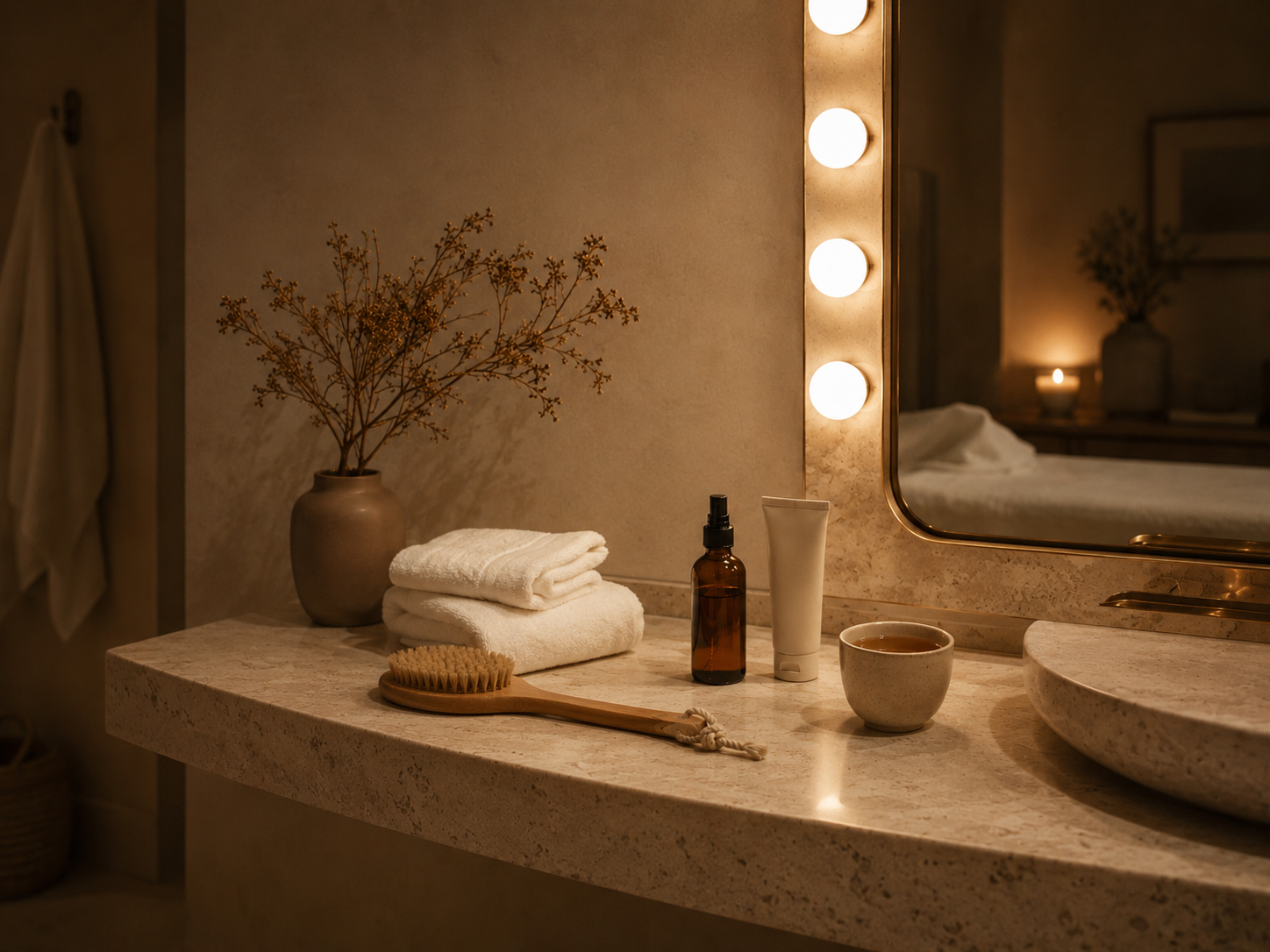
Your seshinsa will tell you to schedule it on a day off. Not because it hurts, but because you will want to lie down afterward, and what lifts is not only in your shoulders. Living wellness, priced under a decent facial.
You do not walk out relaxed, exactly. You walk out lighter, weirdly clear-headed, and a little annoyed that this is not how you have been washing your entire life.