Ten Korean horror films, from slow-burn ghost stories to a zombie outbreak on a bullet train, with spoiler-free setups and separate jump-scare and gore levels so you can pick by mood.
If you are looking for the best Korean horror movies and want to pick one tonight, start here. These ten films cover very different kinds of fear, so the quickest way to choose is by mood:
A Tale of Two Sisters (2003) is a slow, beautifully designed ghost story for viewers who prefer dread to shocks.
The Wailing (2016) is a long, unsettling village mystery with a shaman at its center.
Exhuma (2024) is occult horror about moving a family grave, with an ensemble cast that keeps it moving.
Train to Busan (2016) puts a zombie outbreak on a high-speed train and is the easiest entry point on this list.
Gonjiam: Haunted Asylum (2018) delivers found-footage jump scares with very little blood.
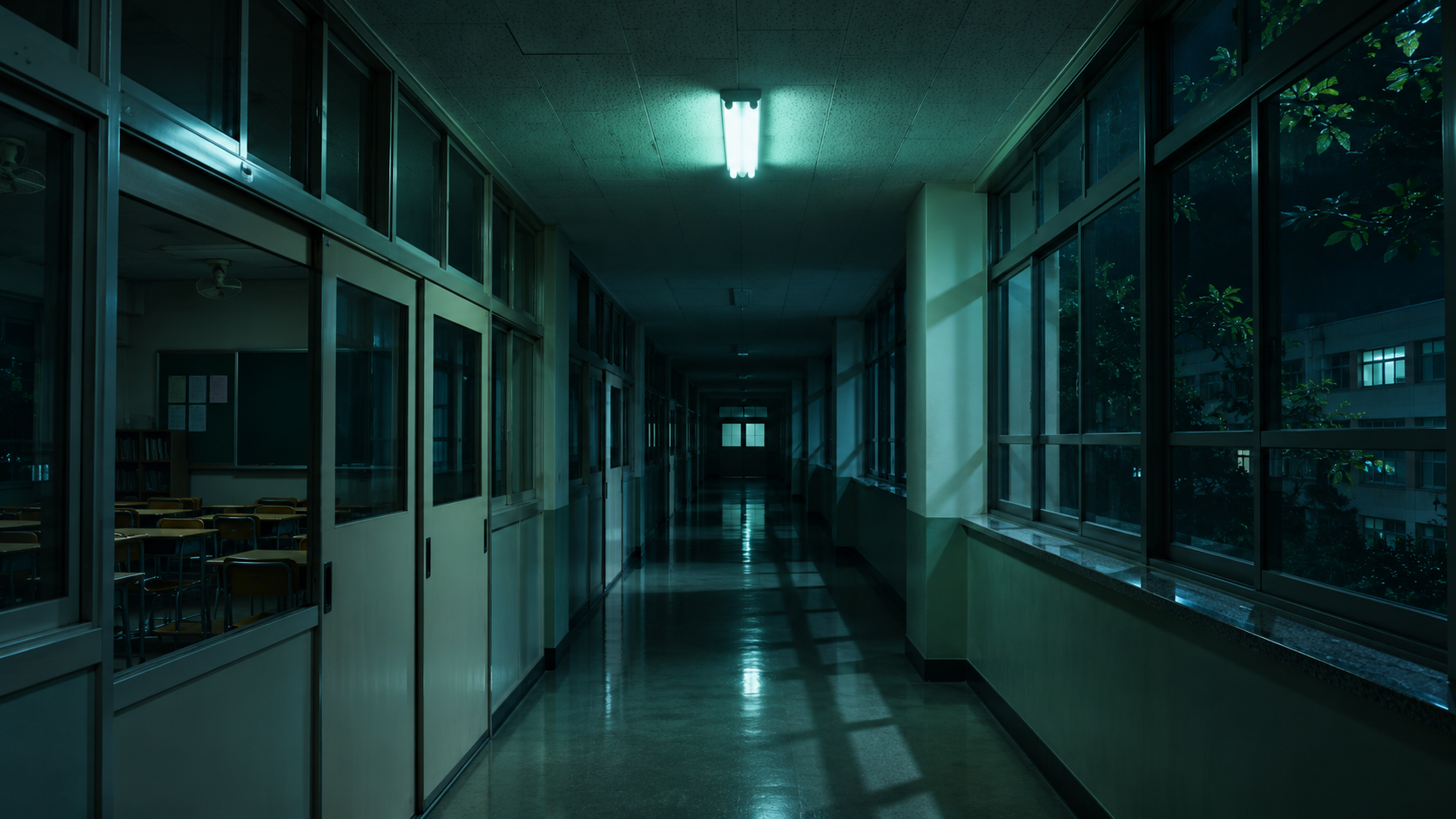
Whispering Corridors (1998) is a school ghost story with a sharp eye on academic pressure.
Sleep (2023) turns a newly married couple and a sleepwalking husband into a domestic nightmare.
The Host (2006) is a monster movie that is also, at times, a family comedy.
The Call (2020) links two women twenty years apart through one phone line, and it leans toward thriller.
#Alive (2020) shows a zombie outbreak from inside a single apartment.
How these picks were chosen
This is an editorial recommendation list, not an objective ranking, and the order follows a reading path rather than a verdict on which film is better. Each title was weighed on four things: the type of horror it offers, how well the story holds together, how much it draws on a Korean setting or emotional texture, and how approachable it is for someone new to Korean cinema. The goal was a spread of ghosts, psychological fear, folk belief, and survival horror, so no single subgenre dominates.
Two boundaries shaped the list. Every pick is a South Korean feature film; there are no series here. The focus is on Korean-language stories rooted in South Korean settings. The Medium (2021), a Thai-South Korean co-production directed by Banjong Pisanthanakun, was left out because its Thai setting and language fall outside that narrower scope. Revenge thrillers with little supernatural or survival element were also set aside, however good they are.
Each entry includes two scare levels, rated low, medium, or high. The jump-scare level measures sudden shocks: loud stings, things lunging into frame. The gore level measures blood and bodily harm on screen. The two are separate on purpose, because a film can make you jump constantly without showing much blood, and the reverse is also true. Both ratings are editorial judgments, relative to the other films on this list, and not official ratings of any kind.
Ten Korean horror films, sorted by the kind of fear they deliver
A Tale of Two Sisters (2003)
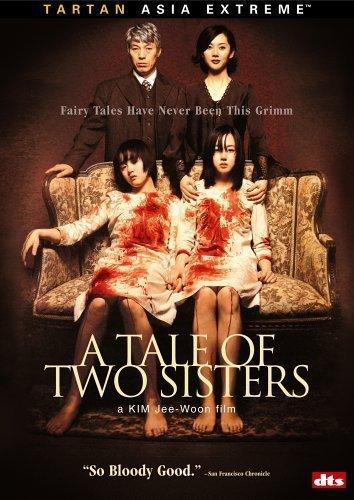
Korean title (romanized): Janghwa, Hongryeon. Director: Kim Jee-woon.
Horror type: Ghost story and psychological horror.
The setup: Two teenage sisters return to their family's house in the countryside, where their quiet father and a stepmother who wants very much to be in charge are waiting.
Why it is here: It is perhaps the clearest example of how Korean horror can be patient and visually lavish at the same time. The film loosely draws on Janghwa Hongryeon jeon, a Joseon-era folktale about two sisters and a cruel stepmother, though you do not need to know the tale to follow it.
What makes it frightening: Mostly atmosphere. Patterned wallpaper, half-open doors, and a very tense dinner table do the work, so the few sharp shocks land harder because the film has been so still.
Scare levels: Jump scares, medium. Gore, low to medium.
Heads-up: Family cruelty and grief are at the center. It rewards going in knowing as little as possible.
The Wailing (2016)
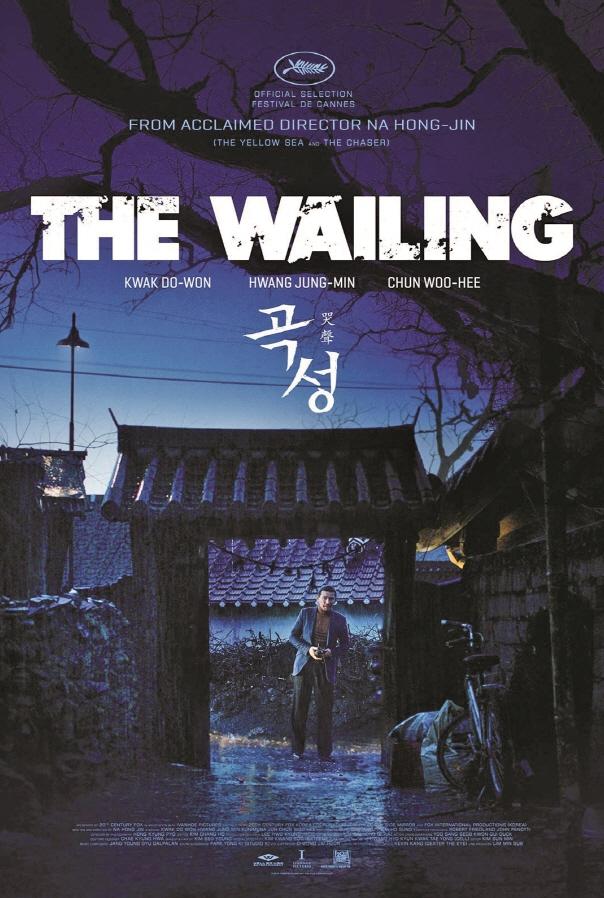
Korean title (romanized): Gokseong. Director: Na Hong-jin.
Horror type: Occult and folk horror, framed as a crime mystery.
The setup: In a rural village, a police officer looks into a string of violent deaths and a strange illness, while rumors gather around an outsider who recently moved to the area. Eventually a shaman is brought in.
A little context: A mudang is a Korean shaman, a ritual specialist believed to mediate between people and spirits, and a gut is the ritual itself, often performed with drums, bells, and dance. The film uses these as dramatic material; it is a thriller about fear and suspicion, not a documentary about how people practice shamanism today.
Why it is here: Choose it for a mystery that makes uncertainty itself frightening, with ritual and suspicion woven into the investigation.
What makes it frightening: Uncertainty. The film keeps you as unsure as its frightened, out-of-his-depth hero about whom to trust, and its ritual sequence is overwhelming in sound and editing.
Scare levels: Jump scares, medium. Gore, medium to high.
Heads-up: It is long and slow by design. Expect disturbing crime scenes and depictions of illness.
Train to Busan (2016)
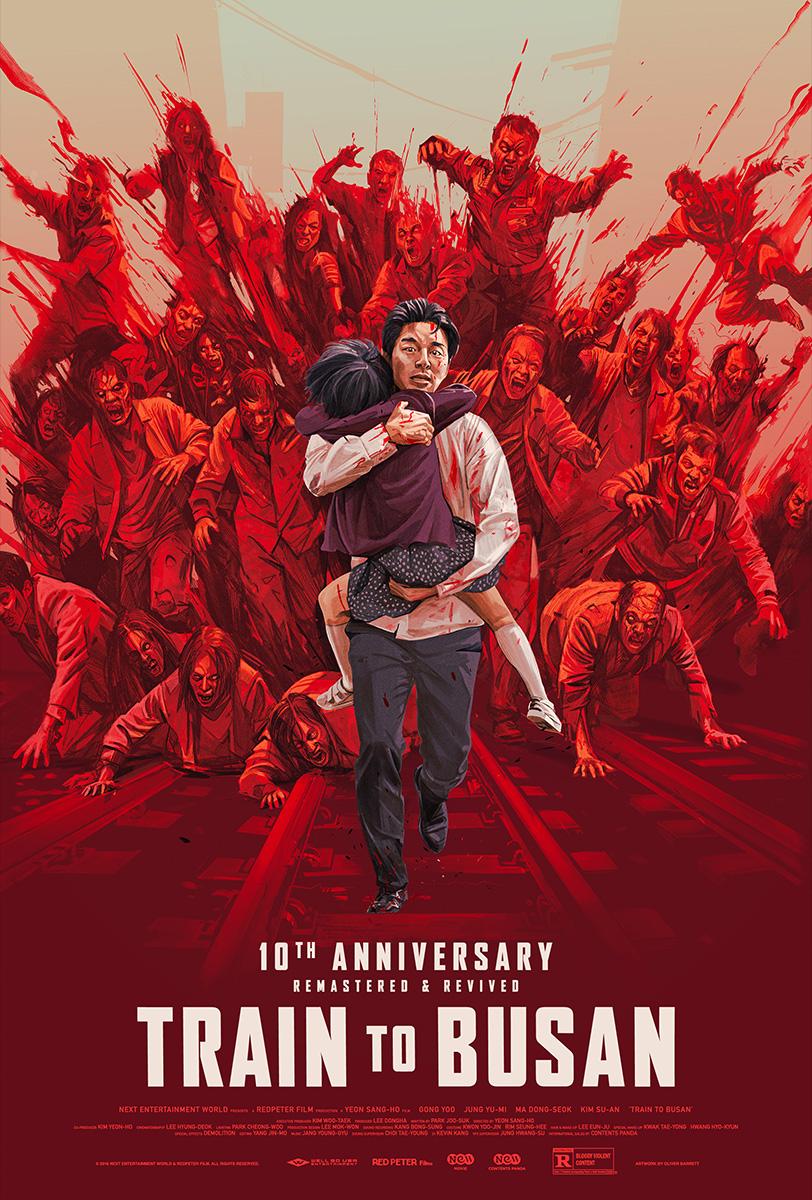
Korean title (romanized): Busanhaeng. Director: Yeon Sang-ho.
Horror type: Zombie and survival horror.
The setup: A workaholic father takes his young daughter on a KTX bullet train from Seoul to Busan on the same day a zombie outbreak begins.
Why it is here: If you have never seen a Korean horror film, start with this one. The stakes are clear, the pace barely lets up, and the story is as much about how strangers treat each other under pressure as it is about the undead.
What makes it frightening: Speed and crowding. The fear comes from relentless pursuit in narrow train cars, more sustained panic than a series of sudden shocks.
Scare levels: Jump scares, medium. Gore, medium.
Heads-up: A child is in danger for much of the film, and it is emotionally heavy in places.
Gonjiam: Haunted Asylum (2018)
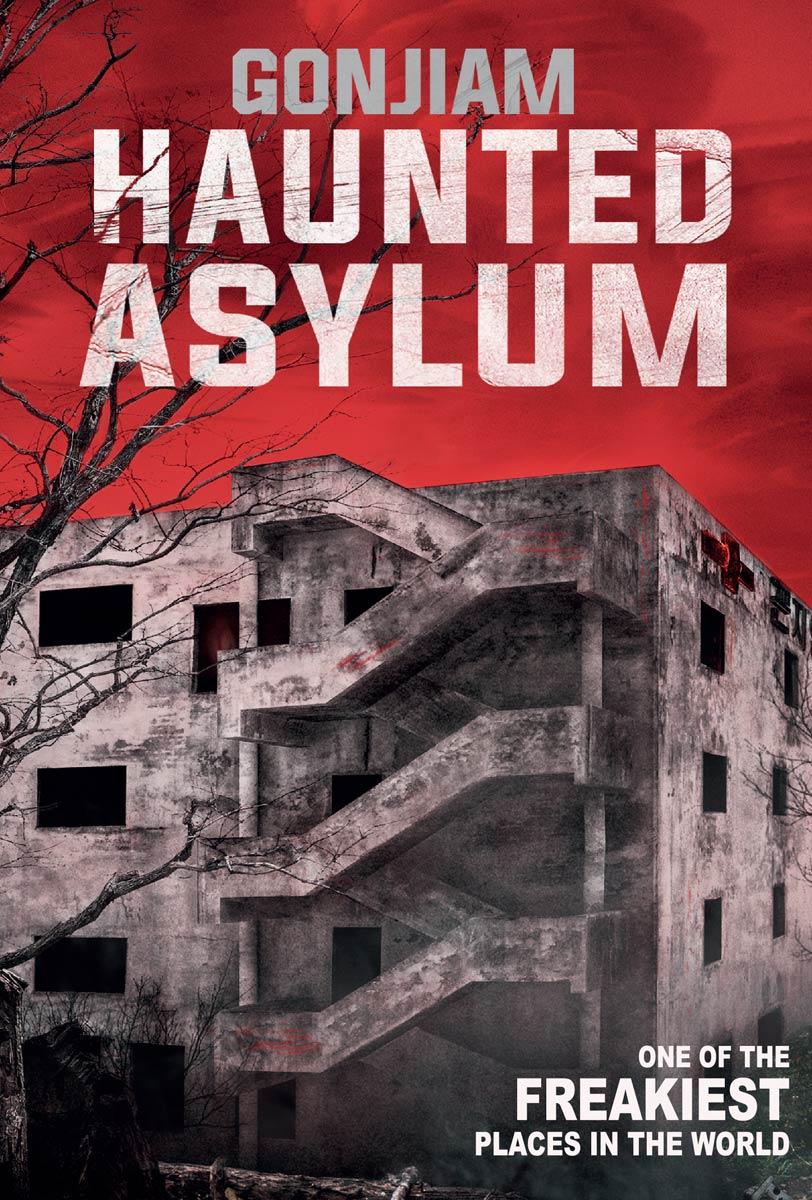
Korean title (romanized): Gonjiam. Director: Jung Bum-shik.
Horror type: Ghost story, found footage.
The setup: The crew of a horror web series livestreams an overnight visit to an abandoned psychiatric hospital, hoping to rack up views.
Why it is here: It is the purest jump-scare film on this list and, unusually, one that relies very little on gore. The livestream format, with cameras strapped to the cast, will feel familiar to anyone who watches online ghost-hunting content.
What makes it frightening: Darkness, waiting, and sudden noise. It builds slowly, then stacks one sharp shock on another in its second half.
Scare levels: Jump scares, high. Gore, low.
Heads-up: Shaky, dark camerawork may bother viewers prone to motion sickness. The setting is a psychiatric hospital.
Whispering Corridors (1998)
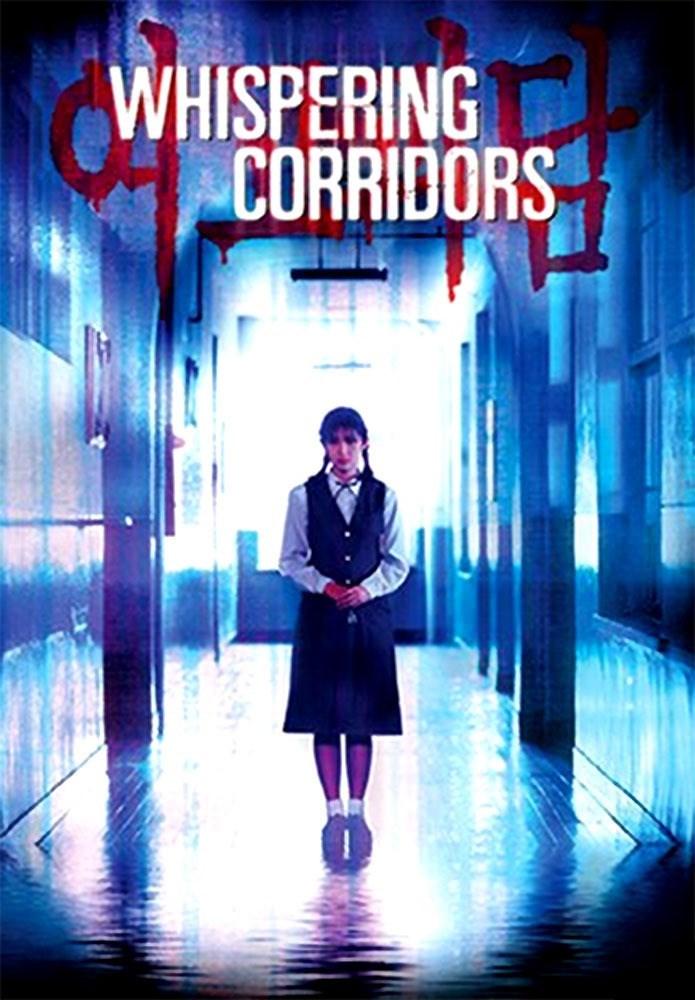
Korean title (romanized): Yeogo goedam. Director: Park Ki-hyung.
Horror type: Ghost story with a social edge.
The setup: At an all-girls high school, the sudden death of a teacher revives rumors that a student who died there years earlier never left.
A little context: The teachers in this film are harsh to the point of abuse, and the story is pointedly critical of rigid discipline and ranking students against one another. That critique belongs to this particular film and its fictional school, not to every Korean classroom.
Why it is here: It pairs a school haunting with a critique of authority, making it a useful starting point for this strand of Korean ghost stories.
What makes it frightening: A sense of being watched in places that should feel safe, such as hallways, classrooms, and the old school building. It was the first of a loosely connected series of girls' school horror films, each with its own story.
Scare levels: Jump scares, medium. Gore, medium.
Heads-up: Suicide, bloody violence, and abuse of students by teachers are part of the story. Some effects show their age.
Sleep (2023)
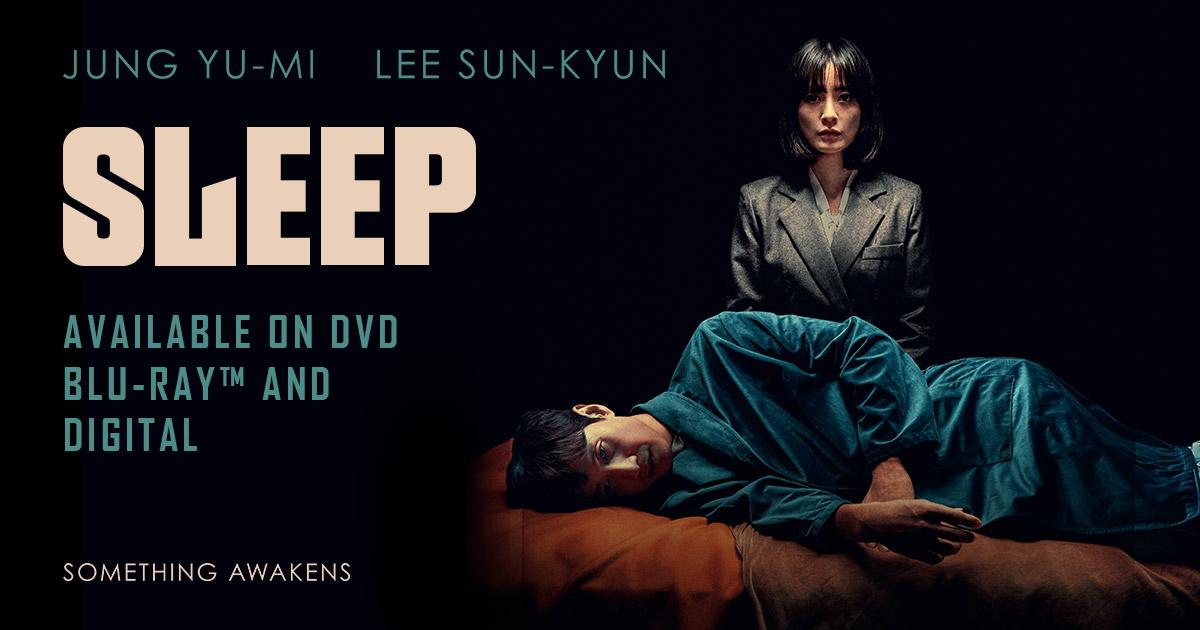
Korean title (romanized): Jam. Director: Jason Yu.
Horror type: Psychological horror with darkly comic moments.
The setup: A newly married couple is expecting their first child when the husband begins sleepwalking, and his nighttime behavior grows more alarming each week.
Why it is here: It is the best choice on this list for viewers who find the ordinary scarier than the supernatural. The question of what is really behind the sleepwalking keeps the tension high, and the small apartment setting makes everything feel close.
What makes it frightening: The fear of not being safe in your own bed, and of not fully knowing the person beside you. Most scenes are quiet; a few are sudden and grotesque.
Scare levels: Jump scares, medium. Gore, medium.
Heads-up: A pregnant woman and a baby are placed in danger.
The Host (2006)
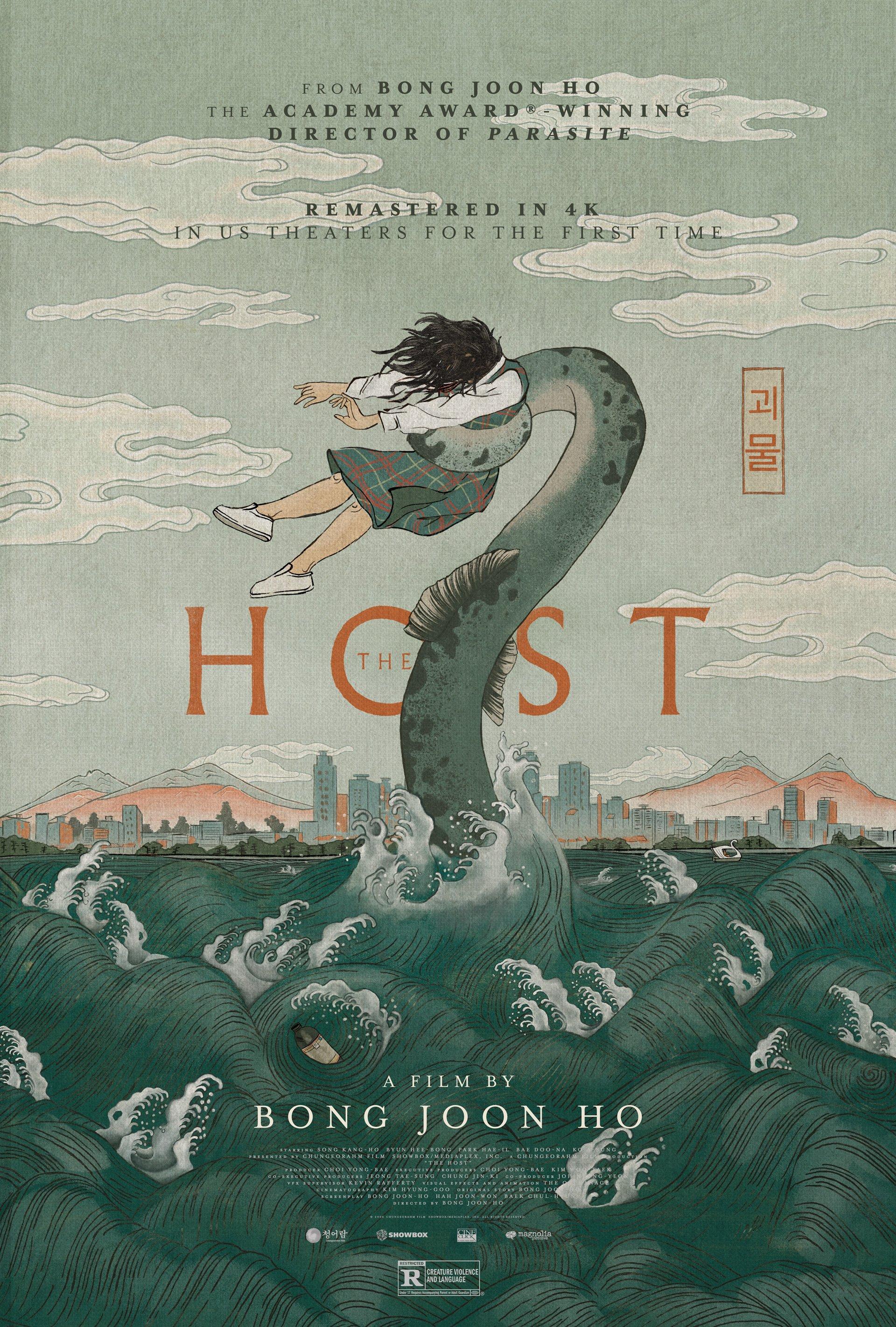
Korean title (romanized): Gwoemul. Director: Bong Joon-ho.
Horror type: Creature horror crossed with family drama and satire.
The setup: A creature rises from Seoul's Han River on an ordinary afternoon, and when a snack-stand owner's young daughter is taken, his scattered family goes looking for her.
Why it is here: It shows how freely Korean genre films mix tones. The monster attacks in broad daylight, the family is often comic, and the government response is its own kind of nightmare.
What makes it frightening: Exposure. There is nowhere dark to hide, and the creature is fast. It is less frightening overall than most entries here, and closer to a monster thriller than straight horror.
Scare levels: Jump scares, medium. Gore, low to medium.
Heads-up: A child in danger is central to the plot.
The Call (2020)
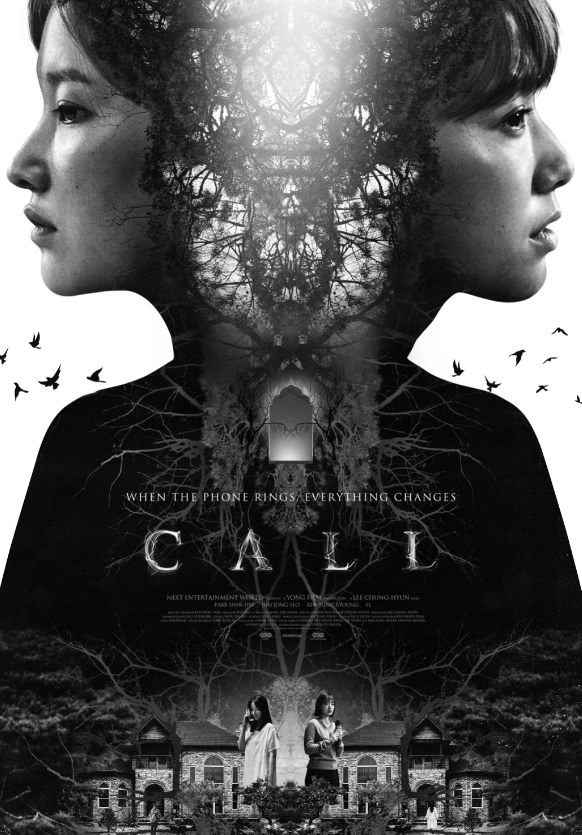
Korean title (romanized): Kol. Director: Lee Chung-hyun.
Horror type: Thriller with a supernatural premise, sitting on the border of horror.
The setup: A young woman staying in her childhood home receives calls on an old landline from another woman living in the same house twenty years earlier.
Why it is here: The time-crossing phone premise gives it a ghost-story chill, and the two lead performances drive it. It is loosely based on the 2011 film The Caller but is a South Korean production with its own story.
What makes it frightening: Escalation. As the women's connection changes, the tension turns from eerie to violent, and the film works more like a thriller than a haunting.
Scare levels: Jump scares, medium. Gore, high.
Heads-up: Bloody violence and abuse within a family.
#Alive (2020)
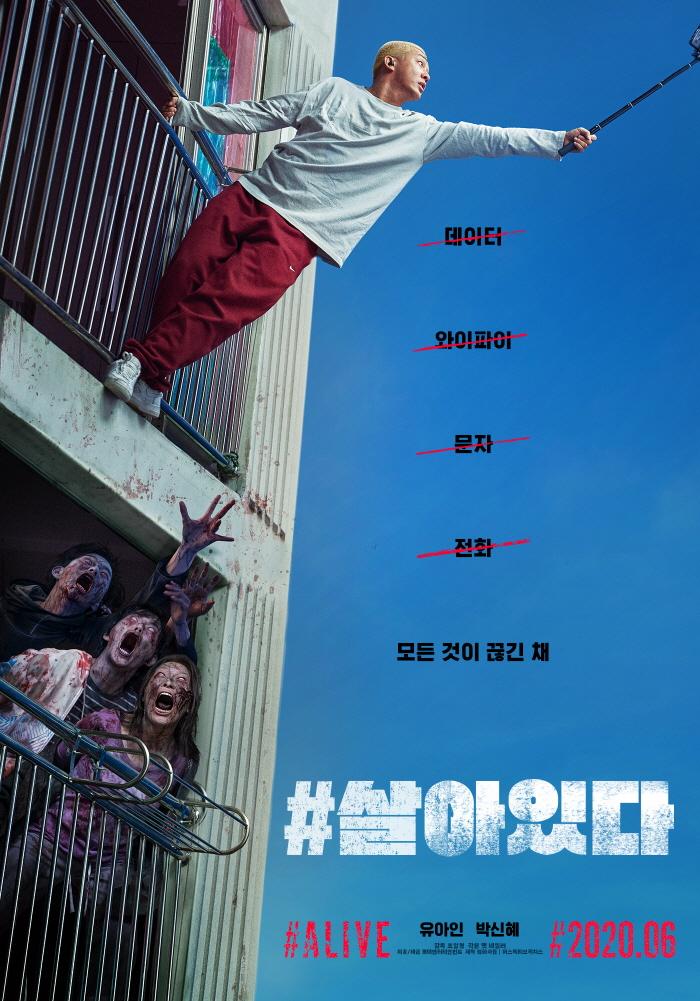
Korean title (romanized): #Saraitda. Director: Cho Il-hyung.
Horror type: Zombie and survival horror, contained.
The setup: A young gamer is trapped alone in his high-rise apartment when a zombie outbreak hits the city, until he notices another survivor across the way.
Why it is here: It is a good second zombie film after Train to Busan, smaller in scale and built around isolation, phones, and the long wait for help. Its fast-moving infected keep the pressure on.
What makes it frightening: Confinement. Every trip outside the apartment door is a risk, and much of the fear comes from what the characters can only see through a window or a screen.
Scare levels: Jump scares, medium. Gore, medium.
Heads-up: Frequent zombie attacks, bloody injuries, and a suicide attempt.
Which Korean horror movie should you watch first?
If this is your first Korean horror film, start with Train to Busan. Follow it with The Host if you liked the mix of action and emotion, or with Exhuma if you want something a little darker and more rooted in Korean tradition.
If you love ghost stories, try A Tale of Two Sisters first for mood and craft, then Whispering Corridors. If you want your ghosts loud and sudden, Gonjiam: Haunted Asylum is the one.
If you prefer less gore, Gonjiam: Haunted Asylum is the clearest choice here, though its jump scares and sustained terror are intense. A Tale of Two Sisters focuses more on atmosphere but still includes disturbing images and violence. Whispering Corridors has bloody scenes and suicide themes, so it is not a gentle option. Be especially cautious with The Call, The Wailing, and Exhuma if graphic injuries bother you.
If you want a film that stays with you, choose The Wailing or Sleep. Both leave room for interpretation, and both are better discussed with someone afterward.
A note on where to watch: streaming availability for Korean films in the United States changes often, and titles move between services or leave them entirely. Check a current listing before you plan a movie night.
These ten films show how Korean horror can combine supernatural fear with family conflict, social pressure, or survival. Choose the kind of tension you enjoy, then use the content notes to narrow your movie-night pick.