Why is my skin so oily? Here are six common causes, why oily skin can still be dehydrated, and a light four-step K-beauty routine that controls shine without stripping your skin.
If your forehead is shining by mid-morning and blotting papers have become a permanent resident of your bag, the question tends to arrive on its own: why is my skin so oily? The short answer is that your sebaceous glands are producing more sebum than your skin needs, and how much they produce depends on things you cannot change, such as genetics, hormones, age and climate, as well as things you can, like your products and how hard you wash.
Sebum itself is not the enemy. It is a blend of fats, including squalene, wax esters, triglycerides and free fatty acids, and it plays a real part in the skin’s protective barrier and its natural defenses. Dermatologists note that oily skin also tends to be thicker and less prone to wrinkles. The goal is balance, not removal.
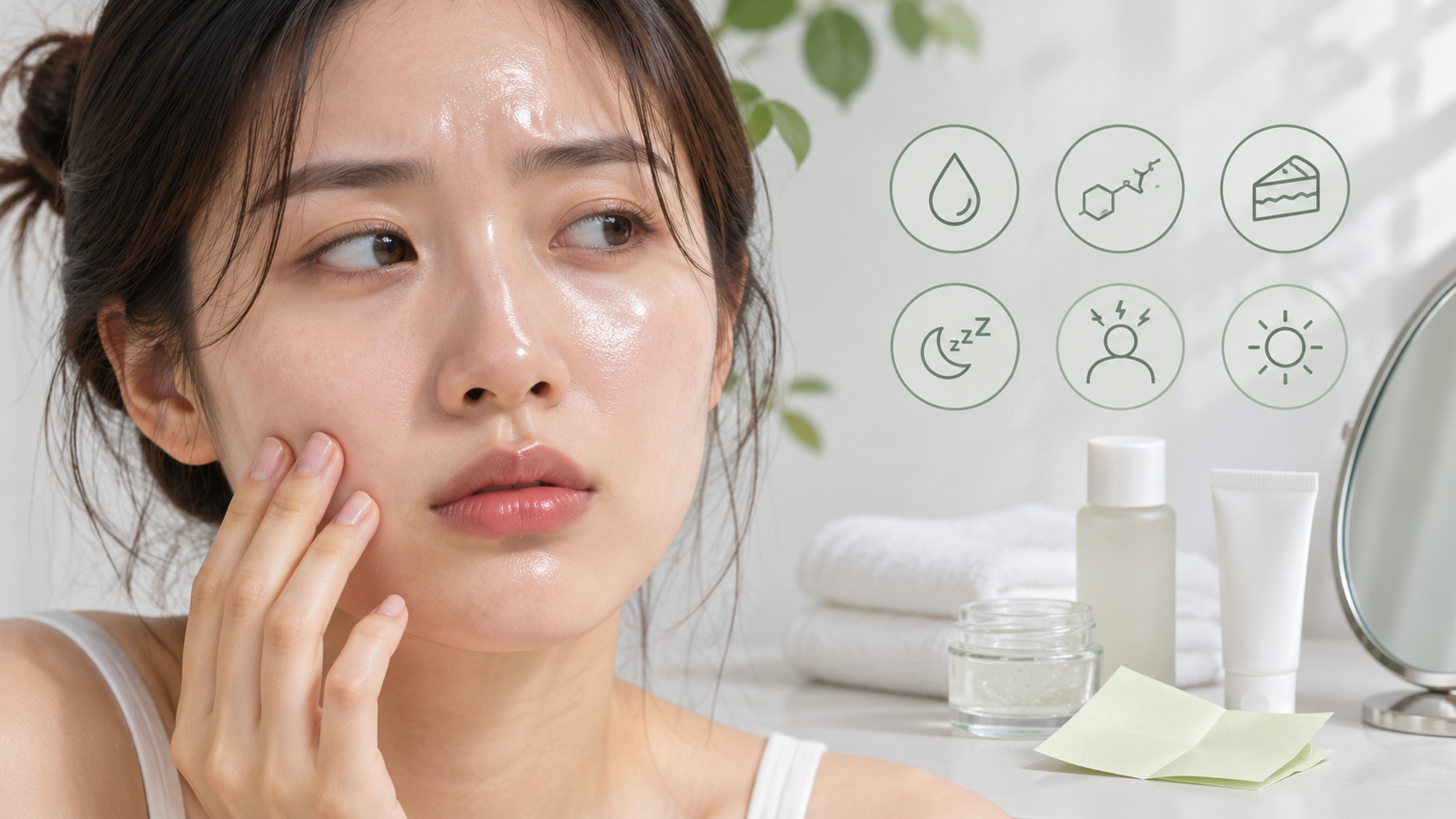
6 Common Causes of Oily Skin
Most people have more than one of these at work at the same time.
- Genetics. Oily skin tends to run in families, so a parent’s shiny T-zone is often a preview of your own.
- Hormones. Androgens, often described as male hormones although everyone produces them, are the main drivers of sebum production. This is why men tend to have oilier skin on average, and why oil output can shift across the menstrual cycle, with an increase reported around ovulation.
- Age. Sebum production rises sharply at puberty and stays relatively high through adulthood, declining after menopause for women and in the sixties and seventies for men. Skin that was oily at 22 may behave quite differently at 45.
- Climate and season. Studies have recorded higher sebum output in spring and summer and in humid climates. A routine that feels right in a Chicago winter can feel far too heavy in a Houston August.
- Products that are too heavy. Rich creams and oil-based formulas made for dry skin can leave oily skin feeling greasy and congested. Combination skin often runs into this when the whole face gets the same rich cream.
- Over-cleansing and harsh exfoliation. Scrubbing and stripping cleansers irritate the skin, and dermatologists warn that a face wash that is too harsh can trigger increased oil production rather than less.
Can Oily Skin Still Be Dehydrated?
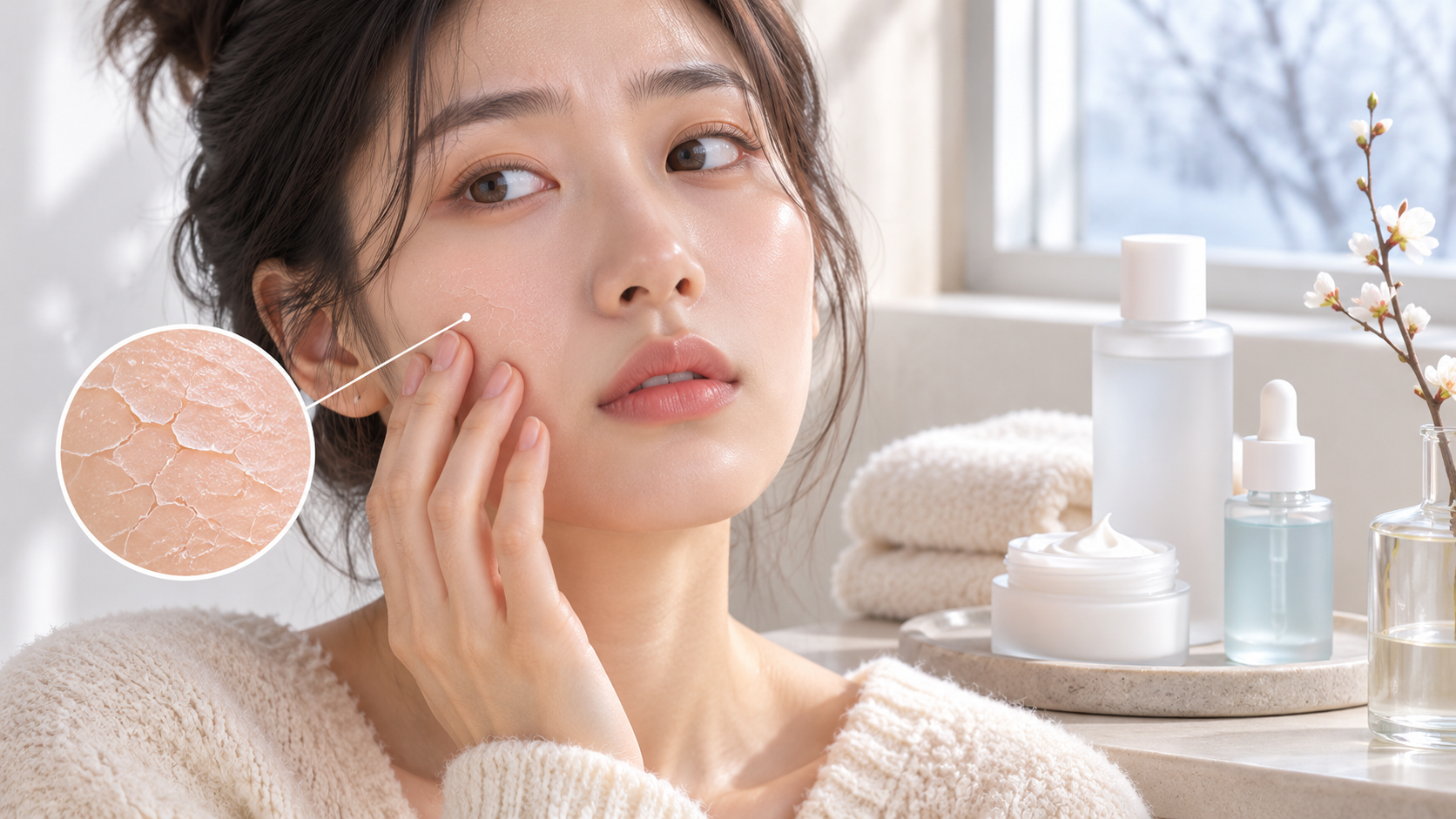
It can. Oil and water are two different things in the skin. “Dry” describes a skin type that produces relatively little sebum, while “dehydrated” describes a temporary state in which the outer layer of the skin is short on water. Because one concerns oil and the other concerns water, a face can be shiny and dehydrated at the same time.
Dehydrated oily skin often feels tight after cleansing and looks dull even while the T-zone shines; dry indoor heat, air conditioning, sun exposure and harsh products can all contribute.
This does not mean every oily face is secretly dehydrated; many people simply have active oil glands and well-hydrated skin. But if your skin feels tight and greasy at once, the answer is a lighter, water-based moisturizer, not skipping moisturizer altogether.
How to Manage Oily Skin
The guidance from the American Academy of Dermatology is refreshingly simple:
- Wash up to twice a day, and after sweating, with a gentle foaming face wash. Avoid oil-based and alcohol-based cleansers, which can irritate oily skin.
- Look for “oil-free” and “noncomedogenic” on labels, including makeup and sunscreen.
- Moisturize after cleansing. In the morning, a moisturizer with broad-spectrum SPF 30 or higher saves a step.
- Wear sunscreen whenever you are outdoors. If you break out easily, look for zinc oxide or titanium dioxide, and skip formulas with fragrance or oils.
- Blot instead of wiping. Press the paper on for a few seconds; rubbing only spreads the oil to other areas.
- Remove all makeup before bed, and keep your hands off your face during the day.
Exfoliating acids such as salicylic and glycolic acid can help reduce oiliness, but they can also be too harsh. If your skin becomes irritated, use them less often or stop.’
A Simple K-Beauty Routine for Oily Skin
Korean skincare is often associated with ten-step routines, but the part that serves oily skin best is its fondness for light textures. K-beauty brands make a wide range of gel creams and watery toners designed to hydrate without weight. The Korean word for the feel they aim for is chok-chok (촉촉), meaning moist and supple rather than greasy.
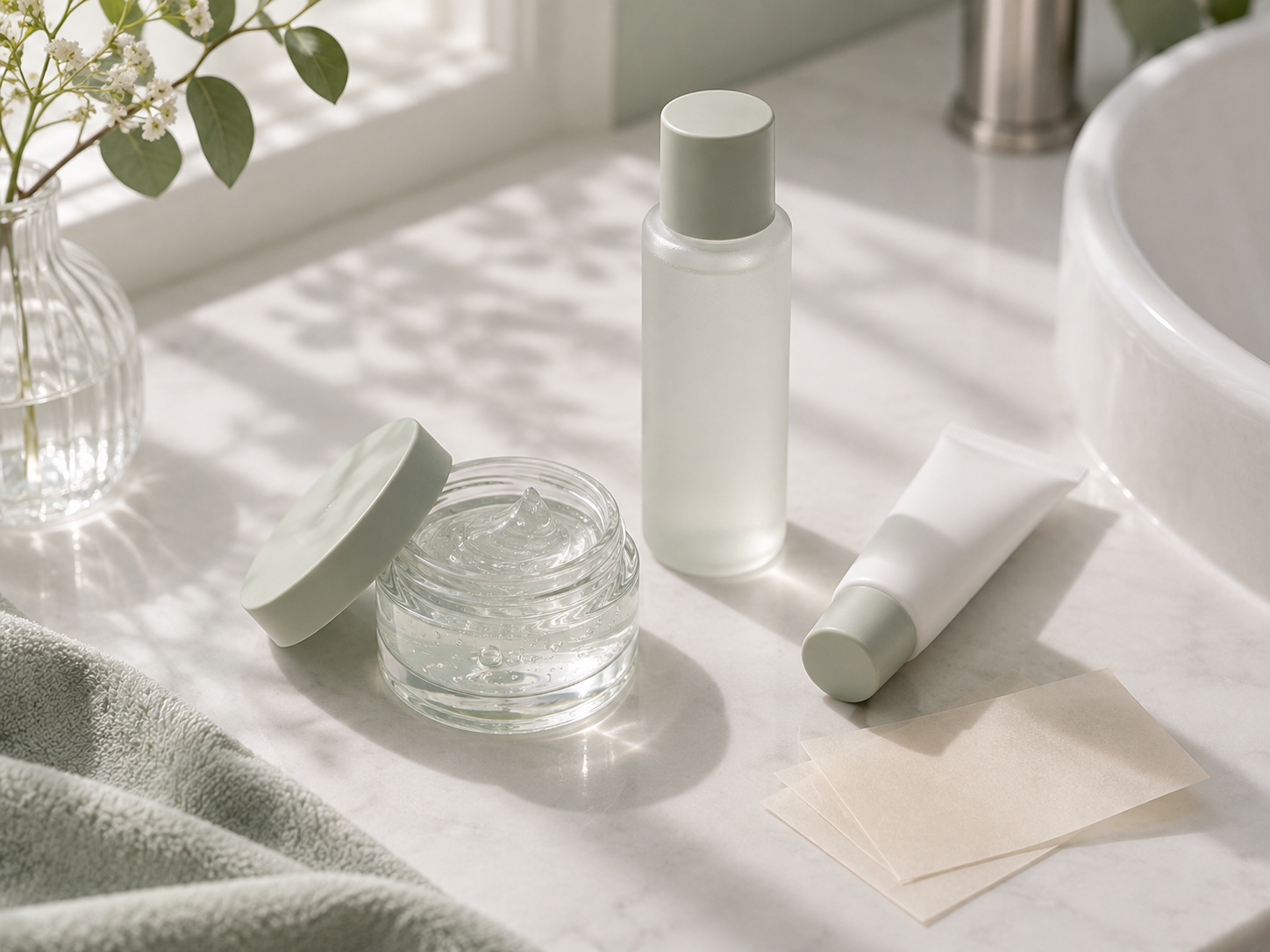
You do not need many steps. Four is plenty, and on humid days fewer can work:
- Gentle cleanser. A mild gel or foam cleanser, morning and night. The well-known Korean double cleanse starts with a cleansing oil or balm, but because dermatologists advise people with oily skin to avoid oil-based cleansers, a single gentle water-based cleanser is the safer default.
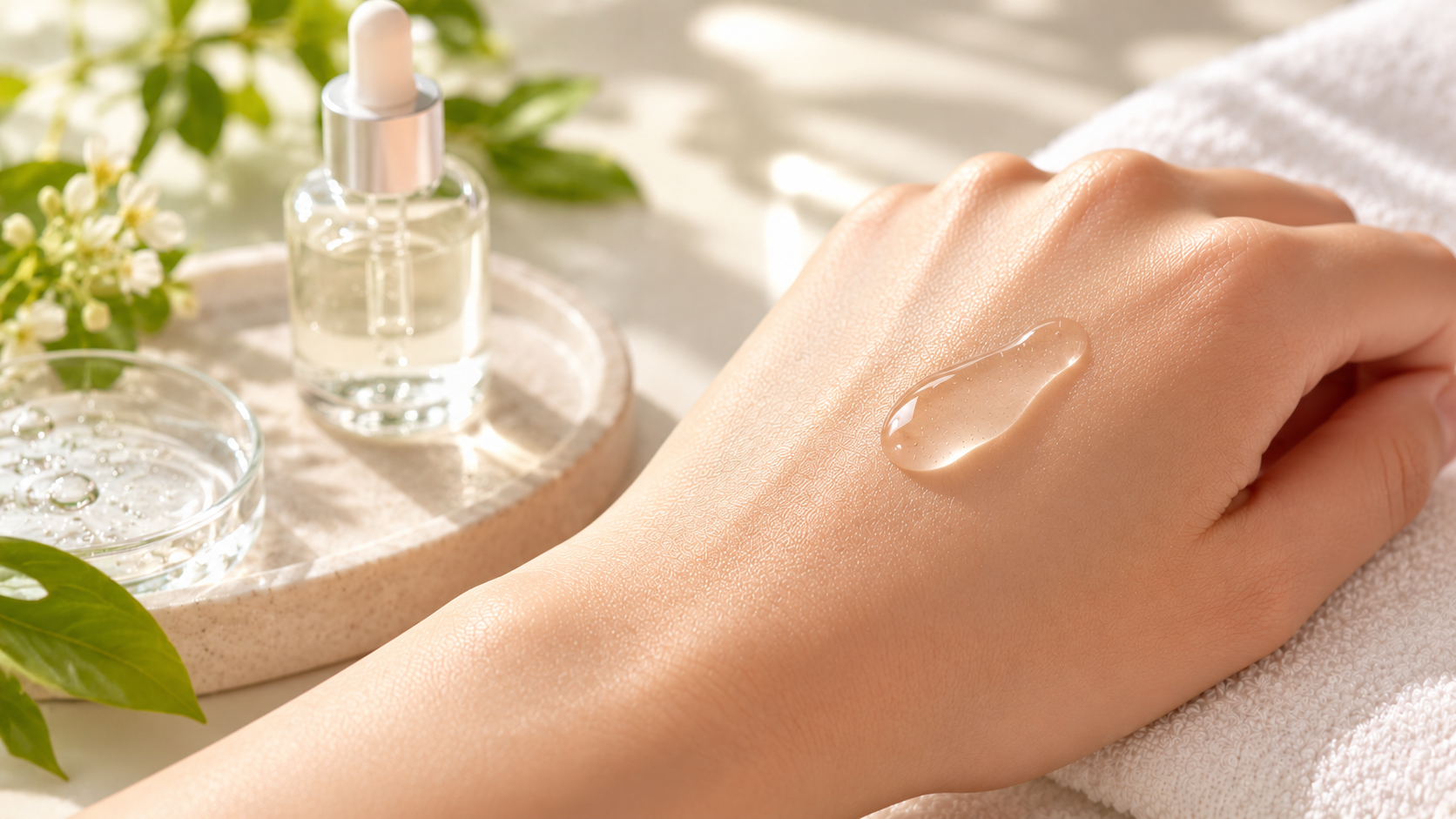
- Hydrating toner or light serum (optional). In Korea, toner is often called “skin” (스킨), and it is a watery hydrating step rather than the alcohol astringent many Americans remember from high school. Choose an alcohol-free formula. A light serum with niacinamide is another option, since the ingredient has some research behind it for reducing shine.
- Gel or lotion moisturizer. This is the step where texture matters most. A gel cream feels cool and absorbs quickly, while a lotion gives drier cheeks a little more cushion. If you have combination skin, you can use a gel on the T-zone and a lotion where you need it.
- Sunscreen in the morning. Fluid and gel textures tend to sit more comfortably on oily skin than thick creams. Check that the label says noncomedogenic.
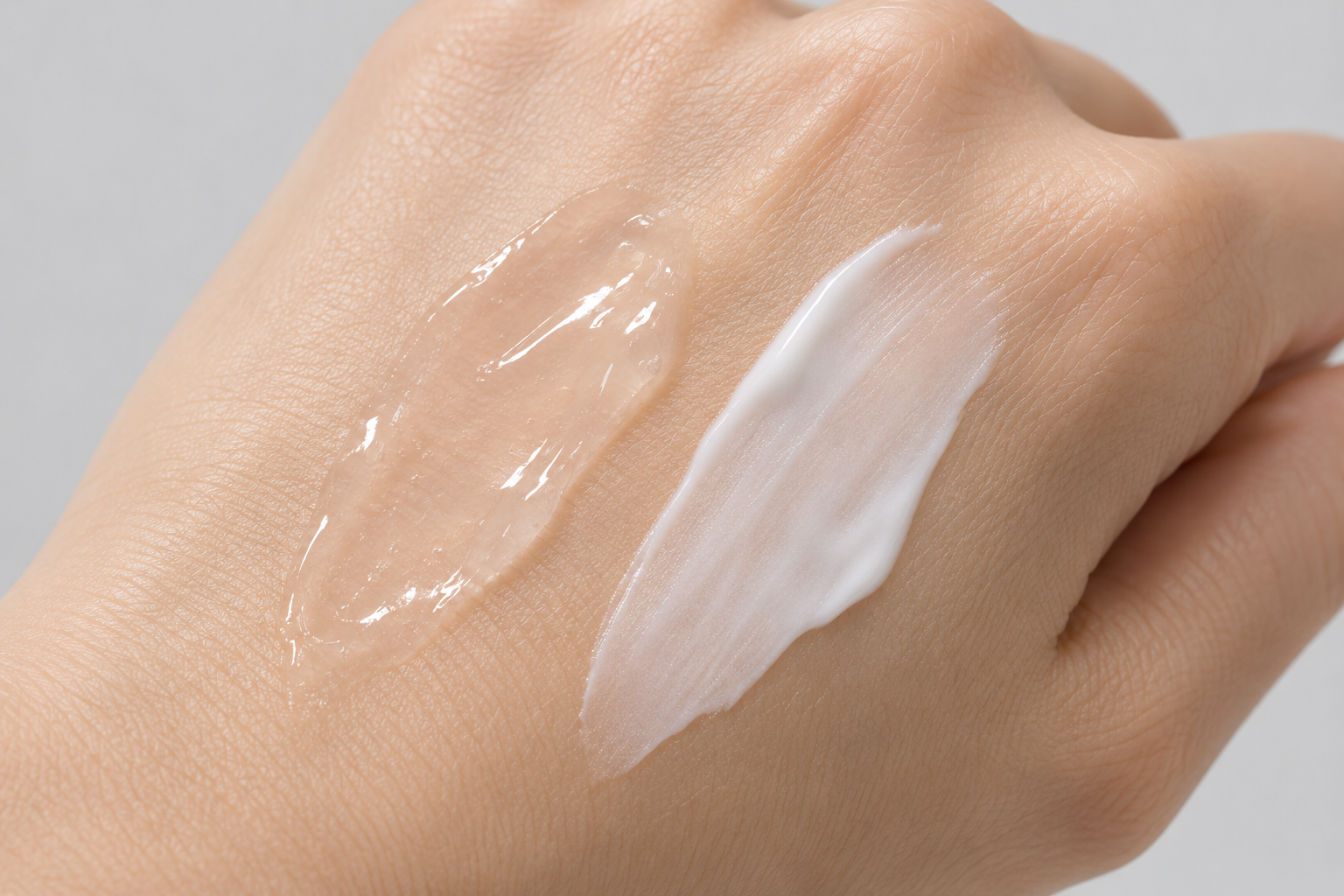
When shopping, the label is more useful than the marketing. Words like “gel” and “fluid” usually signal a lighter texture, while “noncomedogenic” means the product is formulated not to clog pores. Add one new product at a time so you can tell what is actually helping.
Common Mistakes to Avoid
- Washing more often to fight the shine. Extra washing tends to irritate the skin rather than calm it.
- Scrubbing or exfoliating every day.
- Skipping moisturizer because your face already feels greasy.
- Replacing your entire routine at once, which makes it impossible to know what worked.
Give a consistent routine a month or two. If your skin becomes oily suddenly, if the oil comes with persistent blackheads or painful, widespread acne, or if nothing improves after a couple of months, a board-certified dermatologist can look for underlying causes and discuss prescription options.
Balance Your Skin, Don’t Strip It
Oily skin is not a flaw to be scrubbed away. It is skin doing its protective work a little too enthusiastically, and it responds best to gentle cleansing paired with a moisturizer light enough to wear every day. The lighter textures that Korean skincare has made so easy to find are useful precisely because they let you keep that moisturizer without adding shine.