What is hyaluronic acid, and what can it really do for your skin? A clear look at how this water-binding ingredient works, what the research supports, which formats suit your skin type, and how Korean routines layer it for everyday hydration.
Hyaluronic acid is a water-binding molecule your body already makes. In skin, it is the main molecule involved in holding moisture, and when it appears on a serum or cream label, it is there for the same reason: to attract water and keep it in the upper layers of the skin. Despite the name, it is not an exfoliating acid. It does not peel or resurface anything, which is the main thing that separates it from the acids people usually approach with caution.
The skin’s own supply declines with age, and one review of the research places the start of that decline in the mid-twenties. Applying hyaluronic acid to the surface does not rebuild what is lost deeper down. What it does is more modest and more immediate: it hydrates the outer layers, which makes skin feel softer and makes fine lines caused by dryness less visible. That is a useful job. It is also the whole job, and knowing that before you shop saves a lot of disappointment.
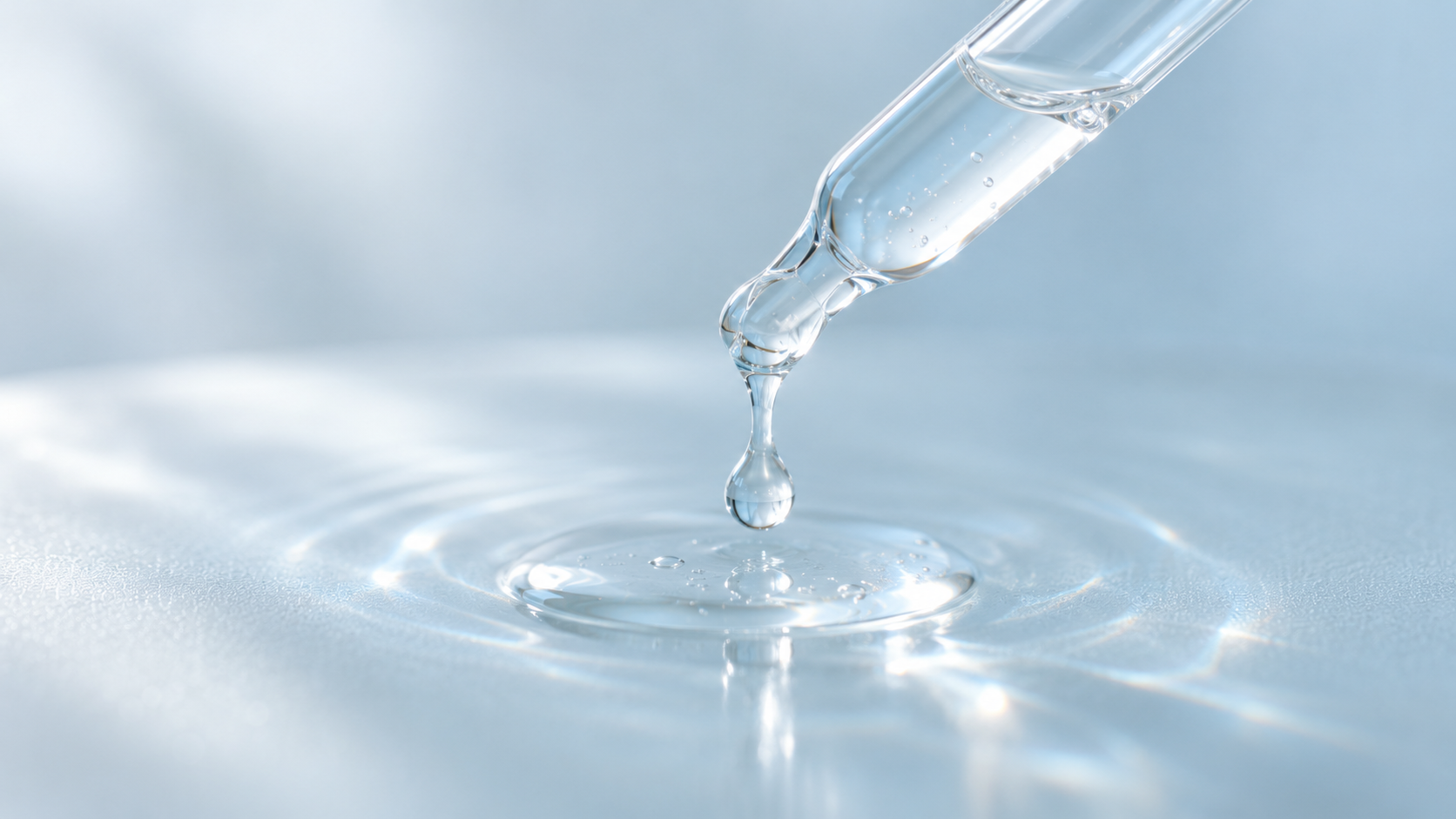
What Does Hyaluronic Acid Do for Your Skin?
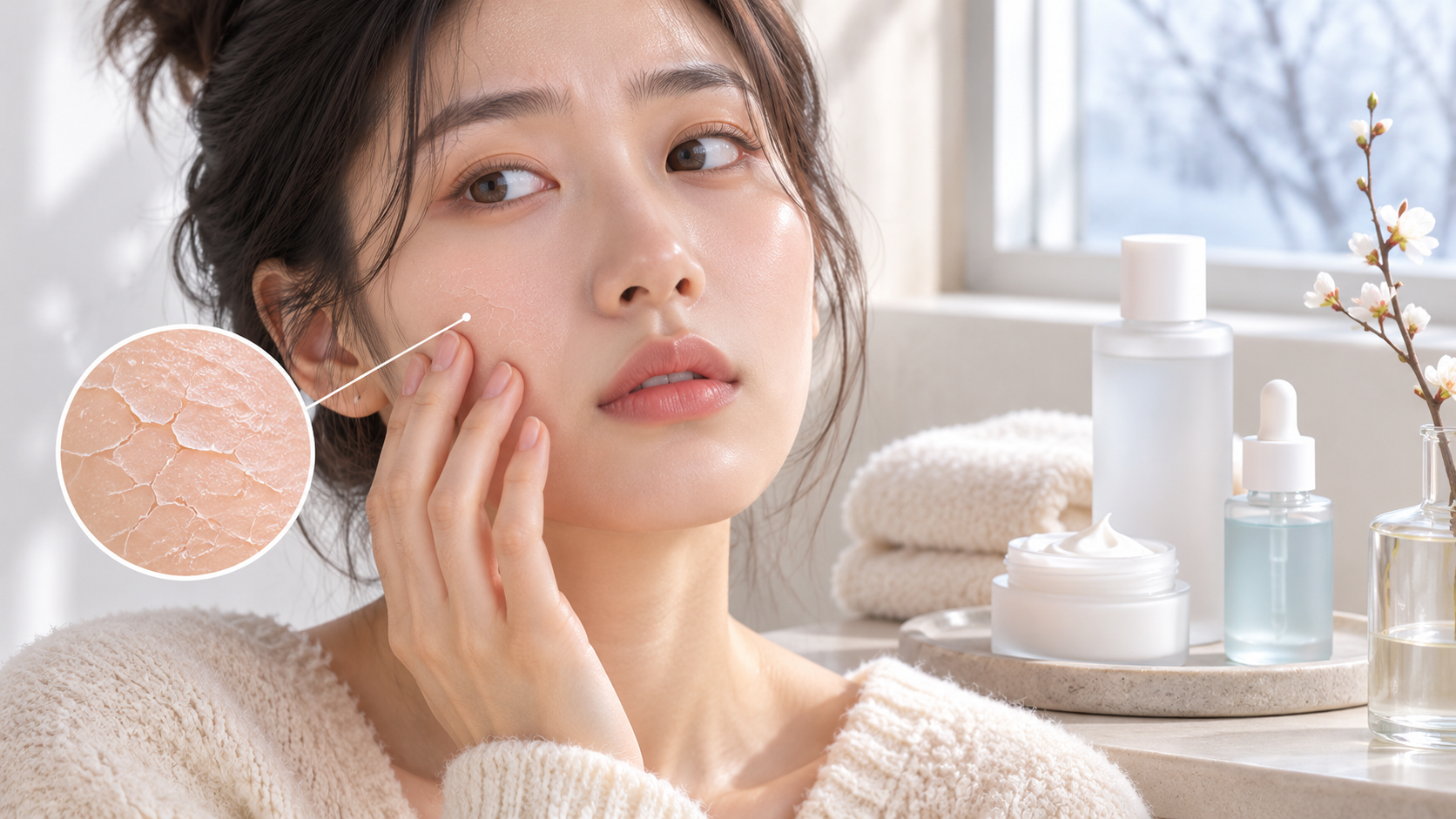
Hyaluronic acid is a humectant, a category of ingredient that draws water toward itself and holds it. Glycerin is another familiar one. Applied to skin, a humectant pulls water into the upper layers and keeps it there for a while, which is why skin looks plumper right after application and why dehydration lines, the fine crosshatching that shows up on tight, dry skin, soften.
The clinical evidence for these hyaluronic acid benefits for skin is reasonable for a cosmetic ingredient, with clear limits. In a 60-day randomized trial, 76 women aged 30 to 60 applied creams containing 0.1% hyaluronic acid around the eyes twice a day. Every version improved skin hydration and elasticity compared with a plain cream. Only the two smallest molecule sizes, however, produced a measurable reduction in wrinkle depth, and the researchers suggested that smaller fragments simply get further into the skin. A later literature review reached a similar overall conclusion: topical hyaluronic acid improves hydration and the look of aging skin without any needle involved.
Two caveats matter. First, the effect depends on continued use; hydration is maintained, not stored. Second, molecule size changes what a product can do. Large hyaluronic acid mostly stays on the surface, where it forms a moisture-holding film, while smaller fragments can reach the upper layers of the epidermis. Neither works like an injectable filler, which is a cross-linked gel placed under the skin by a clinician and is a different product with a different purpose.
Hyaluronic acid, sodium hyaluronate, and the label
On an ingredient list, you may see Hyaluronic Acid, Sodium Hyaluronate, Hydrolyzed Hyaluronic Acid, or several at once. Sodium hyaluronate is the sodium salt of hyaluronic acid and is one of the forms brands most often use; hydrolyzed hyaluronic acid has been broken into smaller pieces. The US Cosmetic Ingredient Review expert panel has assessed hyaluronic acid and its salts and considers them safe as used in cosmetics. The name alone does not tell you molecule size, so when a brand describes “multi-weight” or “low molecular weight” hyaluronic acid, that is the detail that actually describes the formula.
How it differs from AHAs and BHAs
Alpha hydroxy acids such as glycolic and lactic acid, and beta hydroxy acids such as salicylic acid, are exfoliants. They loosen and shed the surface layer of skin, and AHAs can increase sensitivity to the sun, which is why US regulators recommend sunscreen while using them and for a week afterward. Hyaluronic acid does none of this. In its name, “acid” is a chemistry label rather than a description of how it behaves on your face. Many people use both, an exfoliant to resurface and hyaluronic acid to hydrate.
Is Hyaluronic Acid Good for Every Skin Type?
Most skin tolerates it well. The real decision is the format, and that depends on what your skin already does.
- Dry skin: A hyaluronic acid serum on its own is not enough. Pair it with a richer cream containing emollients or occlusives, such as ceramides, squalane, shea butter, or petrolatum, so the water it attracts has something holding it in.
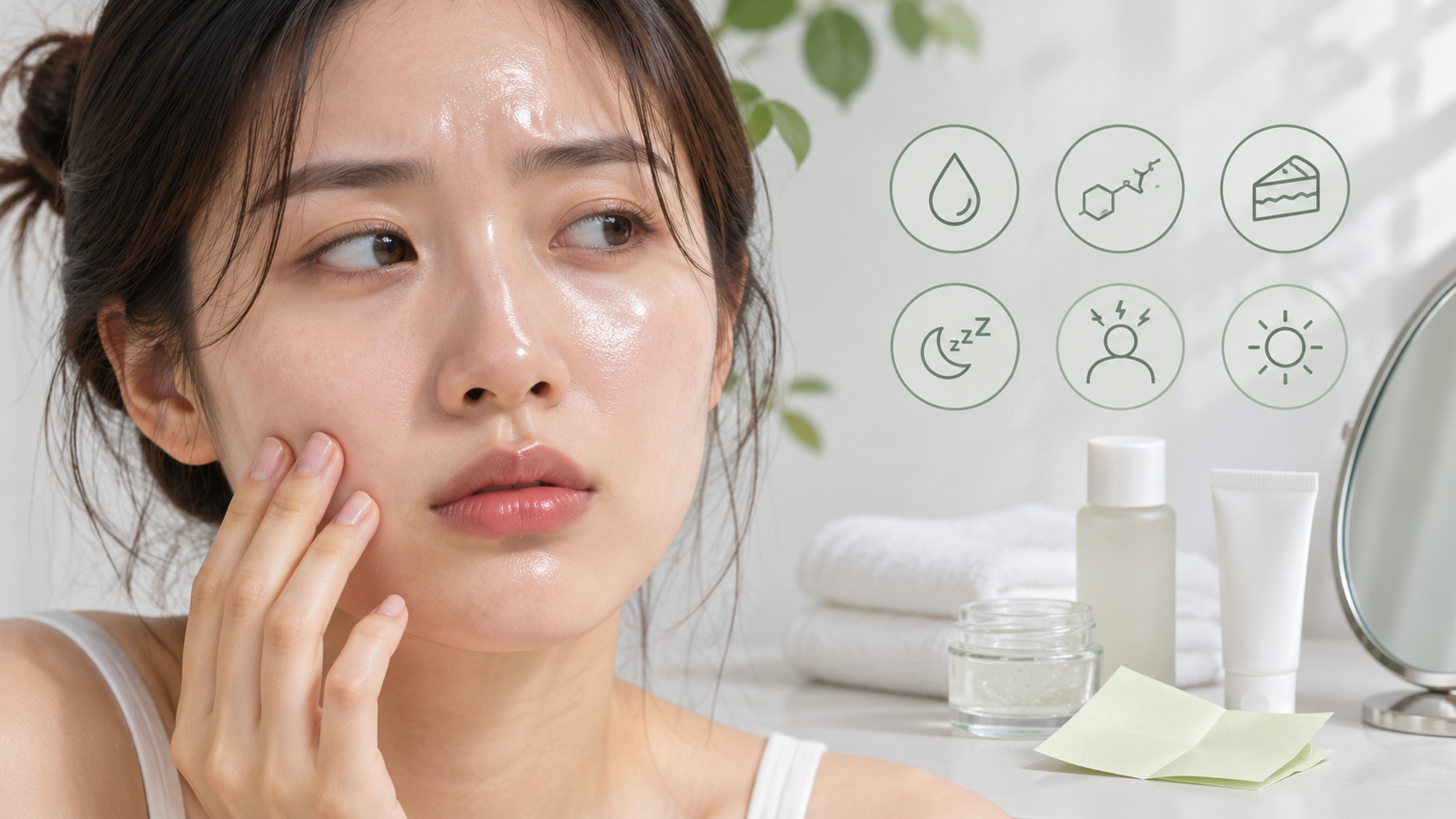
- Oily or acne-prone skin: Look for watery serums, gel textures, and oil-free moisturizers. Oil and water are different things, and oily skin can still feel dehydrated.
- Combination skin: Use a light layer all over and add cream only where skin feels tight, usually the cheeks.
- Sensitive skin: Choose short, fragrance-free formulas and patch test first. Hyaluronic acid itself is generally well tolerated, but a serum contains other ingredients too.
How to Use Hyaluronic Acid in Your Skincare Routine
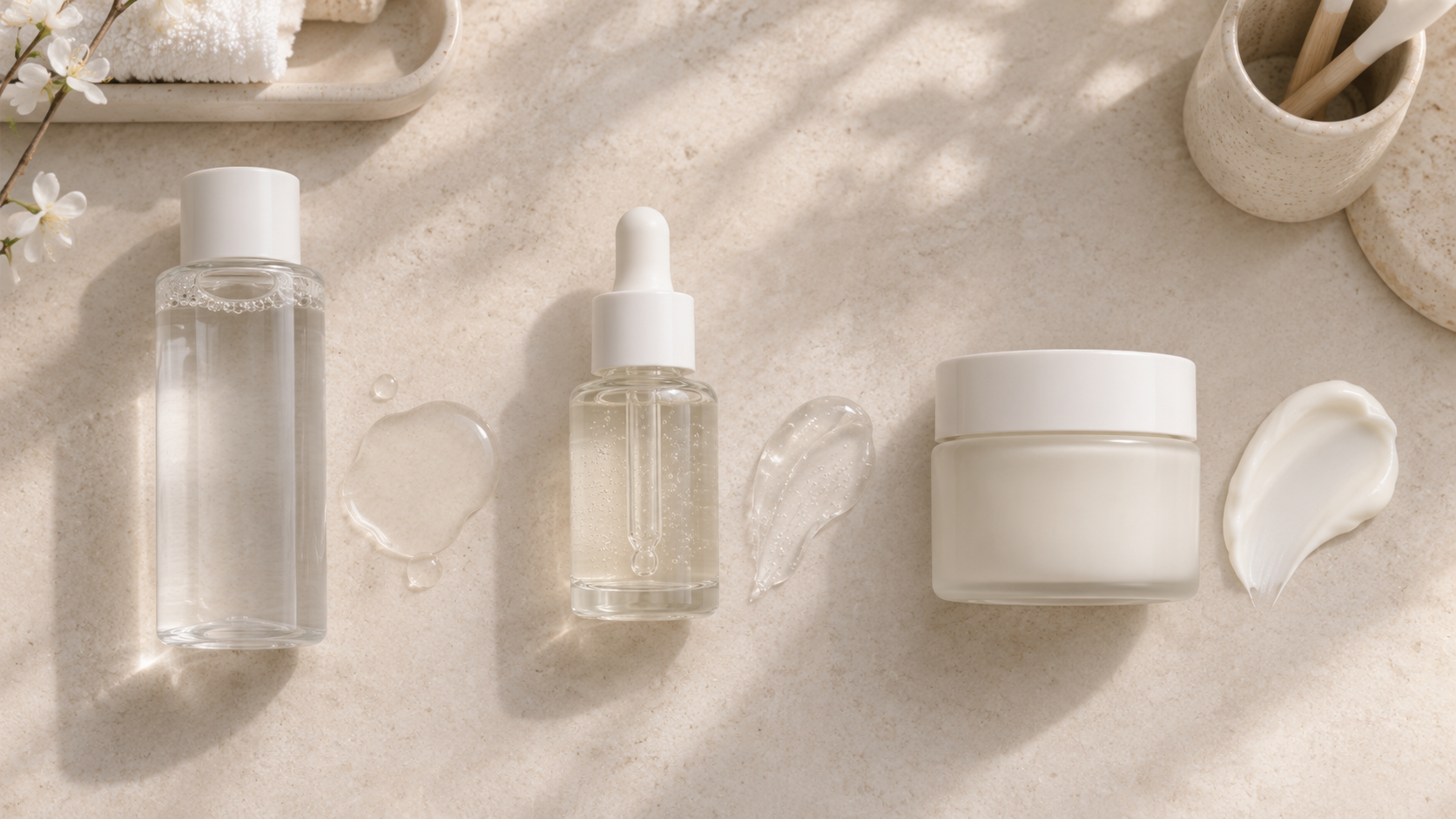
The basic rule is lightest to heaviest:
- Cleanse gently and leave skin slightly damp, or mist it lightly.
- Apply a hydrating toner if you use one.
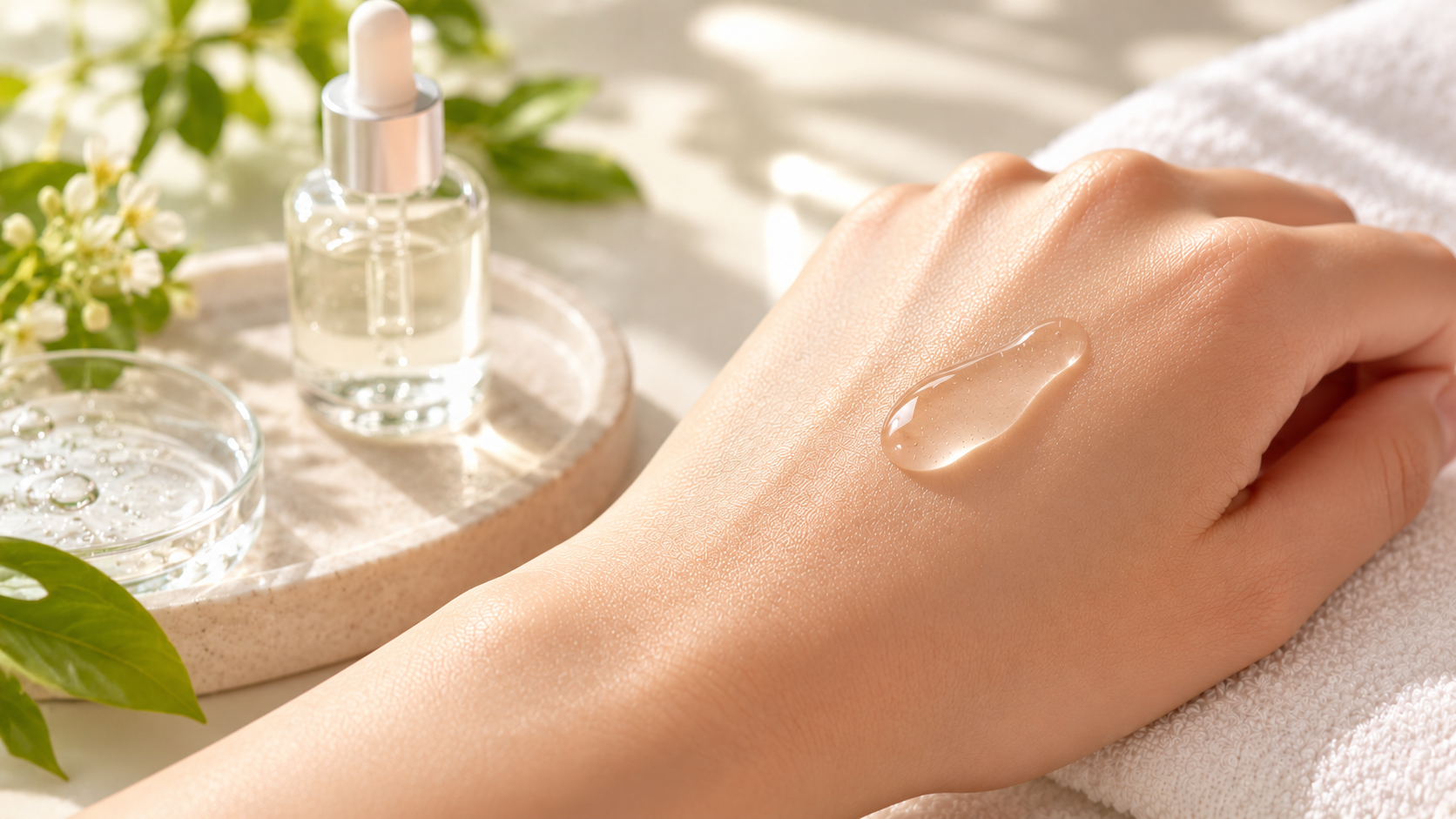
- Press a few drops of hyaluronic acid serum into skin while it is still damp.
- Follow with moisturizer soon after, before the serum dries down completely.
- In the morning, finish with a broad-spectrum sunscreen.
Moisturizer is the step people skip, and it is the one that makes the routine work. Hyaluronic acid attracts water; a moisturizer’s emollients and occlusives slow that water from evaporating. In dry air or heated rooms, an unsealed humectant layer has little to draw on, so the common advice is to apply it to damp skin and seal it. Evidence that hyaluronic acid actively dries skin out is thin, but the precaution costs nothing. Most people use it morning and night.
Why Is Hyaluronic Acid Popular in K-Beauty?
Korean skincare tends to organize itself around hydration. The everyday word for the goal is chok-chok (촉촉), the dewy, well-watered look of skin that is moist rather than oily. Getting there usually means several thin, water-based layers instead of one heavy cream, and hyaluronic acid fits that approach closely, because it works best in light, watery formulas.
That is why it shows up in nearly every format a Korean routine uses. Toners, which many Koreans simply call “skin” (스킨), are made to hydrate rather than to tighten or strip, and many contain hyaluronic acid. It also appears in essences, ampoules (concentrated, serum-like treatments), sheet masks, and gel creams. One well-known technique, the 7-skin method, involves patting several thin layers of hydrating toner into the skin before serum.
You do not need all of that. The useful lesson is the sequence, not the number of steps: thin and watery first, richer last. One hydrating toner or one hyaluronic acid serum, followed by a moisturizer that suits your skin, covers the same ground for most people. If your skin still feels tight, add a layer. If it feels heavy or congested, take one away.
Common Mistakes and Things to Know
- Expecting it to fix everything. Hyaluronic acid addresses dehydration. It does not repair a damaged skin barrier on its own, it does not treat eczema or rosacea, and it is not an acne treatment.
- Skipping the moisturizer, especially in dry climates or during winter heating season.
- Stacking an HA toner, HA serum, and HA cream on the assumption that more is better. That is harmless for most people, but it adds cost without adding a different function.
- Ignoring irritation. Stinging, redness, or itching that lasts means it is time to stop using the product. If dryness persists despite a consistent routine, see a dermatologist, since it can point to a condition that needs treatment.
Hydration Starts with the Right Routine
Hyaluronic acid is one of the few skincare ingredients that does roughly what its reputation says, as long as the reputation is stated correctly. It holds water, and it makes dry skin look and feel better for as long as you keep using it. Everything else, from which texture to buy to whether a toner earns its place, depends on your skin rather than on the ingredient. That is the part worth borrowing from Korean routines: the order matters more than the count.