Planning your first trip to Jeju? Here is what to do on Korea's volcanic island, from Seongsan Ilchulbong and Hallasan to Olle Trail walks, Udo, and Dongmun Market, plus how to group sights by region and a flexible 3-day plan.
Jeju is an island off the southern coast of South Korea, and most first-time visitors come for some mix of volcanic landscapes, coastal scenery, hiking, and local food. The island was built by volcanic eruptions, which is why you will see black basalt along the shore, crater-topped hills, and a single large mountain, Hallasan, rising from the middle. The best things to do in Jeju fall into a few clear groups: climbing a coastal volcanic cone, hiking a section of Hallasan, walking part of the Jeju Olle coastal trail, spending time at a beach, taking a ferry to a smaller island, learning about the haenyeo women divers, and eating your way through a traditional market. The harder part is not choosing what to do. It is choosing what to do together, because Jeju is larger than it looks on a map, and the most common mistake is trying to see both ends of the island in one day.
How Jeju is laid out
The island has two administrative cities. Jeju City (Jeju-si) covers the north, and it is where the international airport, many hotels, and Dongmun Market are. Seogwipo (Seogwipo-si) covers the south, with its own harbor town and the resort area around Jungmun. Hallasan sits between them. Depending on your destination, north-to-south routes cross inland slopes or go around the island's eastern or western side; allow for the route rather than judging distance in a straight line.
Travelers also talk about Jeju in terms of east and west. The east side includes Seongsan Ilchulbong, the ferry port for Udo, and the coastal villages where you can learn about haenyeo culture. The west side includes Hyeopjae Beach, the area around Hallim, and the tea fields and museums of the southwest. A practical rule is to group nearby sights into one day. Jeju City is a convenient base for the airport and market, while Seogwipo or an east- or west-side stay may reduce travel for other itineraries.
The east side: a volcanic cone, a small island, and the women divers
Seongsan Ilchulbong
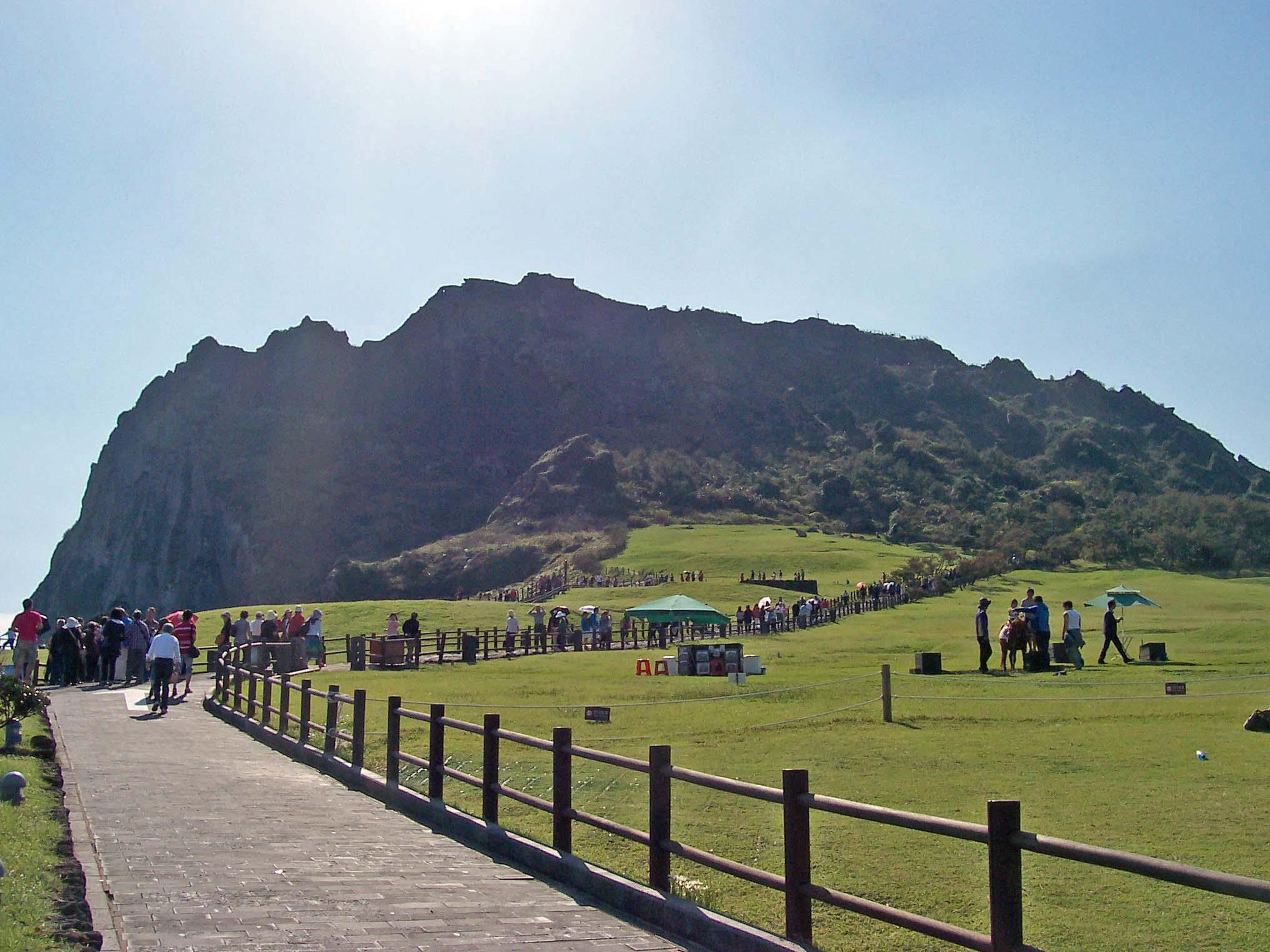
Seongsan Ilchulbong, often called Sunrise Peak, is a tuff cone that rose from the sea through volcanic activity in shallow seawater. It is one of the three parts of Jeju's UNESCO World Natural Heritage listing, alongside Hallasan and the Geomunoreum lava tube system. The climb is a stepped path to the rim of a broad, grassy crater, and the view takes in the coastline, the village of Seongsan below, and Udo offshore. It suits travelers who want one clear look at Jeju's volcanic origins without committing to a long hike.
The name comes from the sunrise, and seeing it from the rim is a popular early-morning plan. Whether it works depends on two things you should check the day before: the weather, since low cloud often hides the horizon, and the site's opening time for that date, which shifts by season. The site also closes on a regular monthly day, so confirm the current schedule on the official tourism site before you set an alarm.
Udo
Udo is a small island just off the east coast, reached by ferry from Seongsan Port. It deserves to be treated as its own half day or more rather than a quick add-on, because the island has its own beaches and coastal roads, and you will spend time getting to the port, buying tickets, and waiting for boats. Check the operator's current boarding requirements before traveling and bring your passport or accepted ID for ticketing and the passenger form. Rental cars are generally not allowed on Udo, with narrow exceptions, so most visitors leave the car at the port and get around the island by local bus or by renting a bicycle. If considering a motorized rental, check the vehicle-specific license and insurance requirements first.
Ferry operations change with the weather, and strong wind can delay or cancel sailings even on a sunny day. The ferry may also arrive at a different port on Udo depending on conditions. Before boarding for Udo, confirm the return port and last ferry for that day. Recheck locally if conditions change and return to the port well ahead of the final departure.
Haenyeo culture
Haenyeo are Jeju's women divers, who harvest shellfish, sea urchins, and seaweed by free-diving without breathing equipment. Their culture was added to UNESCO's list of Intangible Cultural Heritage of Humanity in 2016. The most reliable way to understand it is the Jeju Haenyeo Museum in Gujwa-eup, on the northeast coast in an area where many divers still work. The museum covers their tools, clothing, working life, and community organization, and it is a worthwhile stop on an east-side day.
You may also see divers in the water or come across a demonstration near Seongsan, but neither is guaranteed. Diving depends on tides, weather, season, and the divers' own schedules, so treat any sighting as a bonus rather than something to plan around.
Hallasan: the summit and the shorter trails
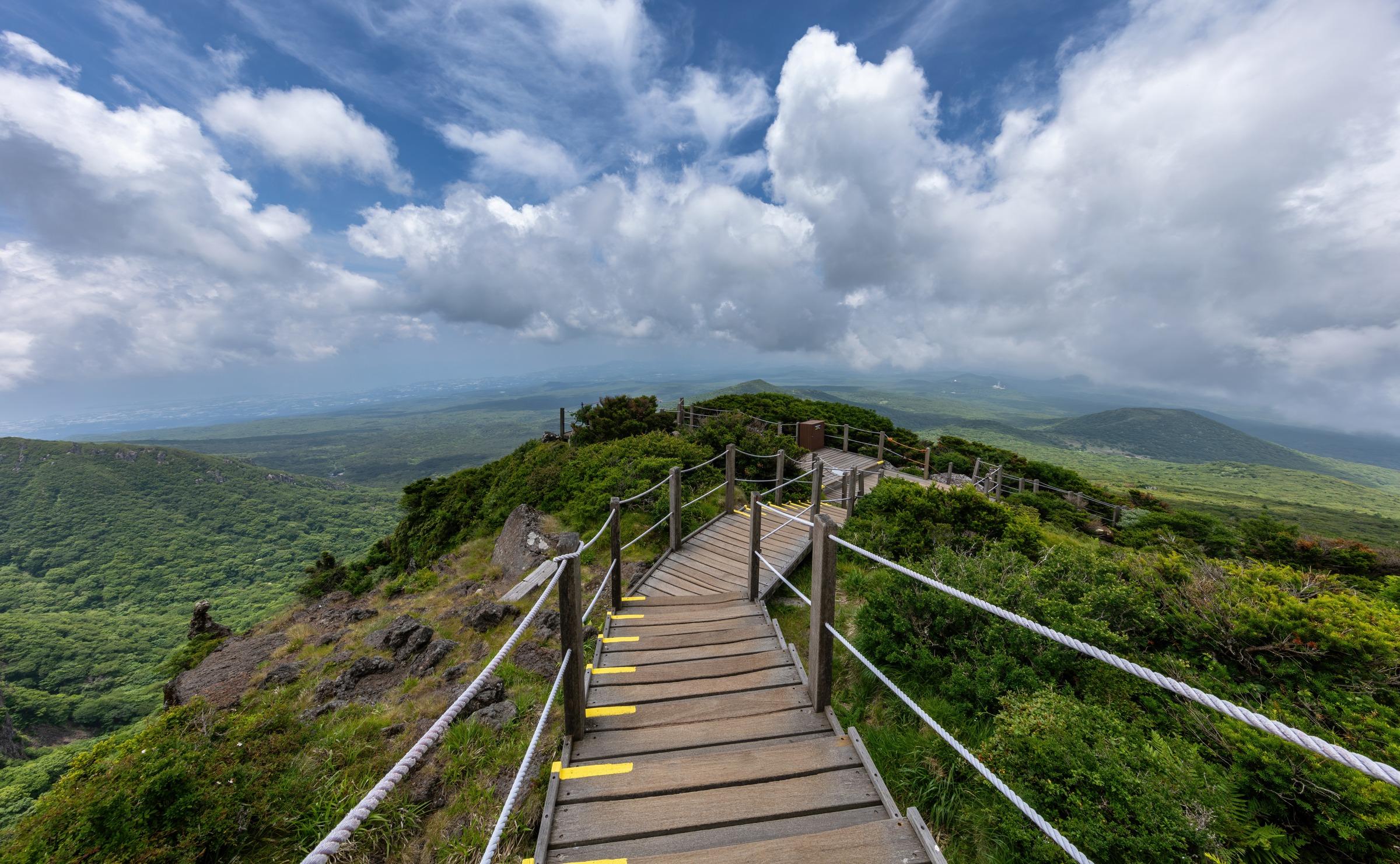
Hallasan is the highest mountain in South Korea at about 1,950 meters, and it shapes every view on the island. The most important thing to know is that not every trail leads to the summit. Only two, Seongpanak and Gwaneumsa, reach the crater lake at the top, called Baengnokdam. Reservations through the Hallasan National Park system are required for the summit-bound upper sections, from Jindallaebat on Seongpanak and Samgakbong on Gwaneumsa. Summit access is capped, and either route makes for a long, full-day hike. Seongpanak is the longer and more gradual of the two at 9.6 km one way, while Gwaneumsa, at 8.7 km, is steeper.
A summit hike is a real mountain day, not a casual walk. Trails have entry cutoff times, conditions change quickly at altitude, and sections can close for weather or repairs. Check the reservation status, the current trail notices, and the forecast before you commit.
If you want Hallasan without the summit, the Eorimok and Yeongsil trails climb onto the mountain's upper slopes and offer wide views, but they stop short of the peak. For something much shorter, the Eoseungsaengak trail is about 1.3 km from the Eorimok visitor center to a small summit with views back toward the mountain. These trails do not currently require summit reservations, but weather closures and entry cutoffs still apply. Eoseungsaengak is the shorter option; a full Eorimok or Yeongsil hike takes substantially more time and effort. Wear suitable hiking footwear and bring water and layers.\
Walking the Jeju Olle Trail, one section at a time
The Jeju Olle Trail is a network of 27 walking routes, 21 main courses and six sub-routes, that together cover about 437 km and loop around much of the island. The name comes from a Jeju word for the narrow path between a house and the street. Nobody needs to walk the whole thing to enjoy it. Most visitors pick one course, or even part of one, near where they are staying, and spend a morning or afternoon walking past stone walls and small fishing harbors along the basalt coastline.
Courses vary in length and difficulty, and you may need longer than the official time estimates, especially with stops for photos and food. Look at the official Jeju Olle site for course maps, check how you will get back from the endpoint, and choose a section that matches your fitness and the weather. Coastal sections can be exposed in strong wind, which is a good reason to keep an inland or shorter option in mind.
Beaches: looking, walking, and swimming
Jeju's beaches look different from each other because of the volcanic geology, with pale sand sitting against dark rock. Two of the best known are Hamdeok Beach, east of Jeju City in Jocheon-eup, and Hyeopjae Beach on the west coast near Hallim. Pick by location rather than trying to visit both in one day. Hamdeok fits naturally with an east-side or Jeju City day, while Hyeopjae fits a west-side day.
It helps to separate enjoying a beach from swimming at one. Designated swimming beaches have seasonal operating periods and supervised swimming hours. Check the current notice for the specific beach and your travel dates. Outside supervised swimming hours, or when the wind is up and the water is rough, the beaches are better for walking along the shore, sitting at a nearby cafe, and watching the color of the water change. If you plan to swim, go during the official season and follow the posted flags and lifeguard instructions.
Eating your way through Jeju
Dongmun Market in Jeju City is a long-established permanent traditional market and a convenient place to get a broad sense of local food in one visit. During the day the aisles are full of seafood, dried goods, and Jeju citrus such as hallabong, a large, sweet mandarin. In the evening, a night market section at the back fills with food stalls cooking to order. A good approach is to walk the whole market once before buying anything, then share small portions so you can try more.
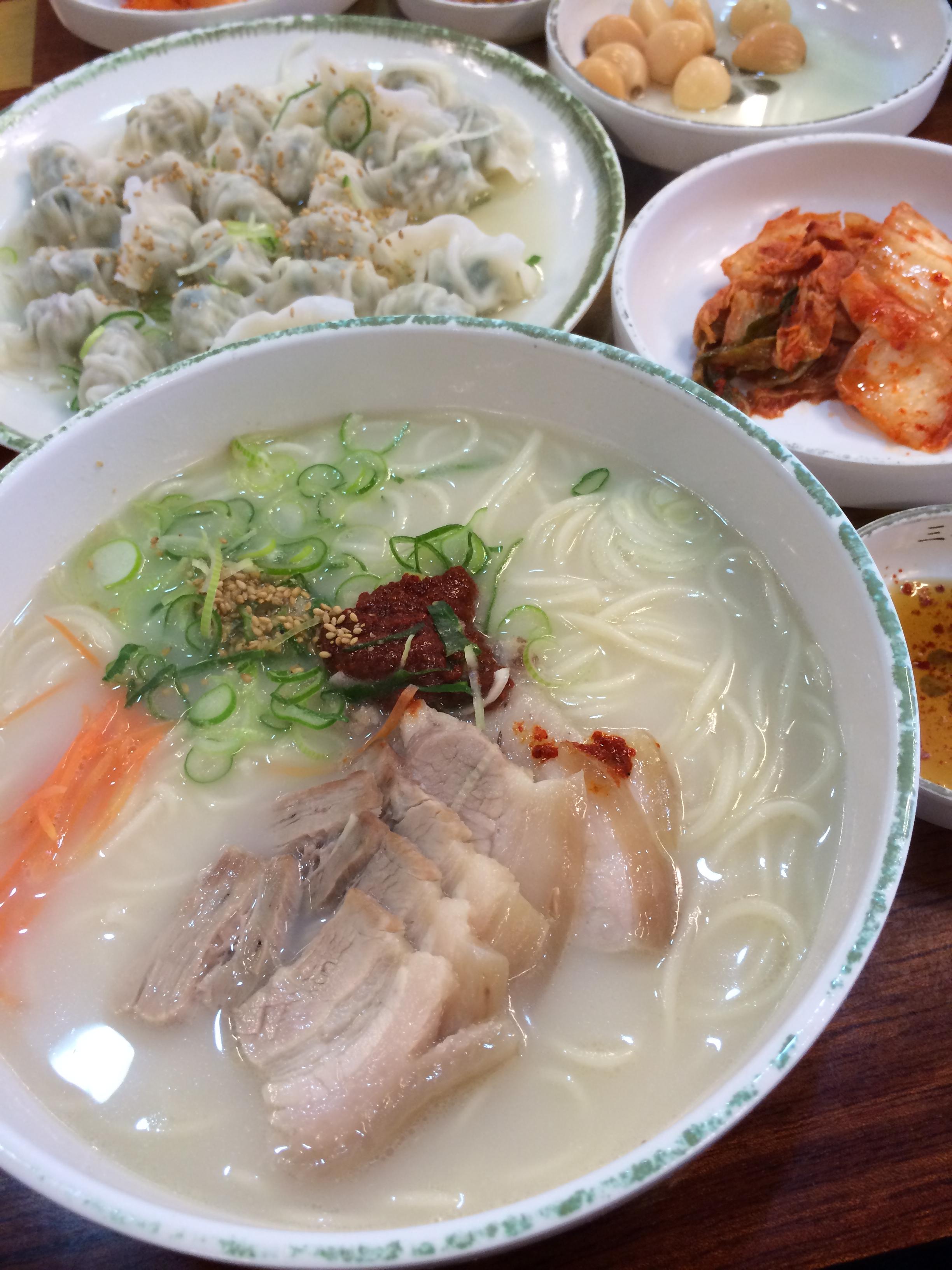
Several dishes are closely tied to the island. Heuk-dwaeji, Jeju black pork, is usually grilled and is the meal many visitors plan around. Galchi, or hairtail fish, is often served grilled or braised in a spicy sauce. Jeonbok, abalone, appears in rice porridge, stews, and grilled dishes. Gogi-guksu is a noodle soup topped with sliced pork in a rich broth, and it makes an easy lunch between sights. You will find these dishes across the island, not only in the market, so it is reasonable to eat them wherever your day takes you.
When it rains or the wind picks up
Jeju's weather can change your plans, and the island is known for its wind. A sensible approach is to have one indoor option near each part of the island so a rainy morning does not mean a long drive. In Jeju City, the Jeju National Museum covers the island's history and culture from prehistory onward. On the east side, the Jeju Haenyeo Museum works well on a wet day. In the southwest, the Bonte Museum in Andeok-myeon combines art and architecture. Check museum opening days before going. Covered market sections or a cafe near your hotel can also work, but outdoor approaches and some market areas remain exposed to rain and wind.
Each season brings different activities. Spring is known for flowering fields and cherry blossoms; summer is beach season but hot and humid, with an early-summer rainy period; autumn tends to be clear and comfortable for hiking; and winter brings strong wind and, at higher elevations on Hallasan, snow. Late summer into early autumn can also bring typhoons. Whatever the season, check the local forecast and any operating notices on the morning of an outdoor day, especially for ferries and mountain trails.
Getting around, with or without a car
Whether you rent a car changes how you experience Jeju. With a car, you can link sights on the same side of the island at your own pace and reach coastal and rural spots that are awkward by bus. Requirements for driving in Korea depend on where your license was issued, so check what you need, including whether an International Driving Permit applies to you, with the rental company and official Korean sources before you travel.
Without a car, Jeju is still workable, but it takes more planning. Buses connect the airport, Jeju City, Seogwipo, and many tourist areas, yet journeys between sights can be long and services to some places run less often. Taxis, which you can call through the Kakao T app, are useful for short hops and for getting back from trail endpoints. Small-group or private day tours are another option, especially for the east side or a day that combines places far apart. Use Naver Map or KakaoMap to check local routes, bus arrivals, and walking connections, and confirm the return journey before leaving. The key adjustment is to plan fewer stops per day and stay near the area you want to explore.
A sample 3-day itinerary for first-time visitors
This plan assumes you are staying in or near Jeju City and have a car or are comfortable combining buses, taxis, and tours. Adjust it to where you are staying and how you are getting around.
Day 1: Jeju City and the northeast coast. Arrive, settle in, and spend the afternoon at Hamdeok Beach or walking a nearby stretch of the Olle Trail. If it rains, swap in the Jeju National Museum. In the evening, head to Dongmun Market and its night market for dinner.
Day 2: The east side. Start at Seongsan Ilchulbong, at sunrise if the weather and opening hours allow or later in the morning if not. Take the ferry from Seongsan Port to Udo and spend the middle of the day there, keeping an eye on the last return ferry. Keep the rest of the day flexible. If you skip Udo or ferries are canceled, visit the Jeju Haenyeo Museum instead, subject to its opening schedule. Do not add west-side sights to this day.
Day 3: Choose Hallasan, the west, or the south. If you have a summit reservation, give the entire day to Seongpanak or Gwaneumsa and plan nothing else beyond dinner. For a lighter mountain day, choose Eoseungsaengak and leave the afternoon flexible. For a west-side day, focus on Hyeopjae Beach and a nearby coastal walk. Alternatively, spend a south-side day around Seogwipo, with a local Olle section; Bonte Museum is an option if your route also includes Andeok. Do not combine all three options.
Three days gives you a first look at selected parts of Jeju, depending on the options you choose. It is not enough to see everything, and Jeju tends to reward the visitor who leaves a little room in each day for the weather to have its say.