Gochujang is a thick Korean fermented chili paste with savory, salty, mildly sweet, and spicy notes. Learn how it compares with sriracha, miso, and hot sauce, plus what to check before buying.
Gochujang is not simply a Korean hot sauce. It is a thick fermented chili paste that usually combines savory, salty, mildly sweet, and spicy flavors. Its heat level and balance vary by product, which is why the label and a small first taste tell you more than the color of the tub
What does gochujang taste like?
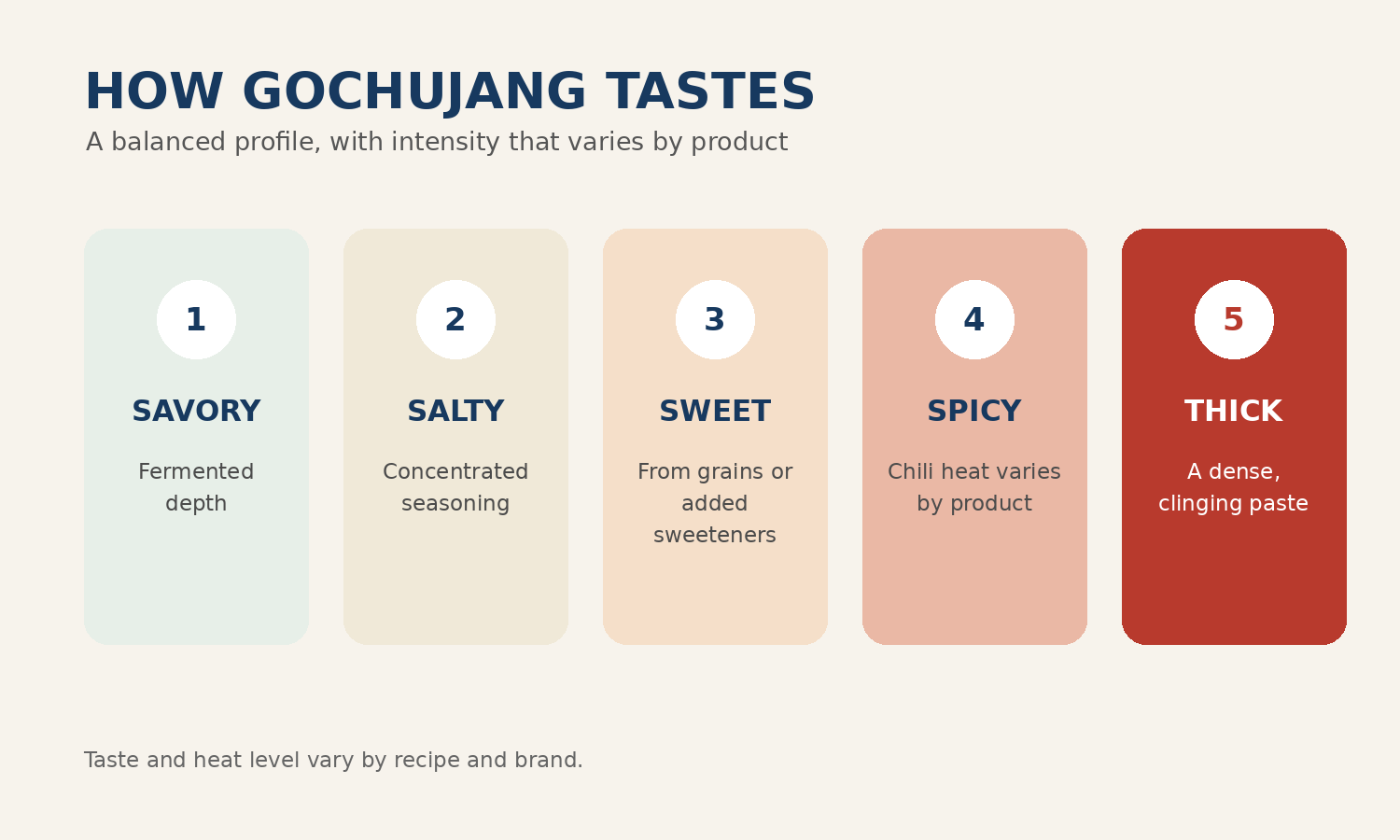
Gochujang usually tastes savory, salty, mildly sweet, and spicy at the same time. Its fermented character gives it more depth than a simple chili sauce, while its dense texture makes a small amount feel concentrated. The balance varies by recipe and brand, so one tub may taste sweeter, saltier, or hotter than another.
The aroma can be earthy and fermented, with chili and grain notes. On the tongue, sweetness and salt may be noticeable alongside savory depth before the heat builds. That sequence is not universal, however. A product with more chili or less sweetener may taste hot sooner, while a mild version may emphasize sweetness and umami.
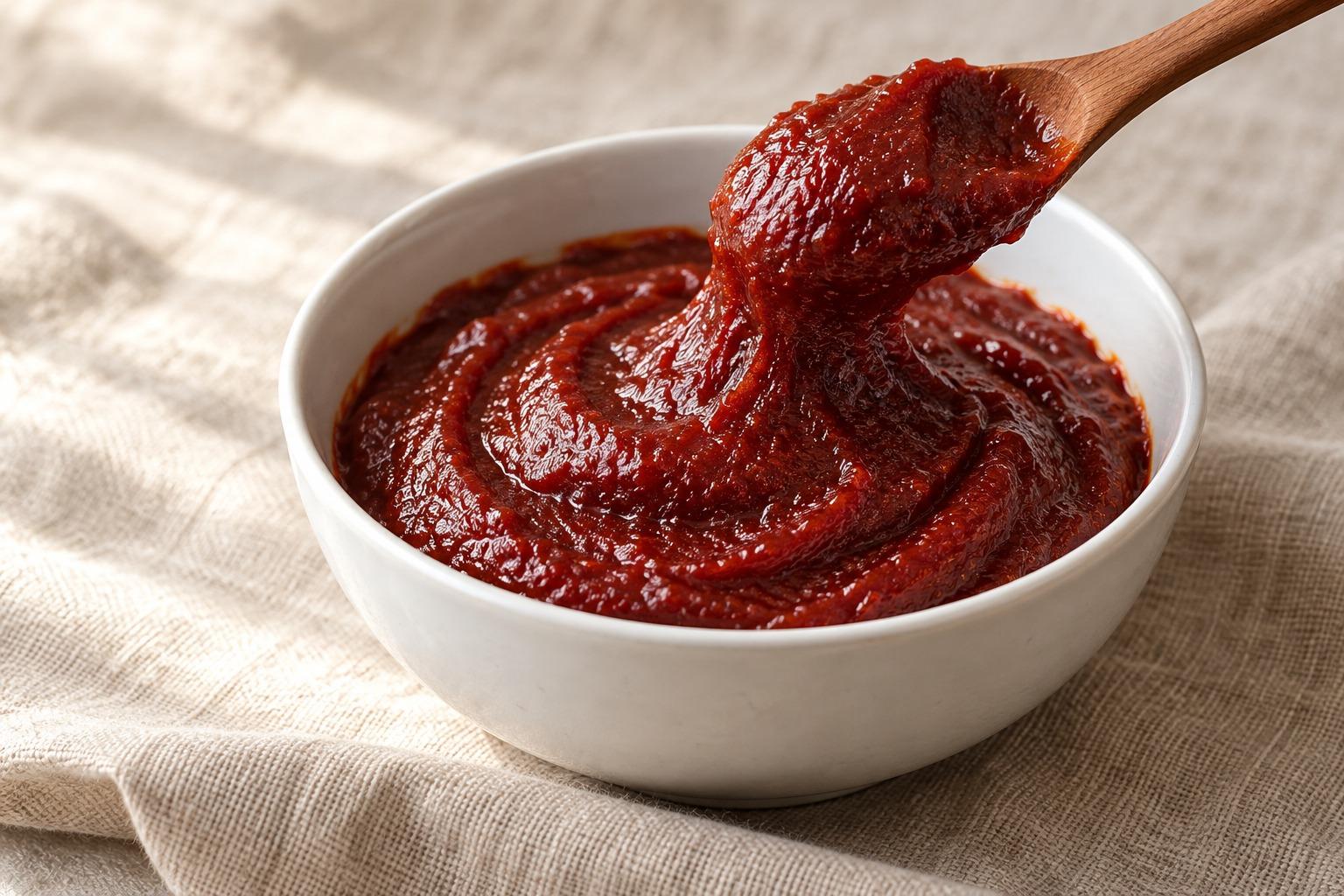
Texture is part of the experience. Gochujang is a thick, sticky paste rather than a pourable table sauce. Straight from the container, it coats food and tastes intense. Mixed into rice, broth, a marinade, or a dipping sauce, the same paste spreads more evenly and becomes easier to balance.
Where the flavor comes from
The current Codex standard describes gochujang as a red or dark-red fermented paste made by saccharifying grain starch, adding salt, fermenting and aging the mixture, and adding red pepper powder. Soybean material and sweeteners may also be used. These components explain the paste’s layered flavor.
Red pepper powder provides color and heat. Fermented grain and soybean ingredients contribute savory depth and aroma. Salt seasons the paste and supports preservation. Grain-derived sugars and permitted added sweeteners can contribute sweetness. The exact recipe varies, so the ingredient list is more reliable than assumptions about how every gochujang should taste.
How it compares with sriracha, miso, and hot sauce
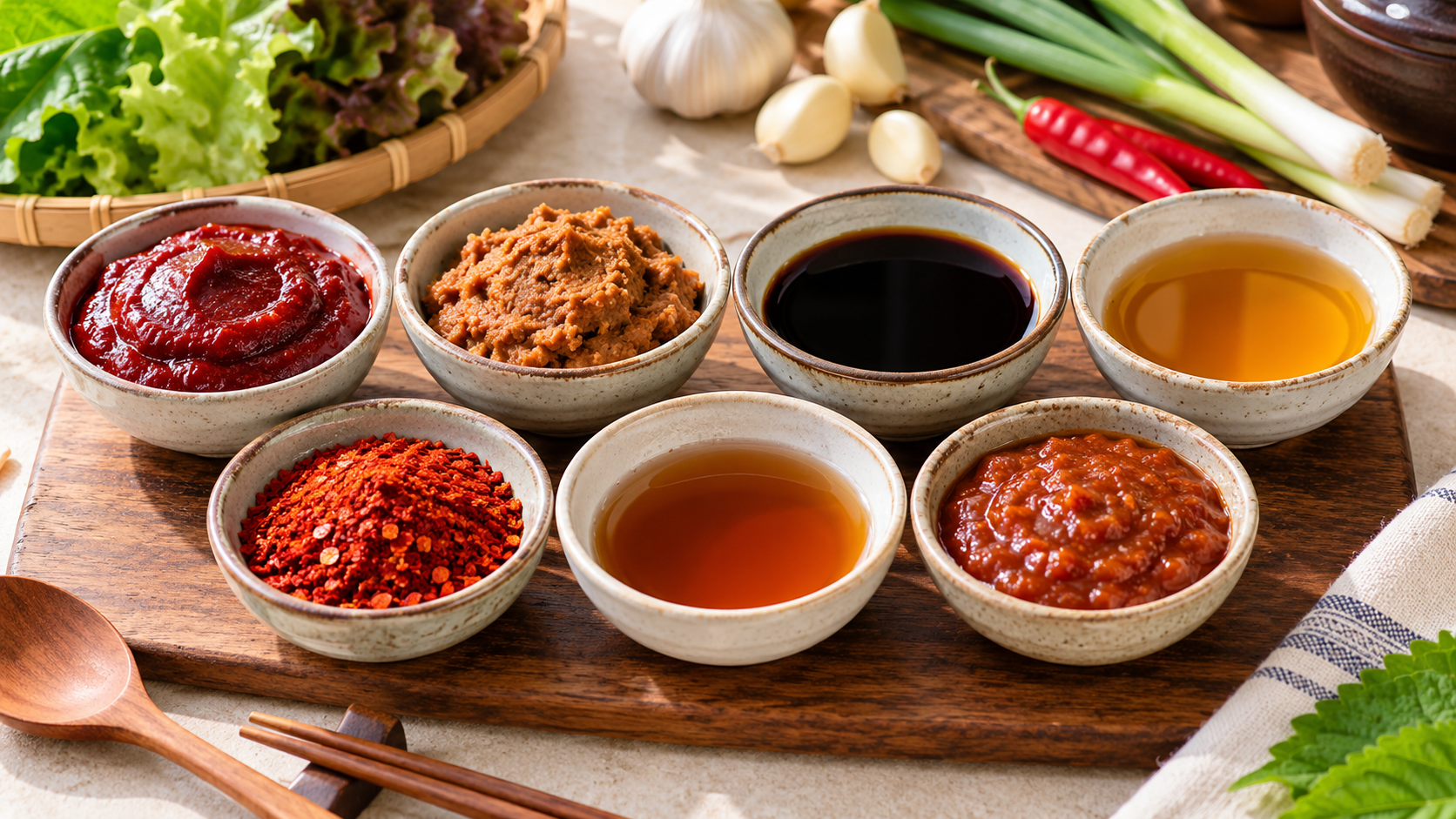
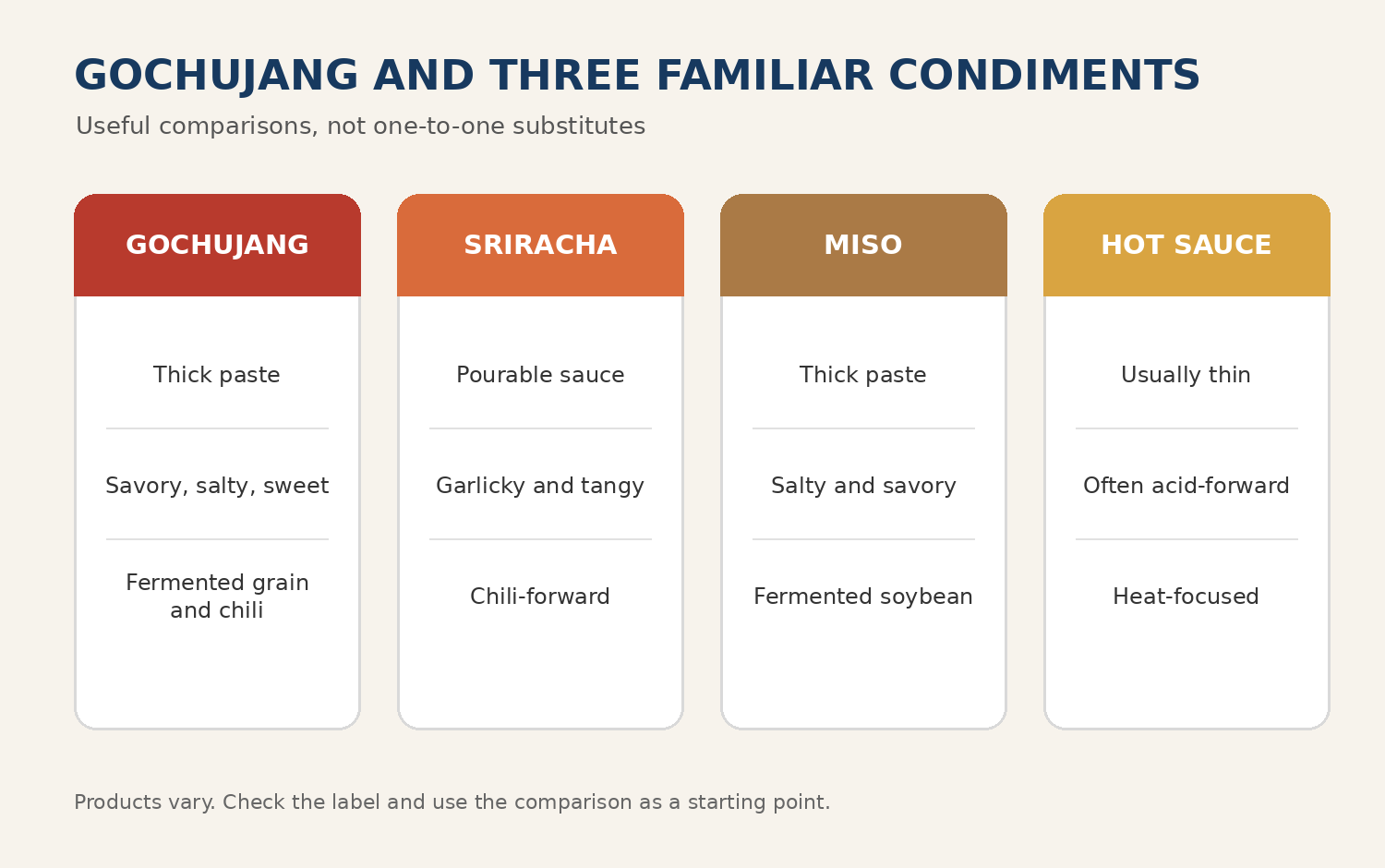
Sriracha is generally thinner, more garlicky, and more vinegar-forward. Gochujang is usually thicker and more savory, with fermented grain and soybean notes. Miso is the closer comparison for salty fermented depth, but it does not provide gochujang’s chili heat or red-pepper flavor.
Many American-style hot sauces are thin and acid-forward, while gochujang behaves more like a concentrated seasoning paste. These comparisons can help a first-time buyer predict the flavor, but none is an exact substitute. Replacing gochujang one-for-one with sriracha, miso, or hot sauce will change both the taste and texture of a dish.
Straight from the tub and mixed into food
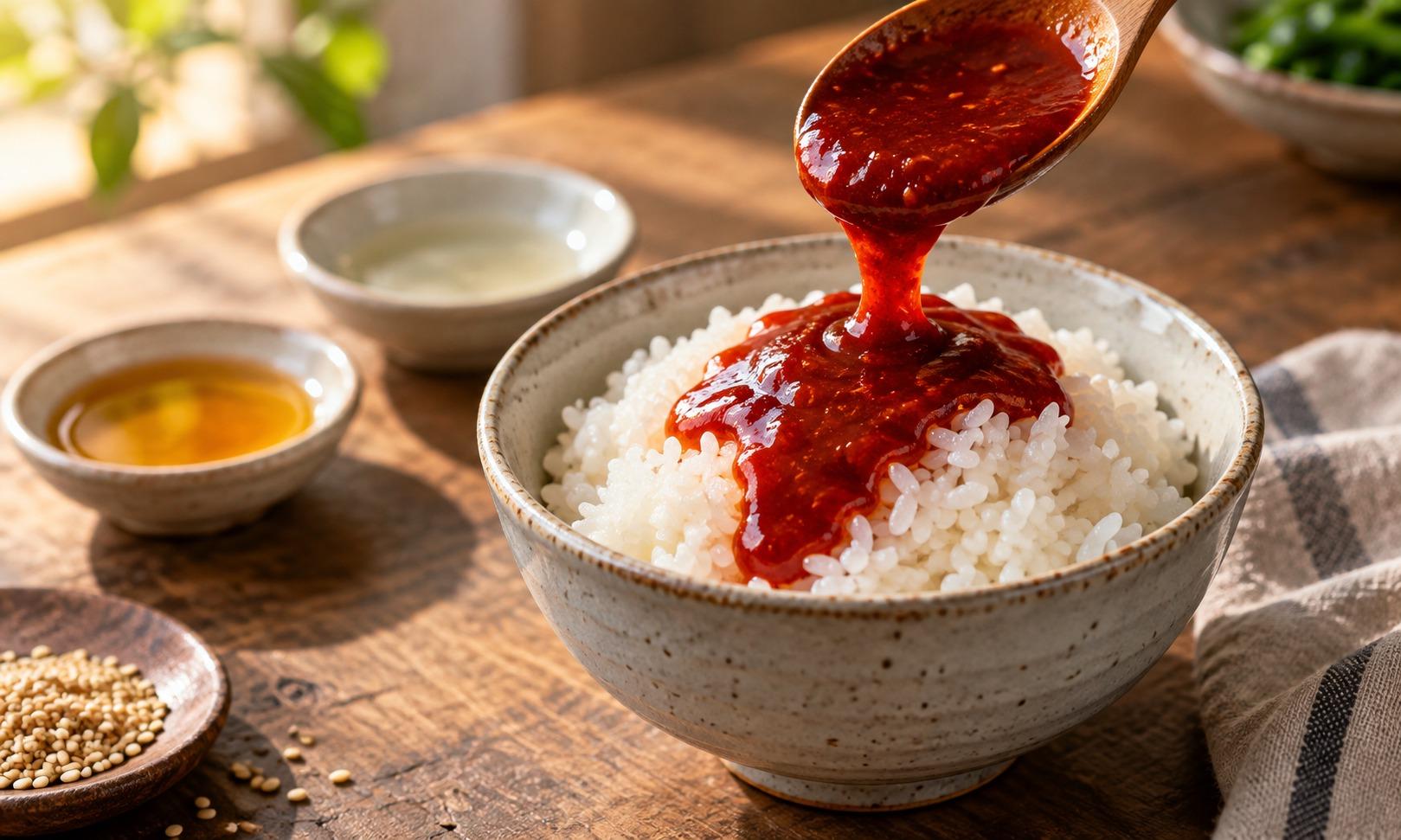
Gochujang can be tasted directly in a small amount, but its salt, heat, and thickness may feel overwhelming on their own. For a first taste, try a pea-sized amount with plain rice. This makes it easier to notice the savory, sweet, and spicy balance without letting the paste dominate the bite.
Cooking or mixing gochujang does not create one predictable new flavor. Instead, the other ingredients in the dish change the balance. Broth dilutes the paste, vinegar adds brightness, and sesame oil changes its aroma and texture. Water, vinegar, sesame oil, or another recipe-specific liquid can also turn the paste into a looser sauce.
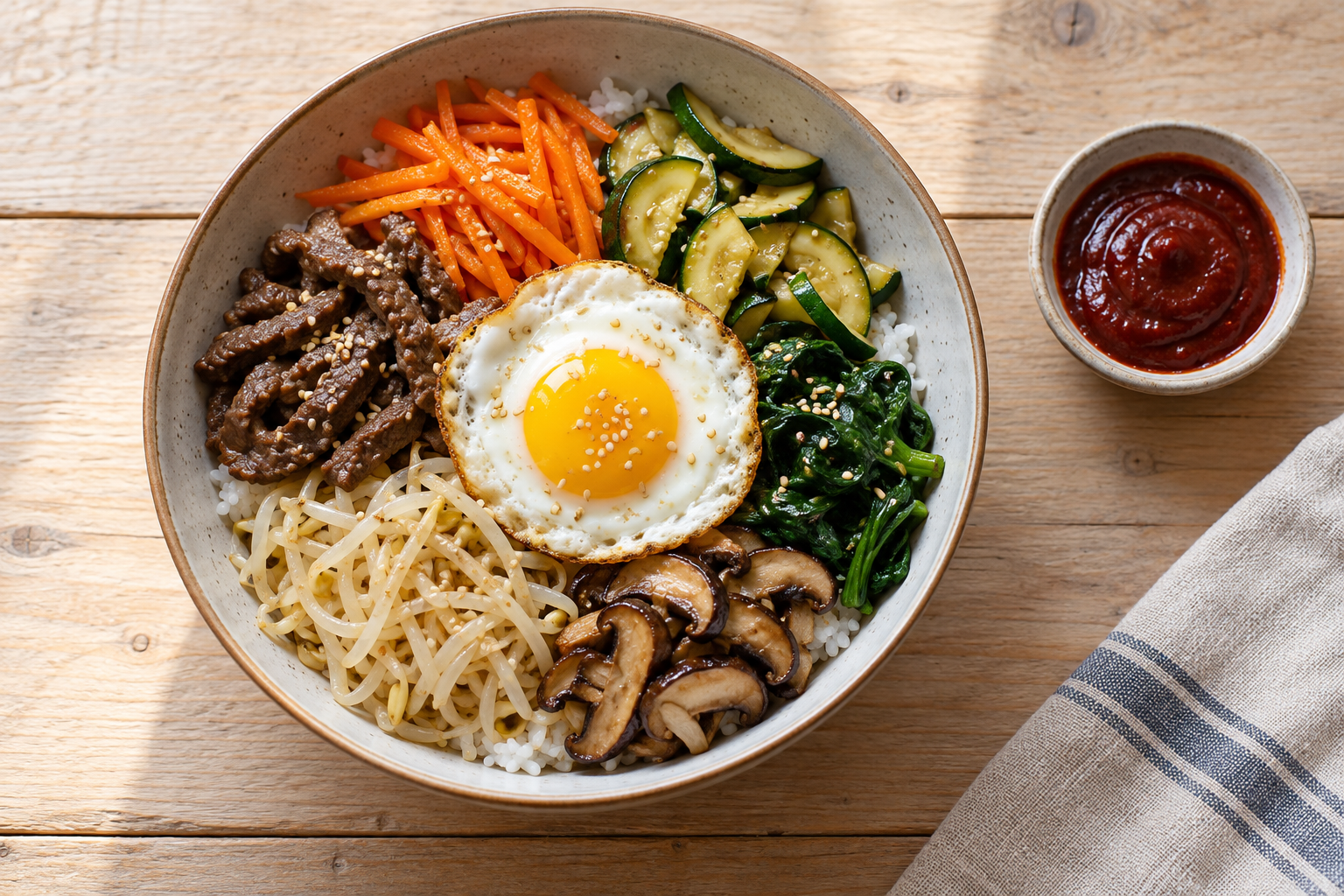
Common uses include bibimbap, tteokbokki, marinades, stews, and dipping sauces. The amount and supporting ingredients matter more than simply adding a large spoonful.
What to check on the label
First, check the heat description. Brands do not always present heat levels in the same way, so terms or numbers are most useful when comparing products from the same maker. If you are sensitive to chili heat, choose a product described as mild and begin with a small amount.
Second, read the ingredients and allergen statement. Some commercial gochujang contains wheat or soy, both of which are major allergens under US labeling rules. Do not assume that gochujang is gluten-free. If gluten is a concern, look for a product specifically labeled gluten-free and verify the ingredient list.
Sweeteners also vary. If sugar, corn syrup, or another sweetener appears prominently, the product may taste sweeter, but an ingredient list alone cannot predict the complete flavor. It is best used as a purchasing clue rather than a guarantee.
Frequently asked questions
Is gochujang very spicy?
It can be mild, medium, or hot depending on the product. Gochujang combines chili heat with saltiness, sweetness, and savory flavor, but those other notes do not make every product mild. Check the package and start small.
Can I eat gochujang without cooking it?
Gochujang can be used without cooking, including in mixed sauces and bibimbap. Because it is concentrated, most people combine it with other ingredients rather than eating a large spoonful on its own.
What is the closest substitute?
There is no exact one-to-one substitute. Miso can supply fermented savory depth, while a chili paste can add heat, but a mixture will still have a different flavor and texture.
Is gochujang gluten-free?
Not always. Some products contain wheat or other gluten-containing grains, while others are specifically labeled gluten-free. Check the package every time.
The simplest answer is that gochujang tastes fermented, savory, salty, mildly sweet, and spicy, with a thick texture that makes every spoonful feel concentrated. Start small, compare labels within a brand, and treat it as a seasoning paste rather than a pourable hot sauce.