Retinol still has its place, but Korean skincare ingredients like PDRN, centella and sea grape show how K-beauty now sells the ingredient first. Here is what each one is and how to find it on a label.
Retinol has long been the ingredient Americans are told to graduate to, and it still sits on Korean shelves. Look at what Korean shoppers have been searching for this fall, though, and the headline ingredient is often something else: a DNA fragment, a creeping herb, a seaweed that looks like a cluster of green beads.
That is the short answer to what comes after retinol in Korean skincare. It is not a single replacement but a change in how products get found. Korean skincare ingredients are increasingly the reason a product is noticed at all, and PDRN, centella and sea grape show how that works at different stages of a trend.
Why Ingredients Are Driving the Next Korean Skincare Trends
For a long stretch, K-beauty exported formats. The cushion compact and the sheet mask taught Americans the category through new ways of applying things, and the ingredient list came second.
That order has flipped. Search data that Olive Young, Korea's leading beauty retailer, shared in early October 2026 showed sea grape ampoules, green tangerine pads and mung bean masks all climbing quickly in September. Korean coverage read it as a shift: shoppers who once searched for functional ingredients such as hyaluronic acid, retinol or ceramide now often start with a familiar natural material and browse whatever contains it.
Korean has a word for this: wonmul (원물), the raw material itself, the plant, grain or fruit before it becomes an extract. When a shopper searches by wonmul, the ingredient is doing the job the format used to do. An ingredient name, unlike a format, reads the same on a label in Los Angeles as in Seoul.
3 Korean Skincare Ingredients to Know
These three sit at different points on the curve. None of them is a like-for-like swap for retinol, so if you arrived here looking for retinol alternatives, read them as different ingredients with different roles and uneven research behind them.
PDRN
PDRN stands for polydeoxyribonucleotide, a mix of purified DNA fragments usually taken from the sperm of salmon trout or chum salmon. It was first studied in medicine for wound healing, and in Korea it became famous through injectable treatments in aesthetic clinics, which is where the "salmon DNA facial" nickname comes from.
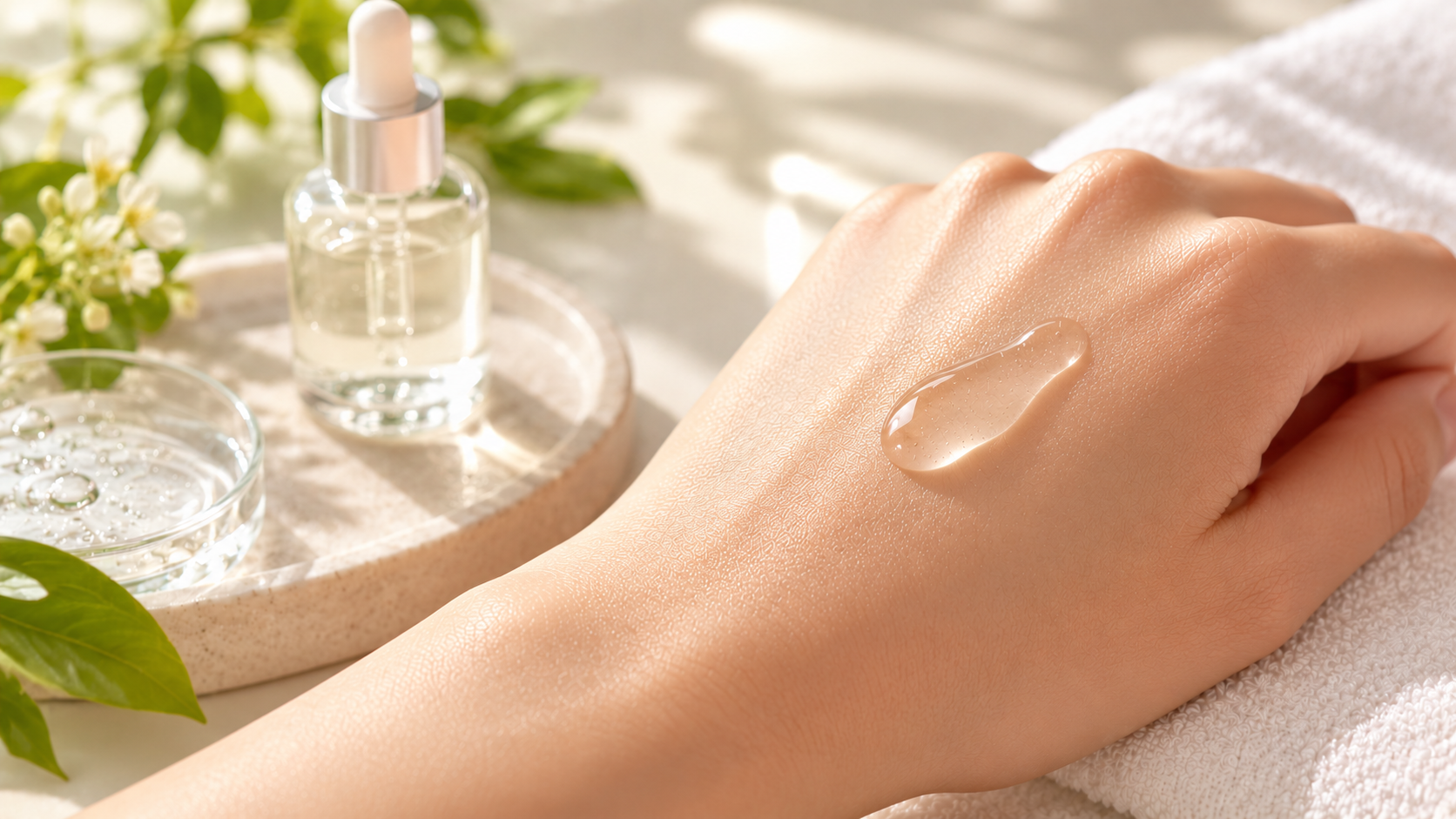
PDRN skincare is the needle-free spin-off: serums, toners and masks. On an ingredient list it usually appears as Sodium DNA, and some brands now make plant-derived versions for people who avoid fish sources. Most published PDRN research involves injections, and DNA fragments are large molecules, so what a topical product can do remains a more open question than the packaging suggests.
Centella and Cica
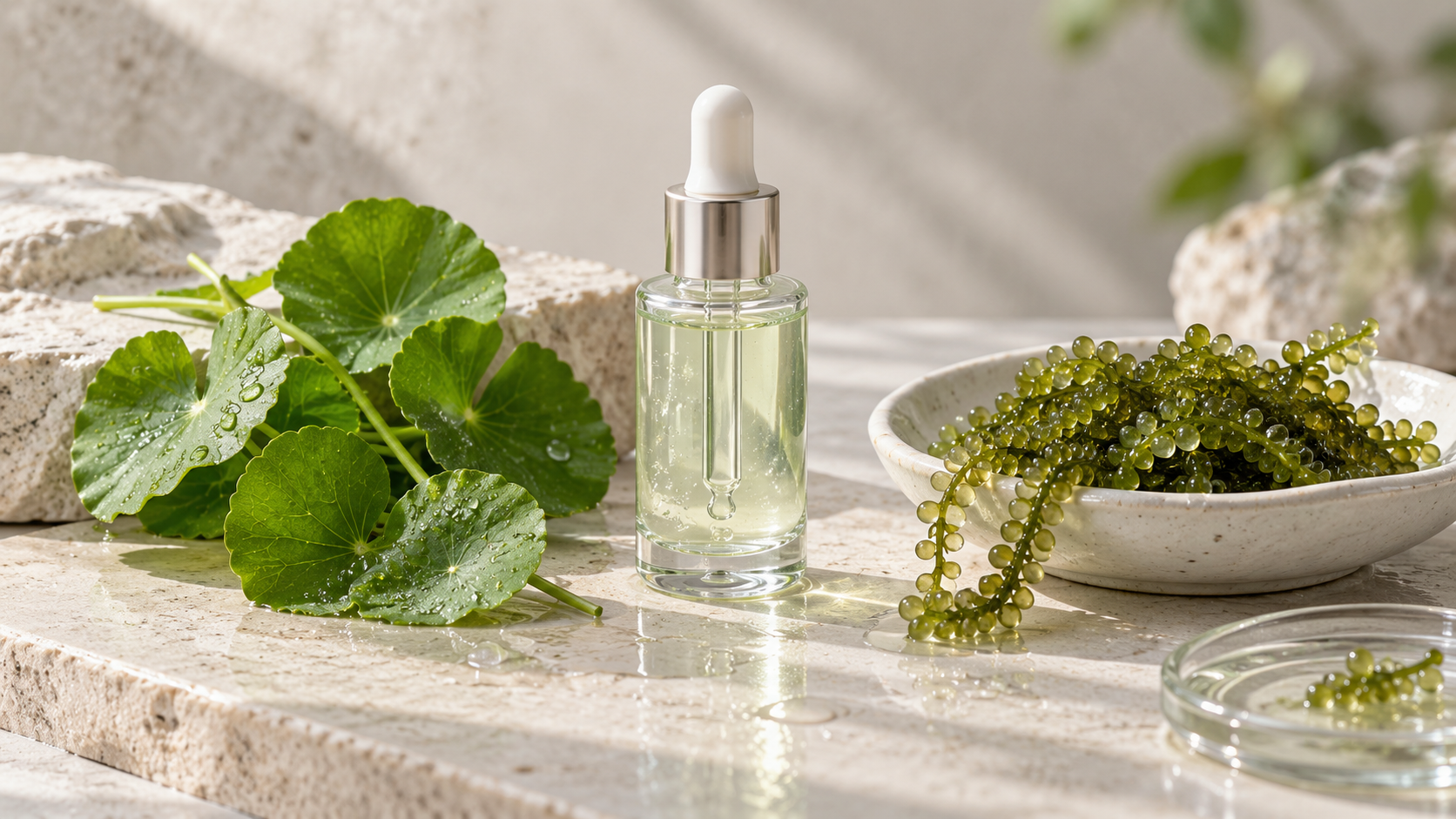
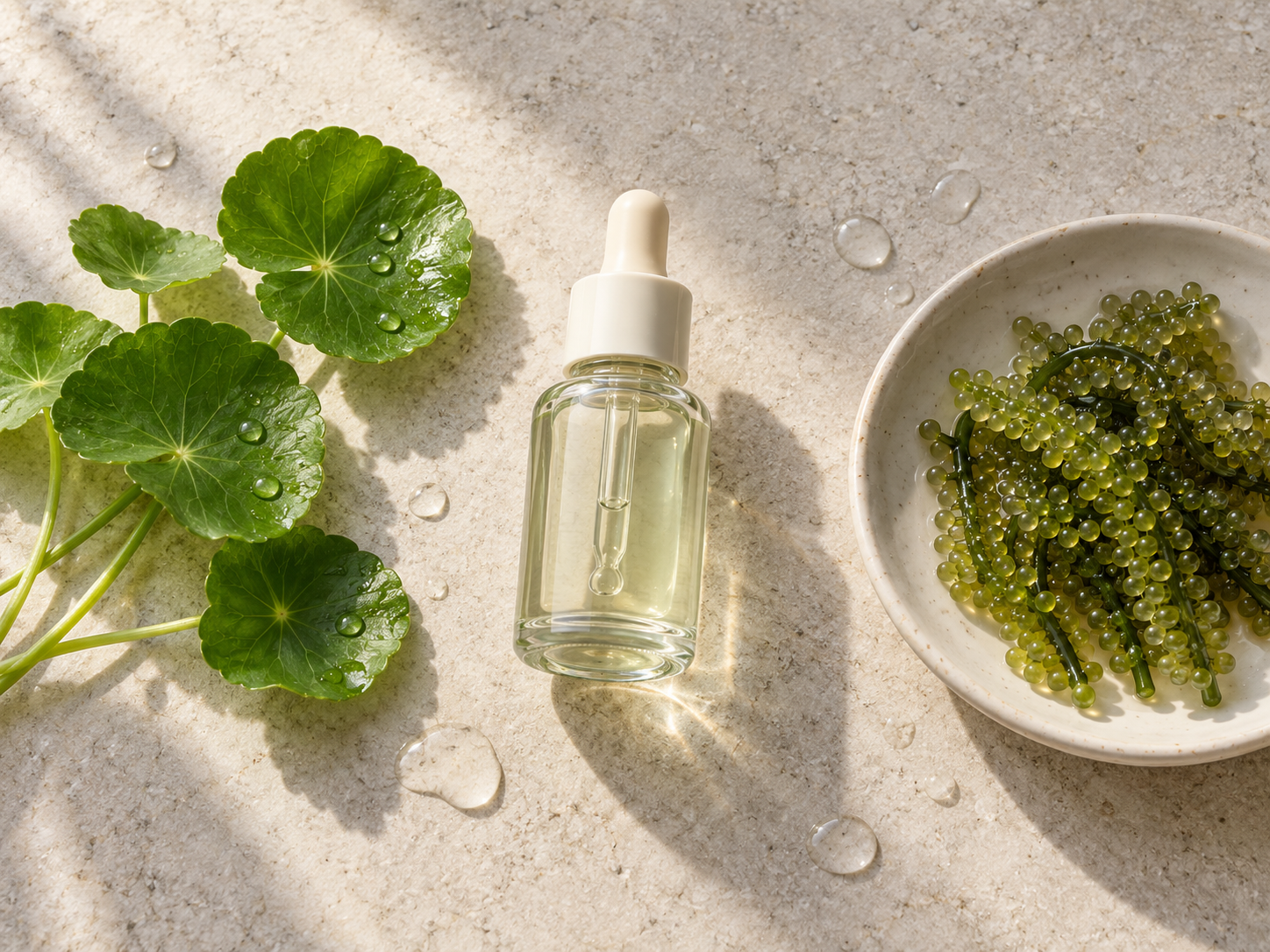
If PDRN is the newcomer, centella is the veteran. Centella asiatica, called byeongpul (병풀) in Korean and gotu kola in much of the English-speaking world, is a creeping herb with a long history in traditional medicine across Asia. "Cica" is the shorthand K-beauty adopted for it.
Centella shows how specific ingredient-led labels have become. Many Korean skincare products list the plant's four main compounds separately: madecassoside, asiaticoside, madecassic acid and asiatic acid. These products are usually positioned as calming and barrier-friendly, which is why they turn up so often in toners and pads.
Sea Grape
Sea grape is the one to watch rather than the one to crown. It is Caulerpa lentillifera, a green seaweed with tiny bead-like fronds, eaten fresh in Okinawa, where it is called umibudo, and in parts of Korea and Southeast Asia.
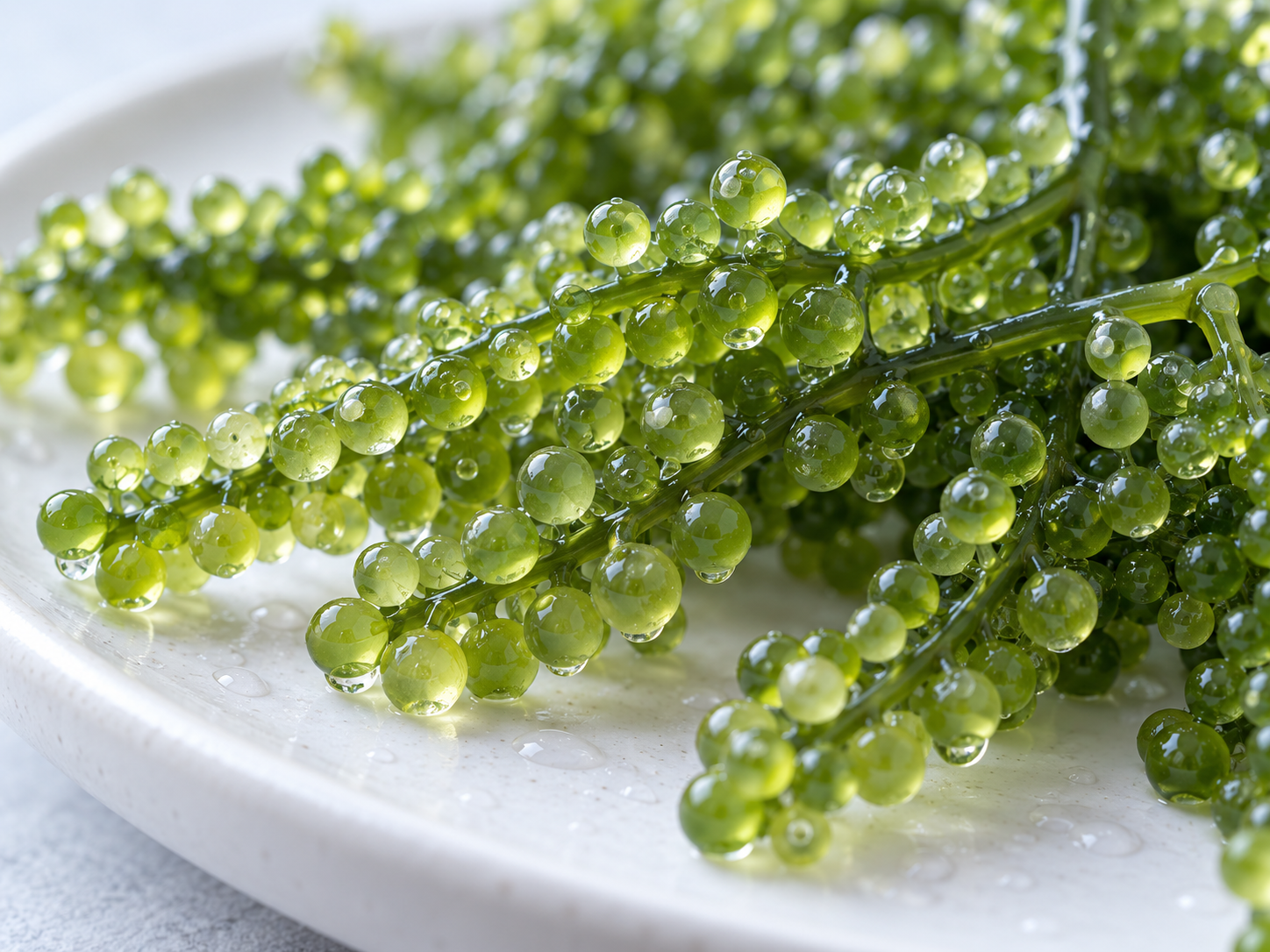
In Korea it now appears as the named hero of ampoules and serums, and Olive Young's September search figures suggest shoppers are paying attention. On a label, look for Caulerpa Lentillifera Extract. There is far less published skin research on sea grape than on centella or PDRN, so it is best read as an emerging ingredient and a sign of where brands are looking.
Why K-Beauty Keeps Turning Ingredients Into Trends
Part of the answer is competition. Korean skincare products crowd into the same categories, and a distinctive ingredient gives a brand a story that a texture or a bottle cannot.
The other part is how people now discover products, especially outside Korea: ingredient first, then product, then purchase. At its Gwangjang Market store in Seoul, which opened in April 2026, Olive Young set up a raw-ingredient zone where visitors can see the actual sources, including green tangerine, birch, carrot and mugwort, next to the products made with them. For an American shopper, the lesson is practical: the ingredient is no longer fine print but the most reliable way to compare one Korean brand with another.
How to Shop Korean Skincare by Ingredient
Pick the ingredient, then confirm it on the full ingredient list, since product names can be generous. Here is how each one appears in the INCI list, the standardized ingredient names printed on the package:
PDRN: usually Sodium DNA. If you avoid fish-derived ingredients, check whether the brand states a plant source. Centella and cica: Centella Asiatica Extract, often with madecassoside, asiaticoside, madecassic acid or asiatic acid. Sea grape: Caulerpa Lentillifera Extract. Retinol: simply Retinol, which shows when a cica or PDRN product also contains it.
At K Gallery, the SKIN1004 Retinol 0.2 Boosting Shot Ampoule comes from a brand best known for centella, a reminder that these ingredient stories sit side by side rather than in competition. For centella itself, the label does most of the work: a product that lists madecassoside or asiaticoside next to Centella Asiatica Extract is telling you exactly which parts of the plant it relies on. Sea grape has reached hair care too, in the OLGO Marine Shampoo Bar. Our guide to what toner pads do explains where pads fit, and the full range of Korean skincare products is in the K Gallery shop.
So what comes after retinol? It is probably not one ingredient. Retinol will keep its place; the more interesting change is in the order of discovery. Where a Korean product once won attention by being a new kind of object, it now often wins by naming something: a salmon-derived DNA fragment, an old medicinal herb, a seaweed most Americans have never eaten. PDRN and centella have already made the trip from Korean labels to American bathroom shelves. Sea grape is only starting it, and whether it finishes is a question the next few seasons will answer.