
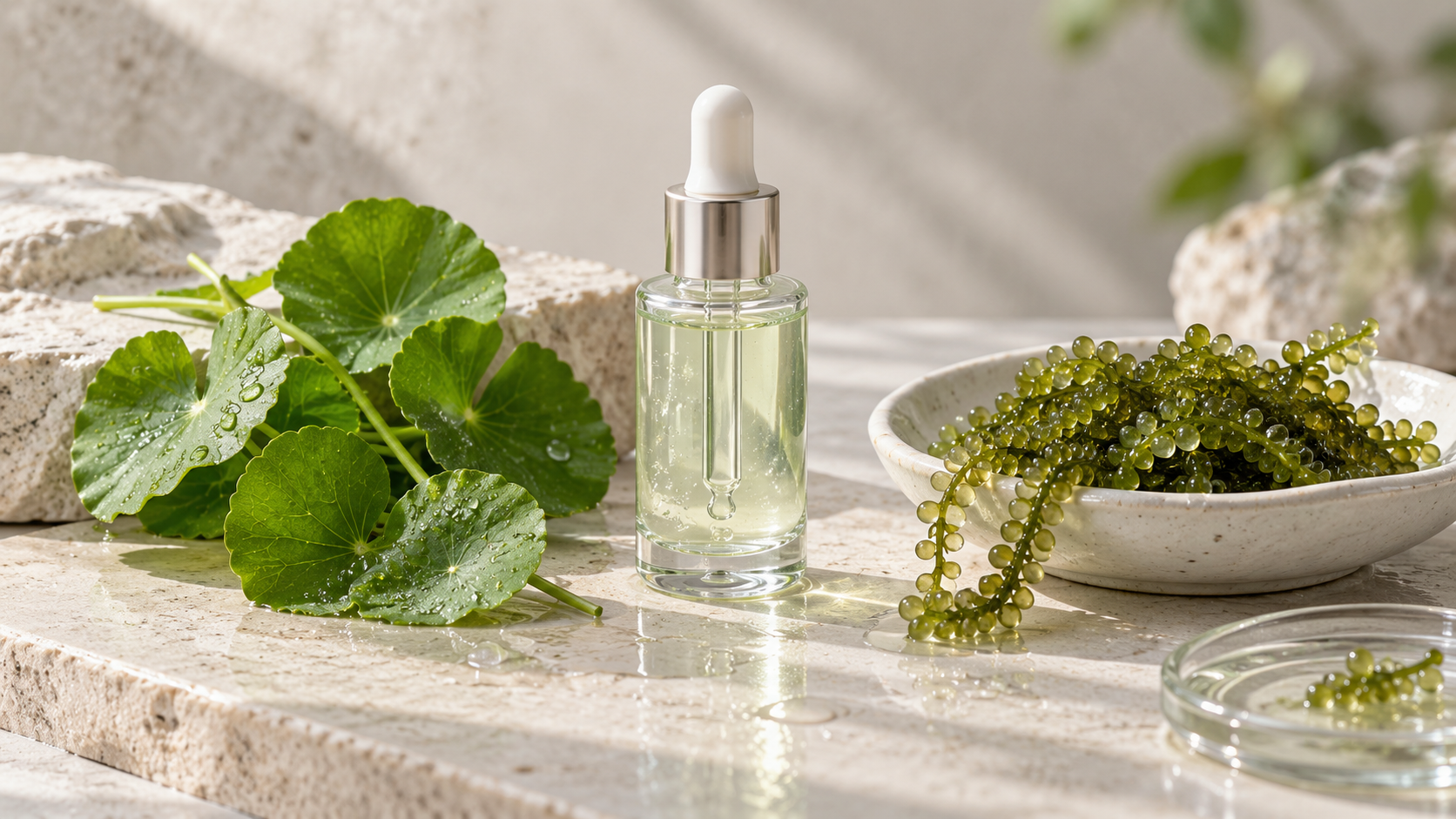
What's Next After Retinol? Korean Skincare Ingredients to Know
Retinol still has its place, but Korean skincare ingredients like PDRN, centella and sea grape show how K-beauty now sells the ingredient first. Here is what each one is and how to find it on a label.
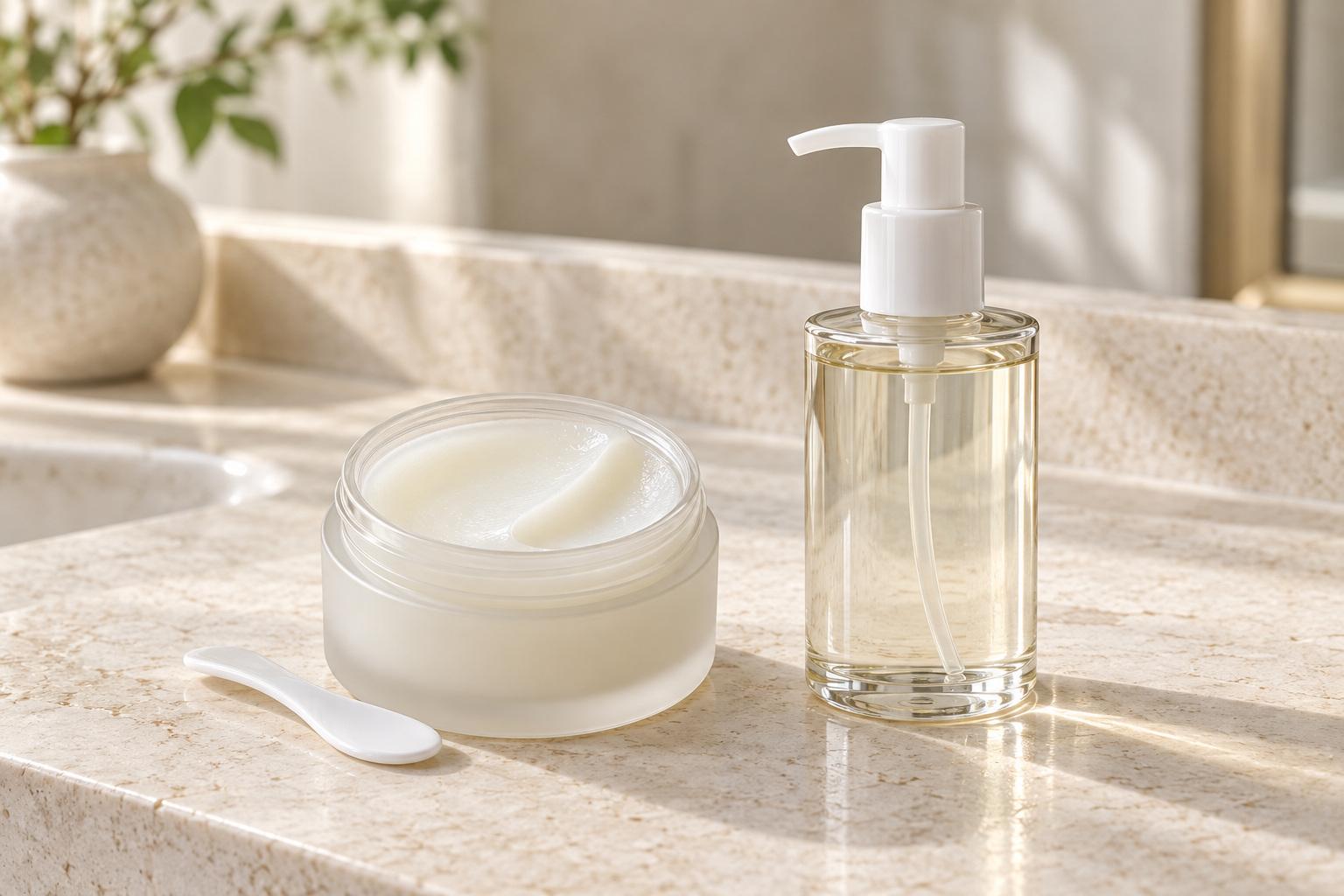
Cleansing Balm vs Cleansing Oil: Similar Role, Different Feel
Cleansing balms and cleansing oils play a similar first-cleanse role, but their textures and handling differ. Learn how each format melts makeup and sunscreen, how emulsification works, and where either one can fit into a flexible K-beauty double-cleansing routine
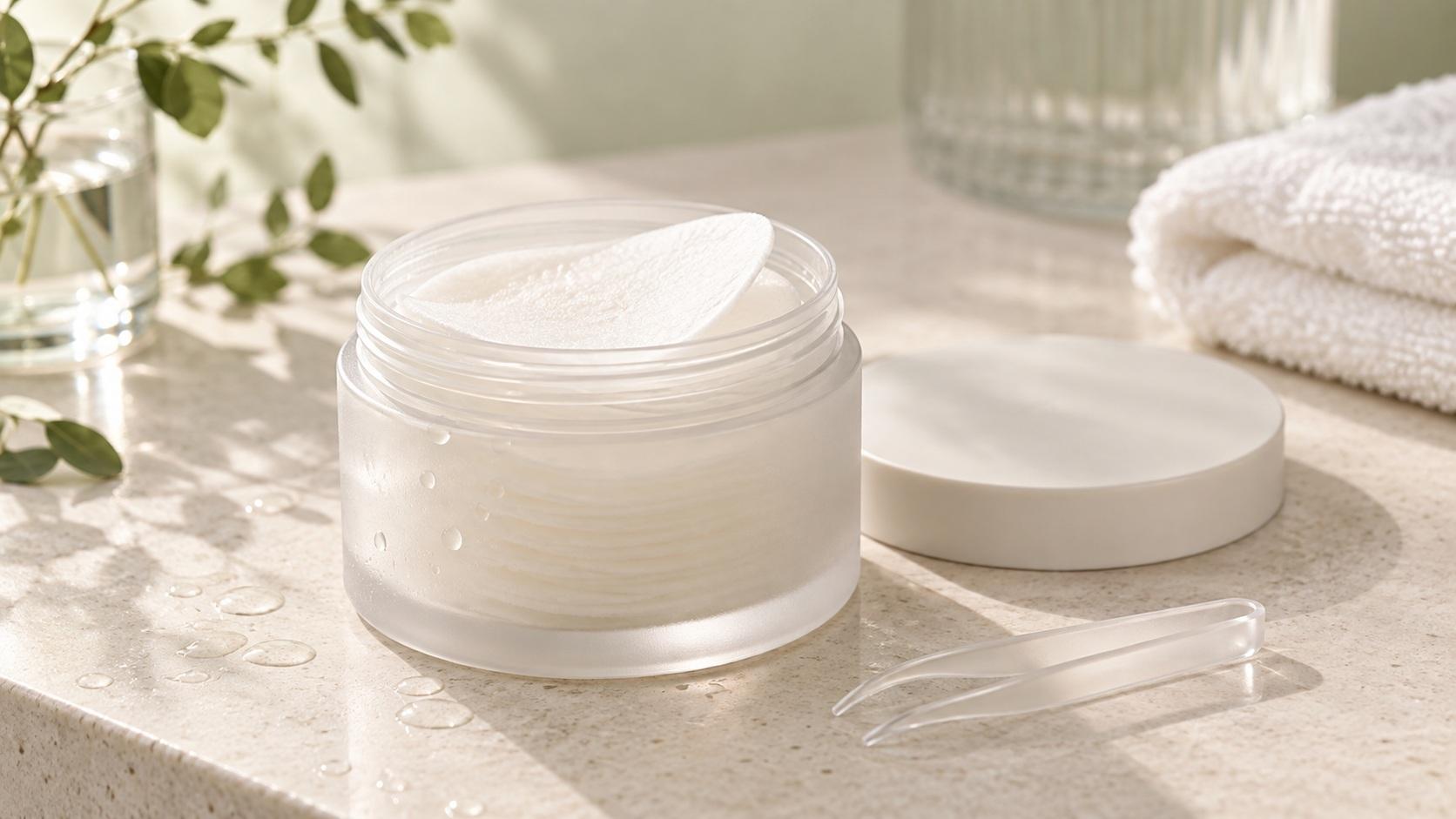
What Do Toner Pads Do? A Guide to This K-Beauty Staple
Toner pads are pre-soaked pads whose effects depend on the formula and how they are used. Learn how hydrating, calming and exfoliating Korean toner pads differ, where they fit in a routine, and how to use them without unnecessary friction.
Skincare-Infused Makeup: The K-Beauty Trend Blurring the Line Between Skincare and Makeup
Foundations, cushions and lip tints now carry the same actives as serums. Skincare infused makeup is what the category is called, and this is why the line keeps moving: what skinification means, why PDRN turned up in a tinted moisturizer this year, and what K-beauty worked out back in 2008.
Korean Skincare for Rosacea: Why Fewer Steps May Work Better
Rosacea-prone skin is easily irritated, so a shorter routine may reduce exposure to potential triggers. Learn how to build a gentle three-step Korean skin care routine, read labels, and test one product at a time.
Skin Barrier Repair: How Korean Skincare Got Simpler
In South Korea, skin barrier repair is not a marketing phrase. It is a legal category. Since August 2020, the enforcement rule of Korea's Cosmetics Act has listed, among eleven classes of functional cosmetics (기능성화장품, gineungseong hwajangpum), products that help improve itching by restoring the function of the skin barrier. The rule even defines the barrier for you: the epidermis of the stratum corneum, the outermost layer of skin. A brand that wants to print that claim has to file safety and efficacy data with the Ministry of Food and Drug Safety first.
Vegan Skincare, Explained: Why Korea's Most Obsessive Ingredient-Readers Are Switching to Plant-Based Formulas
Green tea, centella and mugwort. The botanicals that anchor most Korean vegan formulas were never animal-derived to begin with.
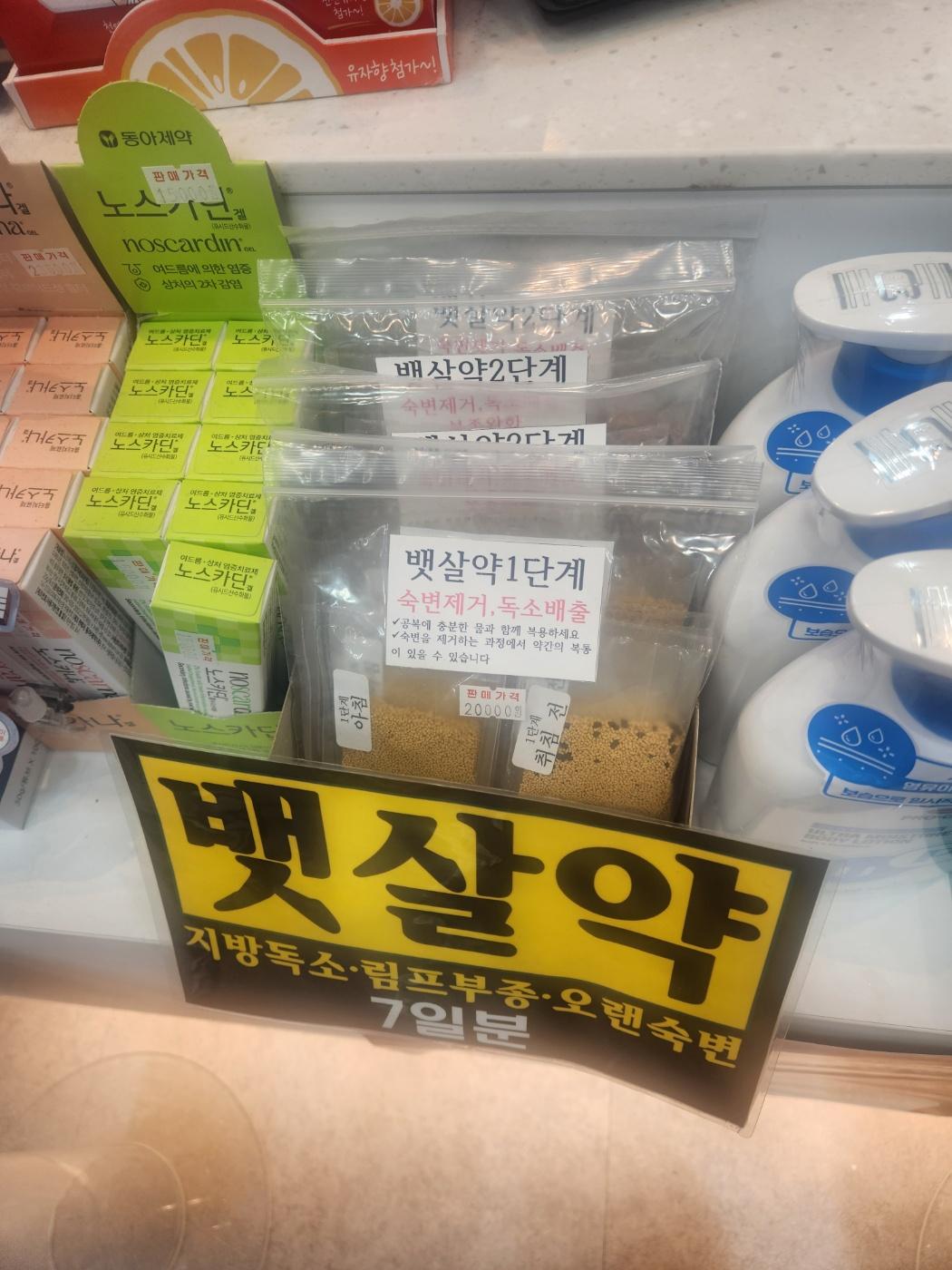
I Walked Into a Korean Pharmacy and It Tried to Sell Me "Belly Fat Pills"
Walking into a Korean pharmacy as a first-timer is a small culture shock. Not the bad kind. The kind where you stand in front of a shelf for a full minute trying to decide if you're looking at medicine, a snack, or a marketing experiment. And then you spot the yellow sign. "뱃살약." Belly fat pills. Seven-day course. Step 1 and Step 2 in two cute little zip-packs, like a starter kit for a video game where the boss is your own waistline.If you've ever wondered why Korean wellness culture has taken over your TikTok feed, this shelf is part of the answer. Korea is the country that turned skincare into a 10-step ritual, so it makes sense that the body would get the same treatment. Detox is not a niche idea here. It is shelf space. Quite a lot of it.
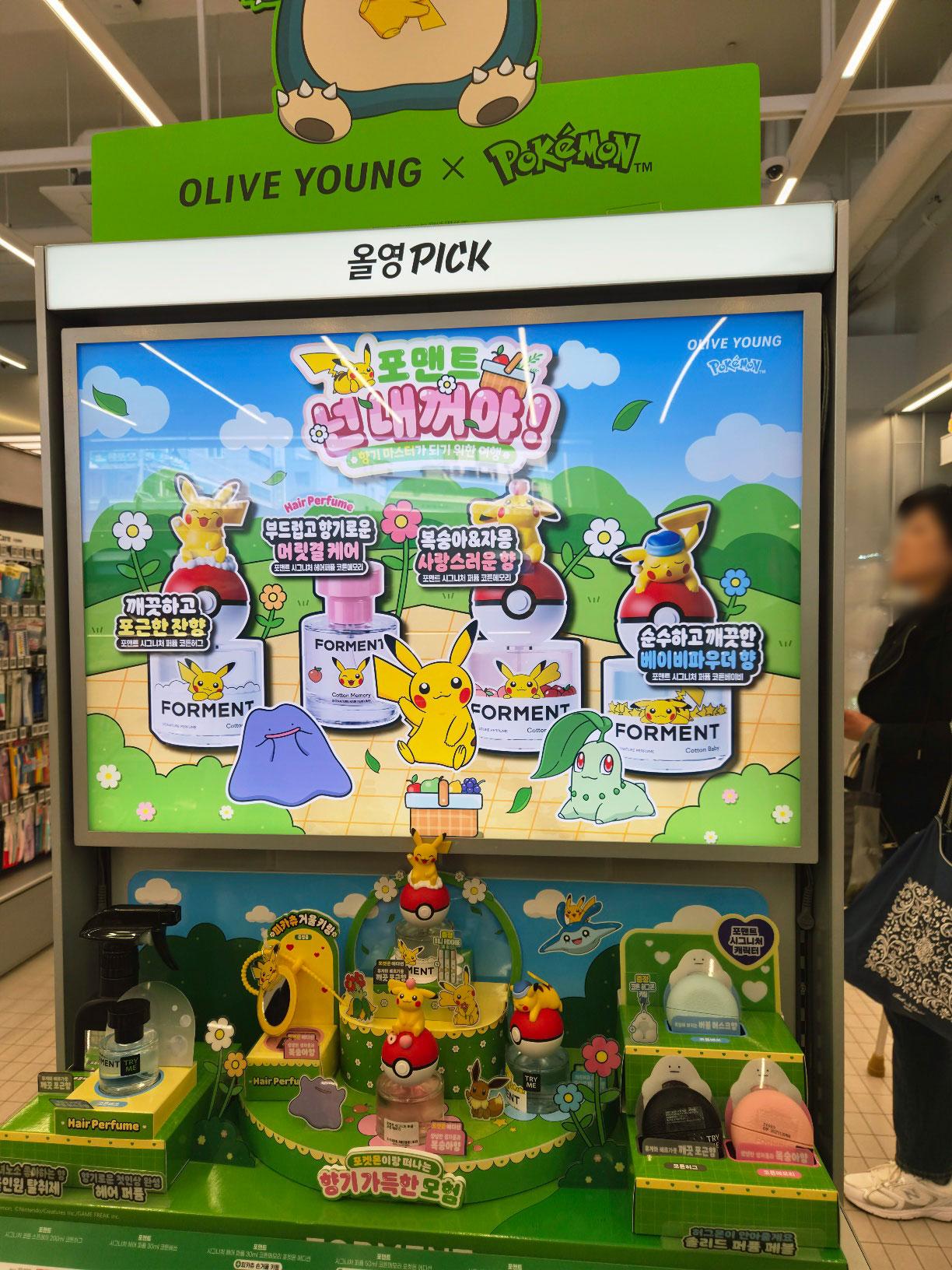
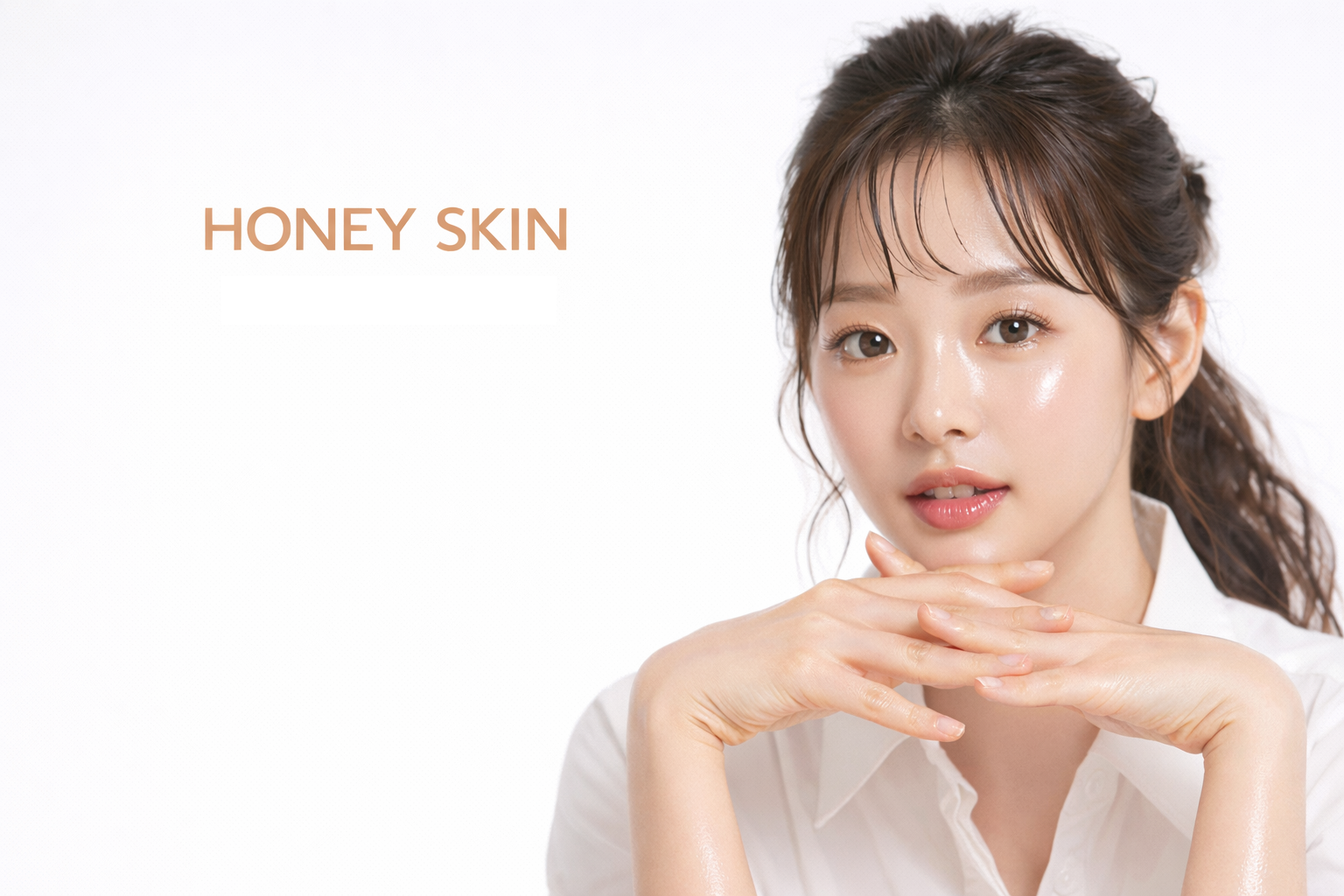
Glass Skin, Honey Skin, Cloudless Skin: How Korea Keeps Inventing New Beauty Ideals
The Language of Korean Skin Aesthetics and Why the World Keeps Borrowing It
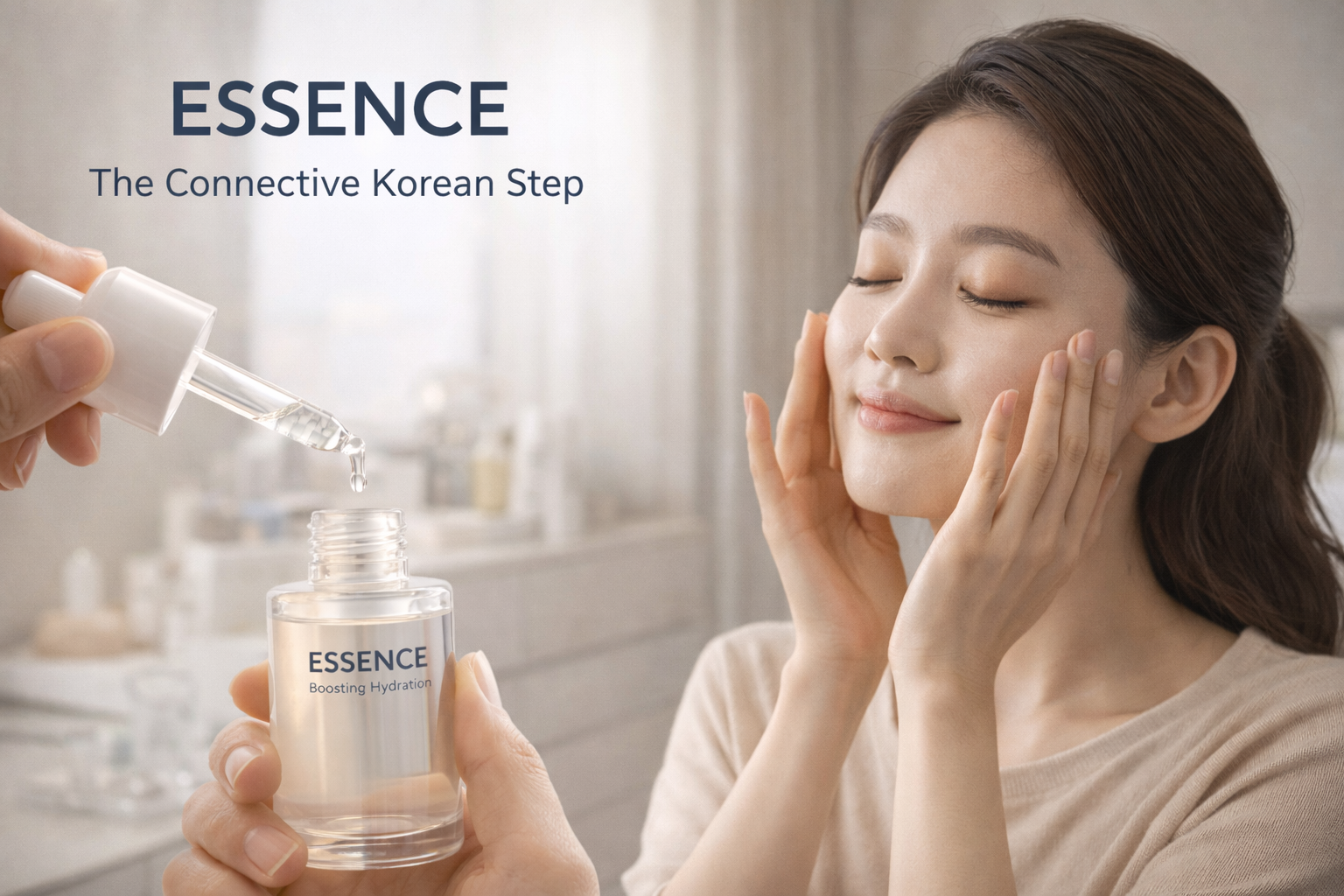
Essence, Serum, Ampoule: Why Korean Skincare Has So Many Names for "Treatment"
The Art of Layering — and Why Each Step Earns Its Place
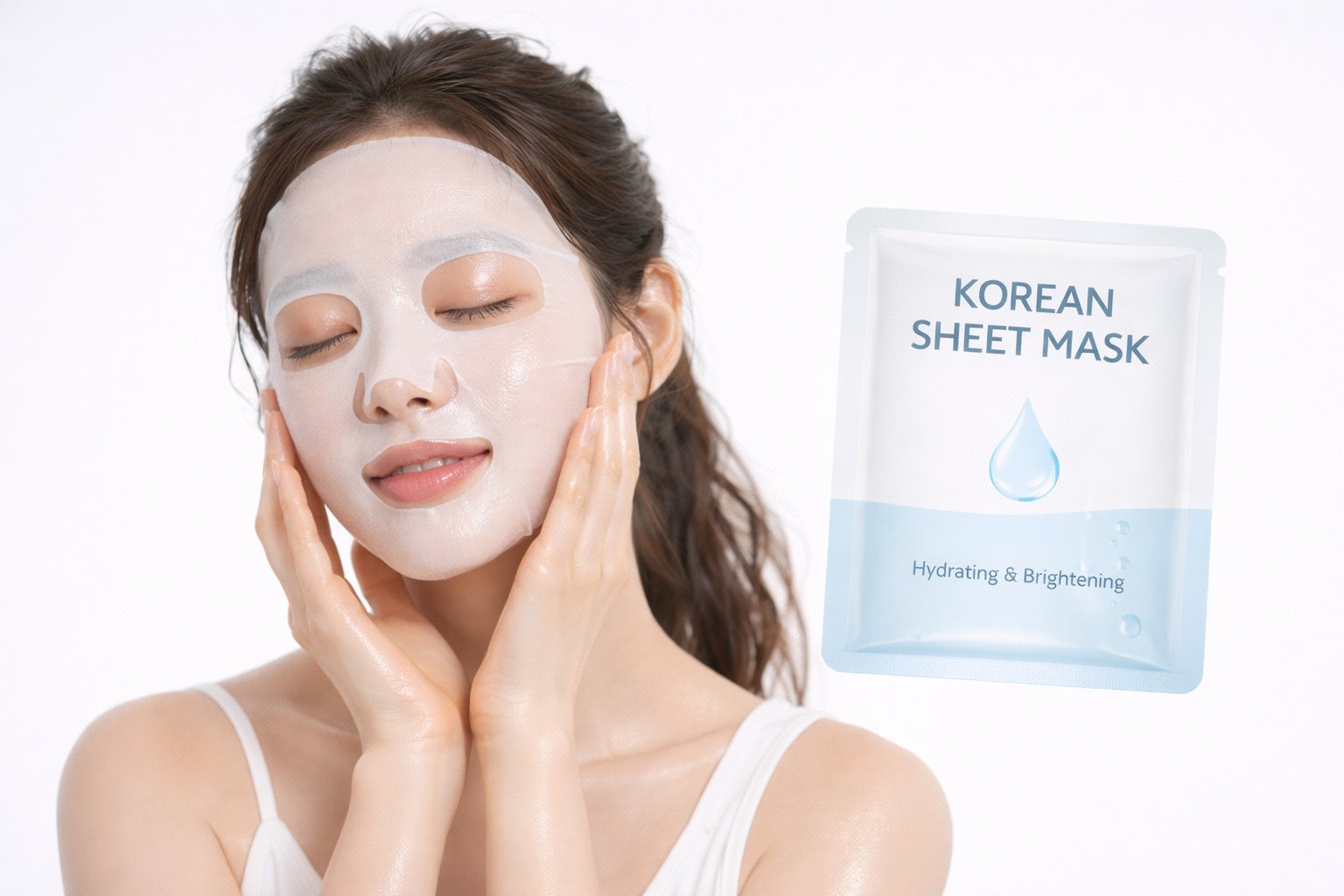
Sheet Masks: How a Simple Piece of Fabric Became a Global Beauty Ritual
From Korean Convenience Stores to Self-Care Symbols Worldwide


